
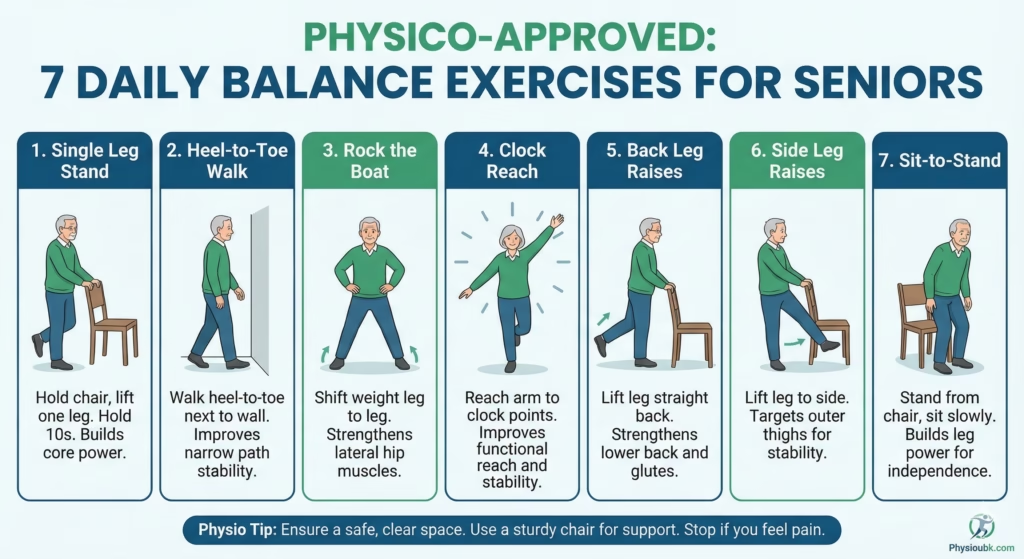
Balance exercises for seniors to prevent falls are vital for safety. These moves build leg strength. They also sharpen the brain’s focus. Regular practice keeps older adults upright. It prevents trips on rugs or stairs. Seniors feel much more confident every day.
Why Seniors Experience Increased Fall Risks
Falls often happen because of weak muscles. Aging affects the inner ear and vision. These systems help the body stay steady. When they fail, balance becomes poor. Seniors may feel dizzy or unstable. High floors and loose rugs cause trips. Balance exercises for seniors to prevent falls solve this. They retrain the body to react fast. This keeps everyone safe and mobile. Strong muscles are the anchor for great balance. If you find these moves difficult, start with my guide, Strength Training for Seniors Without Weights, to build your foundation.
The Role of Leg Strength in Stability
Strong legs act like a sturdy base. They support the entire upper body. Weak thighs often lead to sudden wobbles. Muscles must be firm to hold weight. Seniors need power in their calves, too. This power helps them step over obstacles. Daily drills build these vital muscles. Stable legs reduce the chance of slipping. Strong bodies stay upright much longer.
Understanding Proprioception in the Aging Body
Proprioception is the body’s internal GPS. It tells the brain where the feet are. Proprioception exercises for elderly adults improve this sense. Seniors often lose this skill over time. They might trip on flat ground. Training helps nerves communicate with muscles. It creates a very smooth walking gait. It prevents many common household accidents. Proper training moves feel natural again.
How to Improve Balance for Seniors Over 70
Seniors can improve balance by moving daily. They should focus on slow, controlled drills. Using a chair for support is smart. It prevents falls during the training. Beginners should start with simple standing. They can gradually move to more challenging tasks. Progress takes time but brings excellent results. Consistency is the secret to success here. Steady effort builds a powerful body.
Creating a Safe Home Exercise Space
A safe space prevents unnecessary injuries. Seniors need a flat, clear floor. Remove all loose rugs and cords. Keep a sturdy chair nearby always. Bright lights improve depth perception. Good vision is part of an outstanding balance. Ensure the room is not too cold. Cold muscles can feel very stiff. A clear area makes training much easier. Safety starts before the first move.
The Benefits of a Daily Balance Routine for Seniors at Home
A daily balance routine for seniors at home saves lives. It fits into a regular morning schedule. Seniors do not need to travel. They can stay in their own space. It builds a very healthy habit. Routine makes the body much more reliable. It improves coordination in a few weeks. Home practice is private and very comfortable. Most people stick to home plans longer.
Exercise One: The Single Leg Stand
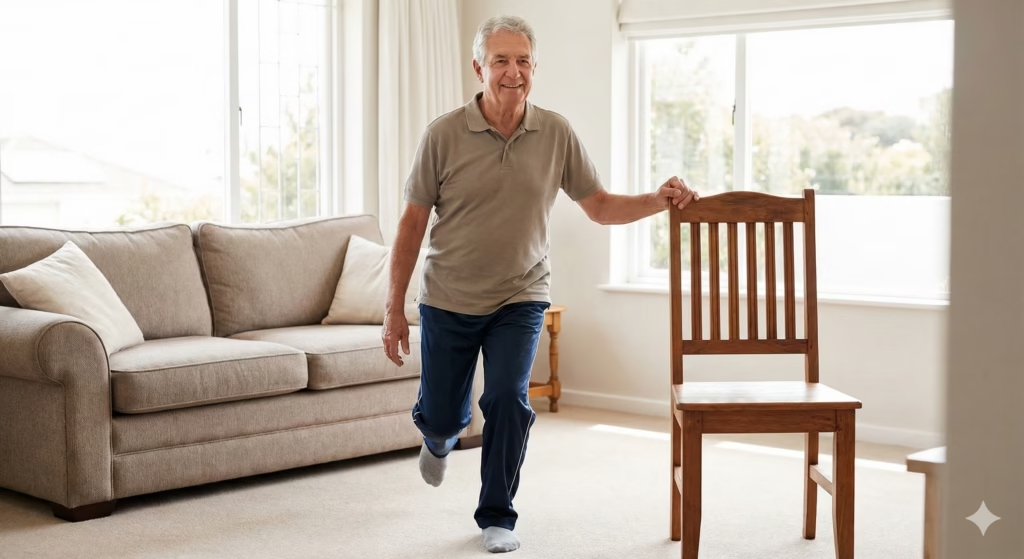
The single-leg stand builds core power. It forces one leg to hold weight. Seniors should have a sturdy chair. Lift one foot off the floor. Keep the standing knee slightly bent. Hold this pose for ten seconds. Switch to the other leg slowly. This drill mimics a walking step. It is a core part of safety.
Proper Alignment for Single Leg Stands
Keep the head up and eyes forward. Do not look down at your feet. This helps the inner ear stay level. Engage the stomach muscles for extra support. Keep the shoulders back and very relaxed. Breathe slowly during the entire hold. Proper form prevents back strain. It ensures the leg works hard.
How to Progress This Move Safely
Start by holding with both hands. Later, use only one hand. Eventually, try using just one finger. The goal is no hands at all. Only do this if you feel very steady. Always hover the hands near the chair. This keeps a safety net ready. Progress should never feel very scary.
Exercise Two: The Heel-to-Toe Walk
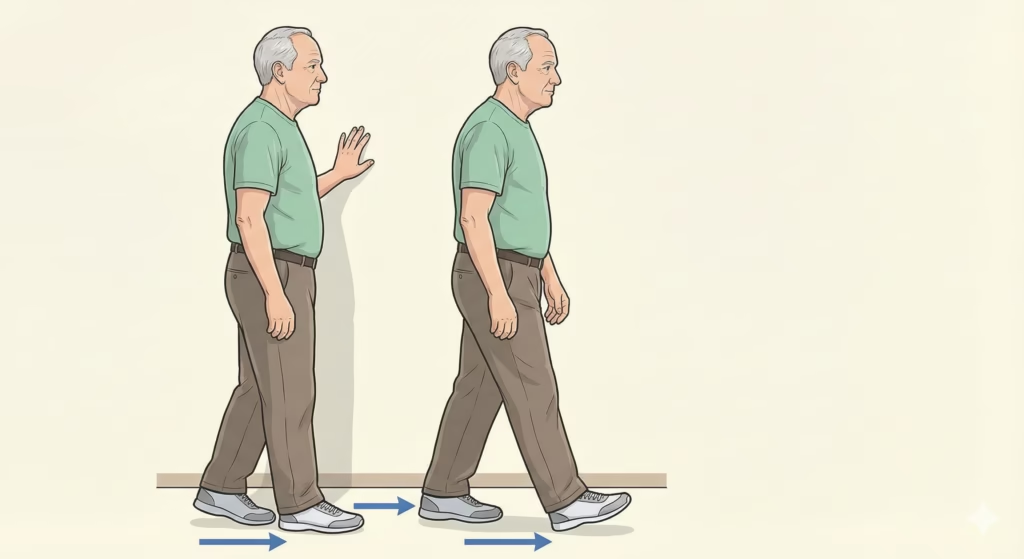
Heel-to-toe walking improves narrow path stability. It mimics walking through tight spaces. Place one heel against the opposite toes. Take a small step forward slowly. Keep the feet in a straight line. Look ahead at a fixed point. This trains the brain for precision. It is a top balance drill.
Using a Wall for Extra Support
Perform this walk next to a wall. Use the wall for light touches. It prevents tipping to the side. It builds confidence in newer walkers. Keep the steps short and very controlled. Do not rush the forward motion. Speed often leads to poor foot form. Slow steps build the best muscle memory.
Coordination Tips for Better Results
Swing the arms gently for natural rhythm. Keep the core muscles tight and firm. Focus on a spot on the wall. This keeps the head perfectly still. Smooth motion is better than long steps. Try to do ten steps total. Repeat this three times every morning. It sharpens the mind and body.
Exercise Three: The Rock the Boat Move
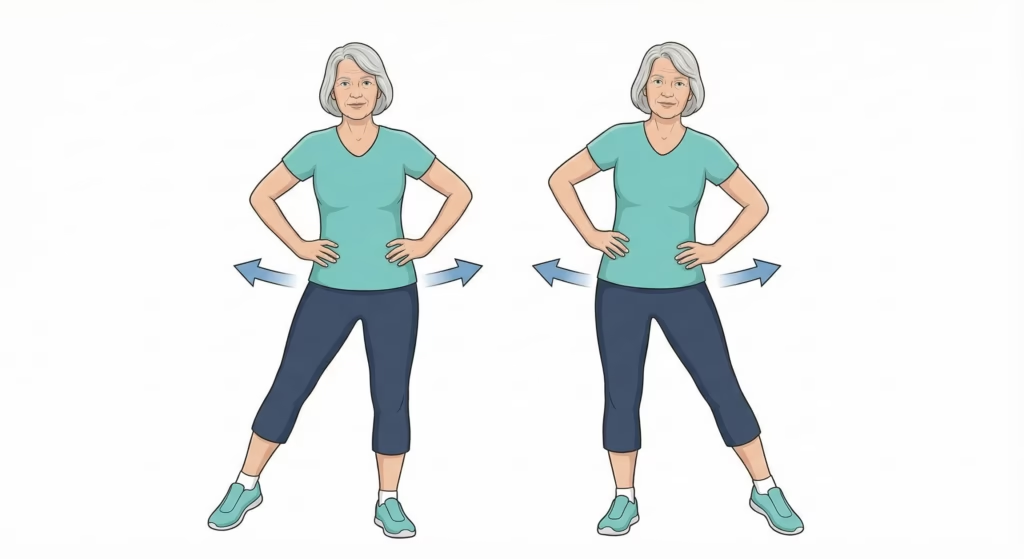
Rocking the boat builds lateral stability. It helps with side-to-side motion. Stand with feet wide apart. Transfer weight to the right leg. Lift the left foot slightly up. Hold for five seconds, then switch. This strengthens the outer hip muscles. Hips are vital for staying upright.
Strengthening the Lateral Hip Muscles
The side glutes control leg position. They prevent the knees from caving. Weak hips cause a swaying walk. Rocking the boat fixes this issue. It creates a solid pelvic base. Seniors move better in crowds now. They can dodge obstacles with ease. Hip power is a true lifesaver.
Maintaining Proper Weight Distribution
Keep the weight on the whole foot. Do not lean on the toes. Feel the heel stay grounded always. This ensures the best joint safety. Avoid leaning the torso too far. Keep the spine tall and straight. This uses the legs for the work. It protects the lower back area.
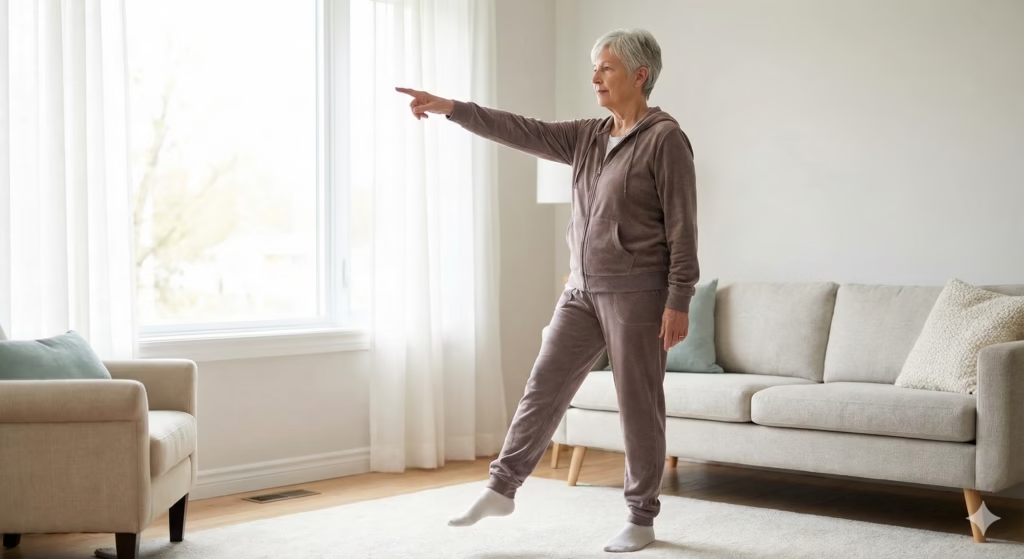
Exercise Four: The Clock Reach Drill
The clock reaches, improves reach, and extends range. It helps seniors grab items safely. Stand inside an imaginary clock face. Reach one arm to twelve o’clock. Move the same leg to three. Then move it back to six. This forces the body to stabilize. It combines reaching with standing balance.
Functional Movements for Daily Living
Seniors reach for high shelves often. They also bend to pick up things. The clock reaches the body. It mimics real-life kitchen tasks. Training these moves prevents over-stretching. It keeps the center of gravity stable. This reduces the risk of falling. Functional drills are very high value.
Improving Center of Gravity Control
Keep the standing leg very firm. Only move the reaching limb slowly. Control the motion from the core. Do not let the body tilt. This teaches the brain about limits. Knowing your limits prevents many falls. Stay within a safe comfort zone. Expand the reach very slowly over time.
Exercise Five: Back Leg Raises
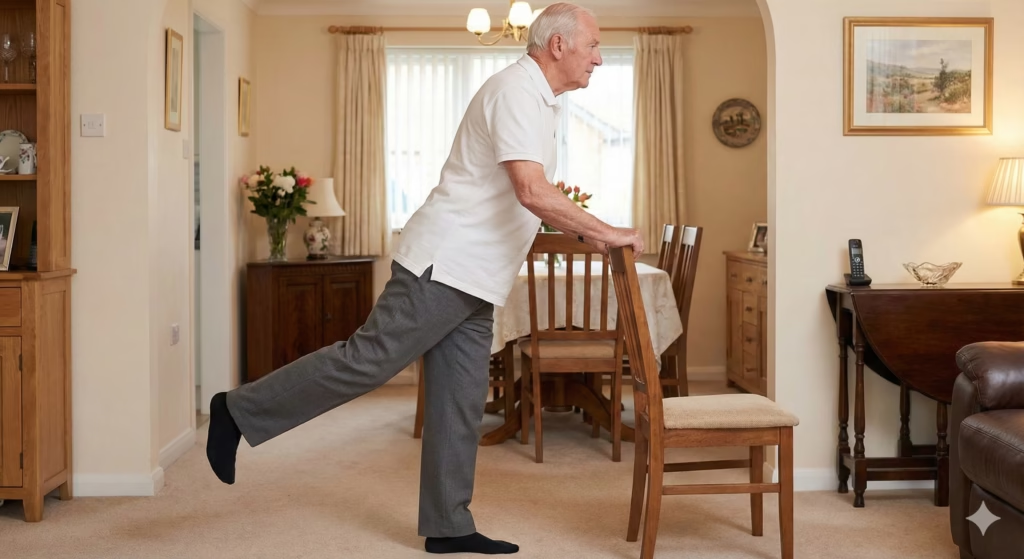
Back leg raises strengthen the lower back. It also builds the glute muscles. Hold onto a chair for balance. Lift one leg straight back slowly. Do not bend the knee joint. Hold for three seconds, then lower. It improves the posture for walking. It prevents a forward-leaning gait.
Enhancing Posterior Chain Strength
The back of the body is vital. It keeps the spine very upright. Weak back muscles cause slouching. Slouching shifts the center of gravity. This makes falls much more likely. Back raises fix this common problem. They create a tall and proud walk. This improves breathing and balance.
Preventing Lower Back Strain
Do not arch the back upward. Only move the leg at the hip. Keep the torso perfectly still, always. If the back hurts, stop moving. Lift the leg only a few inches. Small moves still build incredible strength. Quality is better than high lifts. Safety is the most crucial part.
Exercise Six: Side Leg Raises
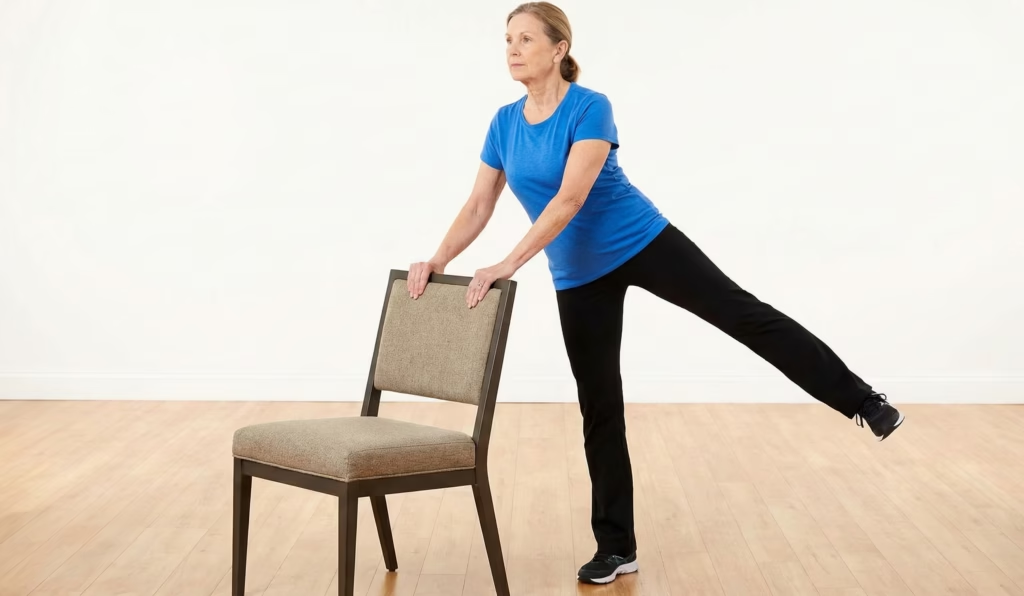
Side leg raises target the outer thighs. There are no equipment balance training moves for seniors. Stand tall behind a sturdy chair. Lift one leg to the side. Keep the toes pointing forward always. Do not let the foot turn. This builds the muscles for stairs. It makes stepping sideways much safer.
Building Ankle and Hip Synergy
The hip and ankle work together. They stabilize the leg during steps. Side raises train this vital link. They make the ankle more reactive. It helps seniors catch their balance. If they trip, they stay up. This is the goal of training. Reactive muscles prevent serious injuries.
Slow Motion for Maximum Control
Count to three while lifting. Count to three while lowering down. Avoid using any sudden momentum. Muscles must do all the work. This builds the densest fibers. It also protects the hip joint. Slow moves are much more complex to do. They bring the best health gains.
Exercise Seven: The Sit-to-Stand Balance Drill
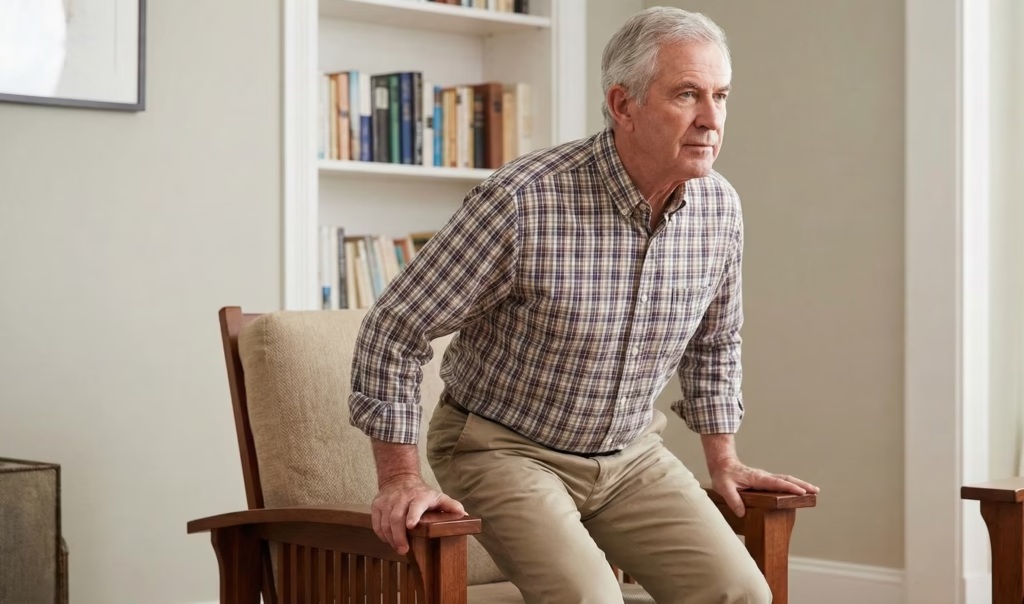
The sit-to-stand builds raw leg power. It is a physiotherapy balance exercise for senior safety staples. Sit on the edge of chairs. Place your feet flat on the floor. Stand up without using your hands. Sit back down with total control. This move prevents leg weakness. It is the best functional drill.
Increasing Functional Independence
Standing up is a daily necessity. Seniors do this many times. Strong legs make this task easy. It prevents needing help from others. This builds a sense of pride. Independence starts with strong leg muscles. The sit-to-stand is a perfect tool. Do ten reps twice a day.
Using Your Arms for Counterbalance
Reach arms forward while standing up. This shifts the weight correctly. It prevents falling back into chairs. Keep the weight in the heels. Look straight ahead for the best focus. This protects the neck and back. If hands are needed, use them. Gradually try to use them less.
Physiotherapy Balance Exercises for Senior Safety Focus
Expert physiotherapy balance exercises for senior safety target the vestibular system. This system is in the ear. It tells the brain about motion. Physio drills often include head turns. Turning the head tests your balance. It mimics looking for cars outside. This keeps seniors safe in public. Expert moves bring the best results. Please consult with our Physiotherapist here.
No Equipment Balance Training for Seniors Benefits
The best part is simplicity. No equipment balance training for seniors is free. You only need a chair. You can exercise in any room. This removes all barriers to health. No gym memberships are required here. This makes fitness accessible to everyone. You can start right this minute. Simple moves are often the best.
Balance Exercises for Seniors with Weak Legs Tips
If legs feel soft, start slow. Balance exercises for seniors with weak legs should be easy to perform. Focus on seated moves first. Build some strength, then stand up. Use two chairs for extra safety. Have a friend nearby for help. Weak legs can become strong again. It just takes patience and time. Never give up on your body.
The Importance of Proper Footwear
Shoes are your base of support. Seniors should wear sturdy sneakers. Avoid walking in socks or slippers. These cause many slips and falls. Good shoes have a flat sole. They should fit the foot snugly. Avoid high heels or heavy boots. Proper footwear improves every single move. It keeps the ankles very stable.
How Vision Affects Your Daily Balance
Eyesight helps the brain find level. Seniors should check their vision yearly. Clear sight prevents many trip hazards. Wear prescribed glasses during all exercise. Dim lights make balance much harder. Use bright bulbs in every room. Good vision is a safety tool. It works with muscles to stand.
Why Hydration Matters for Stability
Dehydration causes sudden dizzy spells. Seniors must drink water all day. Dizzy heads lead to quick falls. Keep a water bottle nearby always. Drink before you feel very thirsty. This keeps the brain sharp and clear. It also keeps muscles working well. Water is a key to safety.
Nutritional Support for Stronger Bones
Calcium and Vitamin D are vital. They keep the bones very strong. Strong bones survive falls much better. Eat leafy greens and dairy products. Get some sunlight for Vitamin D. This supports the work of exercise. A good diet builds a fortress. It protects the body from within.
Motivation Tips for Staying Consistent
Find a workout buddy for fun. Music makes the time fly by. Set small goals every single week. Track your progress in a book. Reward yourself for hitting your goals. Consistency is the only way forward. You will feel better very soon. Keep moving for a long life.
Balance exercises for seniors to prevent falls help create a safe, active life. These seven daily moves build the strength and confidence needed to stay independent. Consistent practice ensures a steady future for every senior.
Pingback: Fix Your Posture: 3 Moves to Stop the Senior Slump - physioubk.com