
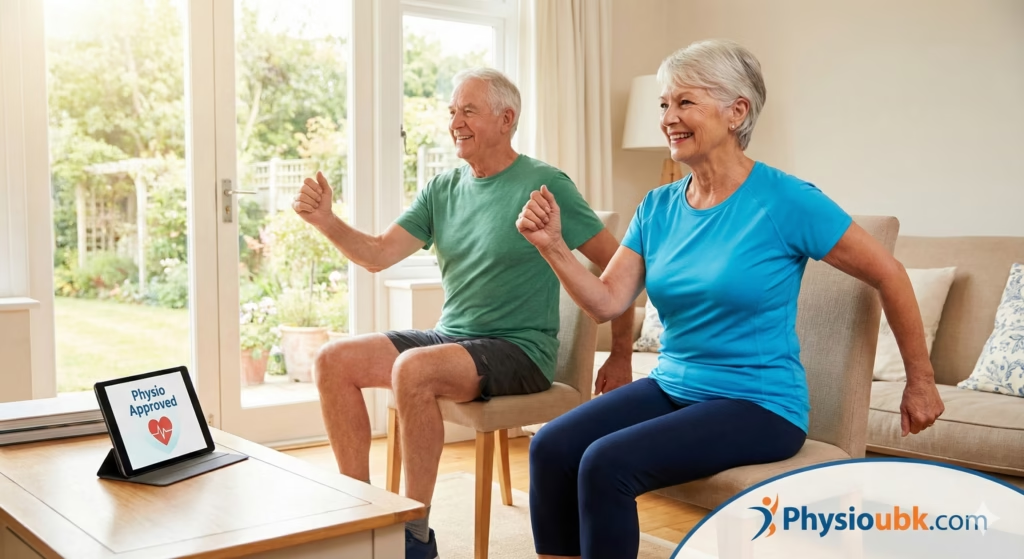
Low-impact cardio with bad knees for seniors is a safe way to boost heart health without pain. This routine uses gentle moves. It avoids all jumping. Seniors can do these at home. Each movement protects fragile joints. The focus is on steady motion. It keeps the heart rate up.
Why Seniors Need Safe Cardio for Aging Joints
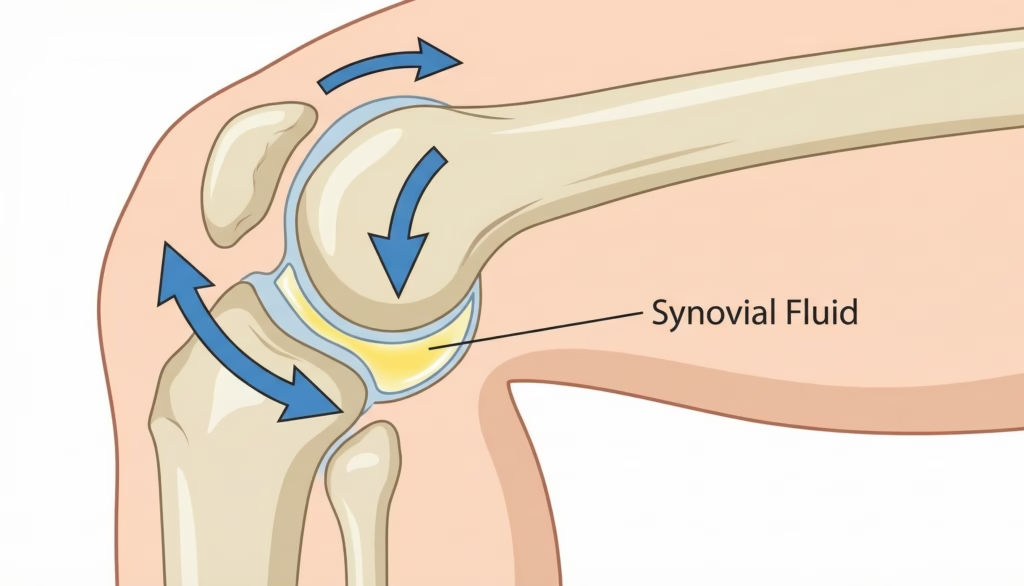
Joints need motion to stay healthy. This movement creates natural lubrication. Experts call this synovial fluid. It acts like oil for gears. Without it, knees become stiff. Pain often starts to increase. Low-impact exercise solves this. It moves joints gently. It does not cause shock. This keeps the heart strong. It also keeps knees happy.
How Aging Affects Knee Cartilage and Health
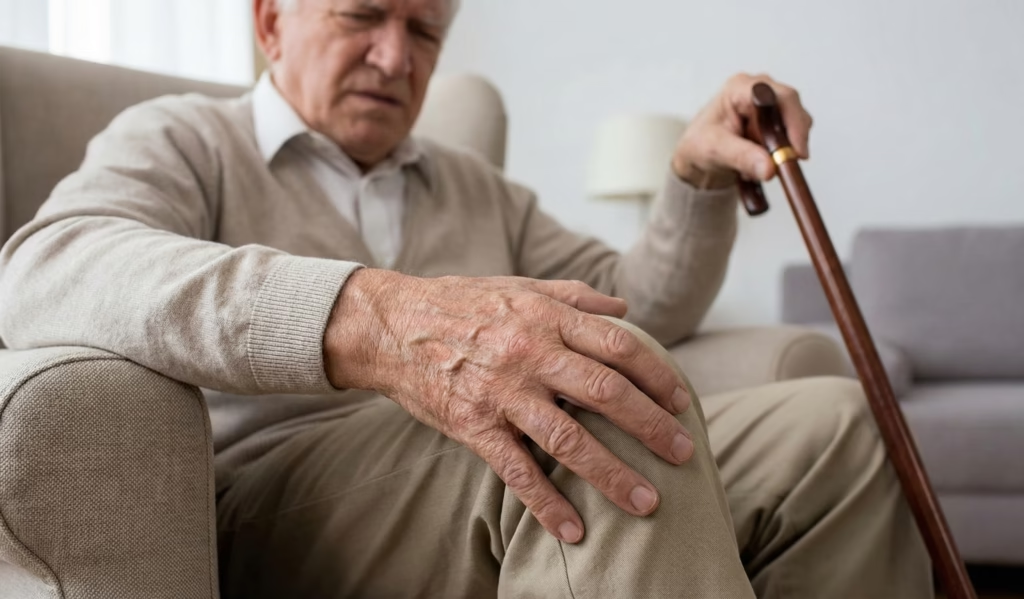
Knee cartilage wears down over time. This process is very normal. Doctors often call this wear. It can lead to osteoarthritis. The space in joints shrinks. This causes bone-on-bone contact. Low-impact cardio helps here. It strengthens muscles around the knees. These muscles act like braces. They take the load off. This reduces daily discomfort.
The Problem with High-Impact Jumping Exercises
Jumping creates a high force. This force hits the knees hard. It can be five times its weight. Seniors should avoid this stress. It leads to sudden injuries. It can tear weak cartilage. No-jump routines remove this risk. They keep one foot down. This stabilizes the whole body. It prevents falls and trips. It is the safest choice.
Improving Heart Health Without Any Pain
Heart health is vital for seniors. It prevents many chronic diseases. You do not need to run. Gentle cardio works just fine. It improves blood flow everywhere. This lowers high blood pressure. It also burns extra calories. The best part is comfort. You can breathe hard. Your knees will not throb. This builds long-term consistency.
Low Impact Cardio for Seniors With Bad Knees Using a No-Jump Home Routine
Low-impact cardio for seniors with bad knees helps people stay active and fit at home. This specific routine avoids jumping. It uses functional movements. These moves mimic daily life. They improve balance and strength. The routine takes fifteen minutes. It requires no special equipment. It is perfect for beginners.
Getting Started with the Seated March Warm-Up
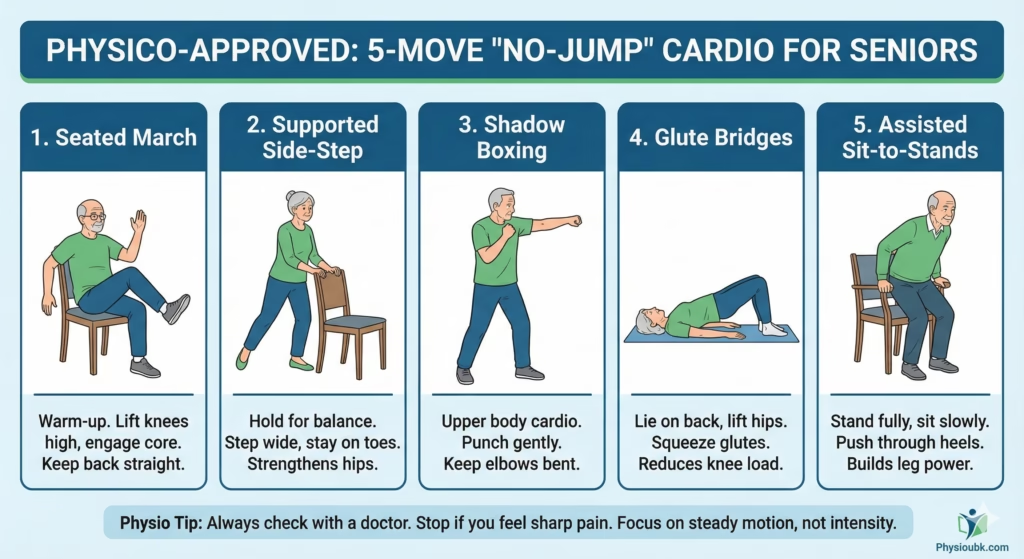
The seated march is easy. It starts every safe workout. Sit on a sturdy chair. Lift your knees one by one. Swing your arms with rhythm. This wakes up the body. It gets blood moving fast. It warms up the hips. It protects the lower back. Do this for two minutes.
Mastering the Supported Side Step for Stability
Side steps build hip strength. This is key for knees. Stand behind a tall chair. Hold the back for balance—step to the right side. Bring the left foot over. Then step to the left. This moves the hip joints. It strengthens side leg muscles. These muscles stabilize the kneecap. It prevents side-to-side wobbling.
Using Shadow Boxing for Upper Body Cardio
Shadow boxing is great fun. It burns many calories quickly. Stand or sit very straight. Punch the air gently. Keep your elbows slightly bent. This moves the upper body. It keeps the legs still. The heart rate climbs fast. No pressure hits the knees. It is a perfect move. It builds arm muscle, too.
Strengthening Legs with Assisted Sit-to-Stands
Sit-to-stands are a core move. They help with daily tasks. Stand in front of the chairs. Slowly sit back down. Then stand up again. Use your hands for help. This works for the large quads. It builds power in the legs. It makes walking much easier. It protects the joint space. Do ten reps slowly.
Proper Form for Sit-to-Stands
Keep your feet shoulder-width apart. Do not let knees cave. Look straight ahead always. Keep your chest up high. Push through your heels. This protects the knee joint. It engages the glute muscles. Slow motion is best here. It builds more muscle fiber.
Common Mistakes to Avoid Regularly
Do not rush the moves. Fast motion causes poor form. This can lead to strain. Never hold your breath. Exhale on the hard part. Keep your back very straight. Avoid leaning too far forward. This puts stress on the knees. Listen to your body constantly.
Finding Relief with the Glute Bridge
Glute bridges help the back. They also support the knees. Lie down on a mat. Keep your knees bent. Lift your hips high. Squeeze your glutes at the top. Lower your hips slowly. This strengthens the posterior chain. It takes weight off the knees. It improves your walking gait.
How Glute Strength Protects Your Knees
Strong glutes are vital. They control the leg bone. This prevents the knee from twisting. It keeps the joints aligned. Most seniors have weak glutes. This causes many knee issues. Bridges fix this weak link. They are safe for everyone.
Variations for Different Fitness Levels
Beginners can keep their feet flat. Advanced users lift one leg. This adds a big challenge. Always keep your core tight. Do not arch your back. Focus on the hip lift. Feel the muscles working hard. This ensures the best results.
Safe Cardio for Arthritic Knees at Home
Safe cardio for arthritic knees focuses on high repetitions and low resistance. This keeps the joints warm. It moves the fluid inside. This reduces morning stiffness. It helps with chronic swelling. Many seniors see great results. They feel less pain daily. They move much more freely. This is the goal.
Best Cardio for Bad Knees Seniors Can Access
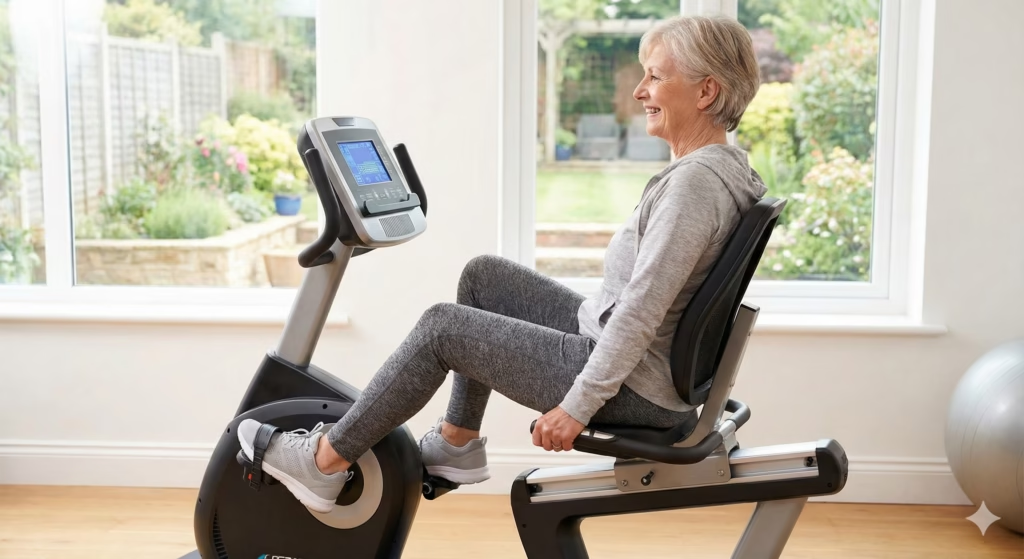
The best cardio for seniors with bad knees includes walking and stationary cycling. These are easy to do. They are very low impact. At-home routines are even better. They save time and money. You do not need gyms. You stay safe at home. This builds a healthy habit. It leads to better longevity.
Knee-Friendly Cardio Workouts for Elderly Beginners
Knee-friendly cardio workouts for older adults must be simple. Simple moves prevent mental fatigue. They are easy to remember. This routine fits that goal. Five moves are enough. They cover the whole body. They focus on knee safety. Any beginner can start today. No fancy gear is needed—just a chair and space.
15 Minute Low Impact Cardio at Home for Seniors Routine
This 15-minute low-impact home cardio for seniors is very efficient. It fits into busy days. It gives a complete workout. Heart health improves very quickly. Muscle tone gets better, too. You can do this daily. It will not cause burnout. It is a sustainable plan. It works for all ages.
Physio Approved Knee Exercises for Seniors in the USA
Using physio-approved knee exercises for seniors ensures your safety. Physical therapists understand joint mechanics. They know how bones move. They design moves for stability. These exercises follow medical rules. They protect your health long-term. This gives you peace of mind. You can trust these moves.
The Role of a Physical Therapist
Therapists identify your weak spots. They help you move better. They reduce your injury risk. Professional advice is always best. These moves match clinic standards. They allow you to recover faster. They keep you active longer. For more expert advice, contact our professional physiotherapist, Dr. Usman Barkat PT, who specializes in senior fitness.
Why USA Seniors Prefer Home Routines
Home workouts are very popular. They offer great private comfort. You choose your own music. You wear what you like. There is no travel time. This makes consistency very easy. Most US seniors love this. It fits their lifestyle well.
No Jump Home Workout for Seniors with Joint Pain Benefits
A no-jump home workout for seniors with joint pain is life-changing. It removes the fear factor. Many seniors fear falling. They fear sudden, sharp pain. This routine is very stable. It keeps you grounded always. It builds your confidence back. You feel strong and safe. Pain begins to fade away.
Creating a Weekly Senior Fitness Schedule
Consistency is the secret sauce. Try doing this thrice weekly. Take rest days between sessions. This allows muscles to heal. It prevents overuse injuries. Walk on your off days. Keep the body moving daily. This creates a fit lifestyle. It keeps the heart young.
Nutrition Tips for Healthy Aging Joints
Eat foods that fight inflammation. Omega-3 fats are a great help. Find them in fatty fish. Eat plenty of colorful greens. They provide vital bone nutrients. Stay hydrated with clean water. This keeps joint fluid thick. It acts like a cushion. Nutrition and exercise work together.
Equipment Options for Enhanced Home Cardio
You do not need equipment. Some tools can help, though. Resistance bands are very cheap. They add a safe challenge. Small dumbbells work for arms. A yoga mat prevents slips. These are small home investments. They make workouts more fun. They help you progress faster.
Monitoring Your Progress and Heart Rate
Check your pulse during exercise. You should feel slightly winded. You should still be talking. This is the safe zone. Avoid getting too out of breath. Use a wearable watch tracker. It shows your heart rate. This keeps you in control. It shows your fitness gains.
Knowing When to See a Doctor
Pain is a clear signal. Do not ignore sharp stings. This might mean an injury. See a doctor for swelling. Consult a pro for instability. Safety must always come first. Most seniors feel great, though. This routine is very gentle. It is made for safety.
Low-impact cardio for seniors with bad knees provides a sustainable path to health. This no-jump routine protects your joints while strengthening your heart and muscles. Consistently performing these five moves will lead to better mobility and less daily pain.