
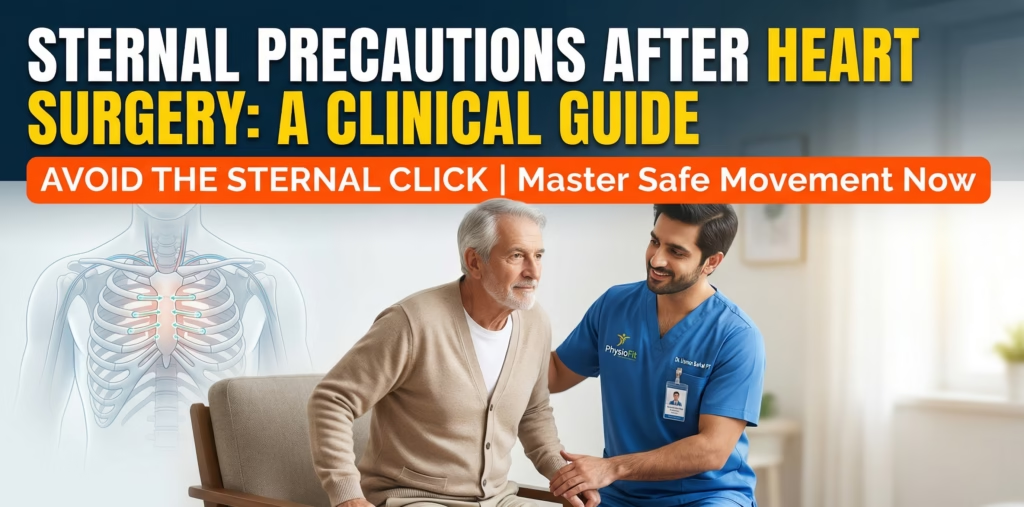
Sternal precautions after heart surgery vital for everyone. One wrong move can damage your healing chest bone easily. Many patients feel stuck and afraid to move daily now. Pain while coughing or standing up creates high anxiety levels. This guide solves your biggest movement fears with clinical steps. Learn how to stay active without risking your surgical site. Protect your recovery and avoid hospital readmission’s this year.
Sternal Precautions After Heart Surgery
Sternal precautions protect the chest bone after heart surgery. Patients must follow these rules for safe healing today. Dr. M Usman Barkat PT leads this clinical guide. He has eight years of clinical physiotherapy experience. He serves as Managing Director and Consultant Physiotherapist at Tariq Medicare Khanewal.
Starting Recovery in the ICU
Recovery begins with Phase I inpatient care immediately. ICU teams watch every movement for total patient safety. Dr. Usman worked at the Multan Institute of Cardiology. He managed complex cardiac rehabilitation cases in the ICU. Early movement prevents blood clots after a major procedure. Follow anti-platelet rules to keep your heart healthy now.
Safe Movements and Sleeping
- Patients often wonder how to sleep safely after open heart surgery. Use the best sleeping positions for sternal stability at night. Keep your back straight and use pillows for support.
- Avoid using arms to stand with sternal precautions now. Pushing off a chair puts too much stress on bone. Instead, use your leg strength to stand up slowly.
- Spot symptoms of sternal click after heart surgery early. A clicking sound will mean the bone is moving. Seek physical therapy for sternal pain in Khanewal or in your city quickly.
Daily Living and Hygiene
- Follow showering instructions for sternal precaution patients very carefully.
- Do not scrub the chest incision site directly with soap. Learn dressing yourself safely with sternal precautions from an expert.
- Wear loose shirts that button up the front easily. Sternal precautions for geriatric heart patients require special equipment.
- Caregivers help provide essential postoperative sternal care for seniors. This support ensures a safe home environment for every patient.
Breathing and Energy Management
- Incentive spirometry helps expand lungs after your heart procedure. Using an incentive spirometer at home requires you to take slow, deep breaths through a handheld device. This helps strengthen your lungs. Do this exercise typically 10–20 times per waking hour, often after surgery. Sit upright, seal lips around the mouthpiece, and inhale deeply to raise the piston, holding for 3–5 seconds before exhaling.
- Practice diaphragmatic breathing to lower your heart rate today.
- The Borg RPE scale helps track your exercise intensity.
- Metabolic Equivalent of Task (METs) help measure energy used during daily activities. with 1 MET representing resting energy expenditure (
 of oxygen per kg/min). They help classify activity intensity: light (<3 METs), moderate (3-6 METs), and vigorous (>6 METs). Common targets include 500+ MET-minutes per week for improved health.
 - Patients must know lifting weight limits with sternal precautions. Never lift objects heavier than five pounds for six weeks.
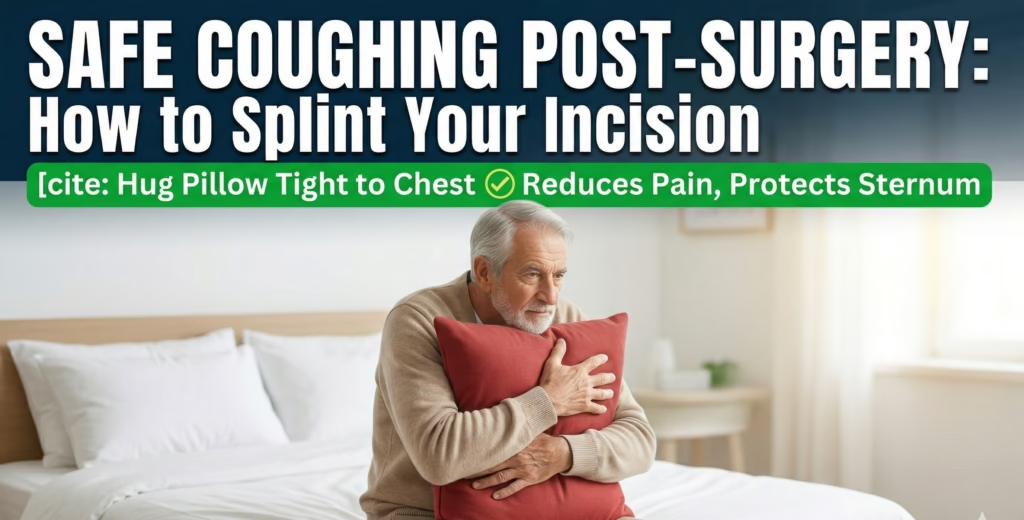
- Learn how to cough safely after sternal surgery using pillows. Hug a pillow tight to your chest before you cough. It reduces pain and protect sternum.
Timeline for Return to Activity
Many ask how long do sternal precautions last usually. Most doctors recommend observing these rules for eight weeks. The driving a car after sternal surgery timeline is important. Wait at least six weeks before getting behind the wheel. Always follow the exercises to avoid during sternal precautions.
Tariq Medicare Khanewal offers expert post-operative sternal care. Dr. Usman provides personalized physical therapy exercises at home. Visit physioubk.com for more life-saving heart health tips.
For online consultation, click here.

Tech Neck: 5 Desk Habits That Hurt Your Neck
Your head weighs about 5 kg. Tilt it forward 60 degrees to look at your…
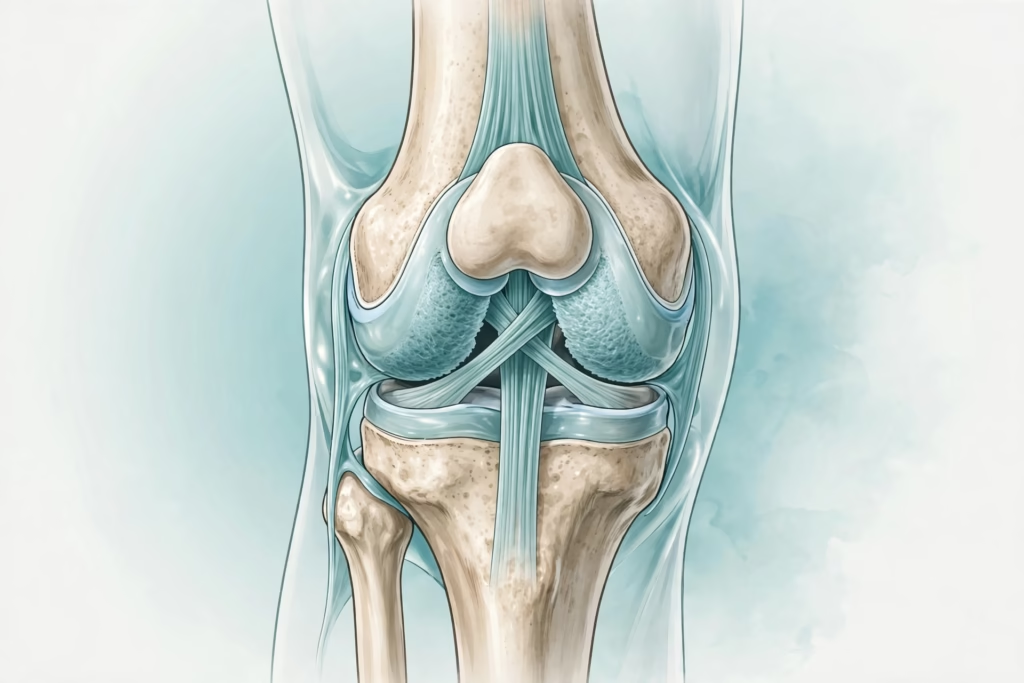
Knee Pain Treatment in Khanewal: Walk, Climb, and Squat Without Fear
A few weeks ago a schoolteacher in her early fifties walked into my clinic and…

How to Choose the Right Pillow for Neck Pain
“Best pillow for neck pain” is one of the fastest-rising health searches in Pakistan —…

The Best Sleeping Positions for Sciatica Pain
There’s a special cruelty to sciatica at night. The day was manageable — then you…

Sciatica or Piriformis Syndrome? How to Tell the Difference
“Doctor sahab, mujhe sciatica hai” — I hear this almost daily. But here’s the thing:…
Kamar Dard Ka Ilaj: When Home Remedies Aren’t Enough
Kamar dard Pakistan mein itna aam hai ke taqreeban har ghar mein koi na koi…