
Macro Calculator for Women
Most macro advice is written for 90-kilo men. This calculator starts from female physiology: the Mifflin-St Jeor equation with the women’s constant, protein targets that protect muscle and bone through every life stage, and splits matched to your goal. Built by a physiotherapist, with the formula shown.
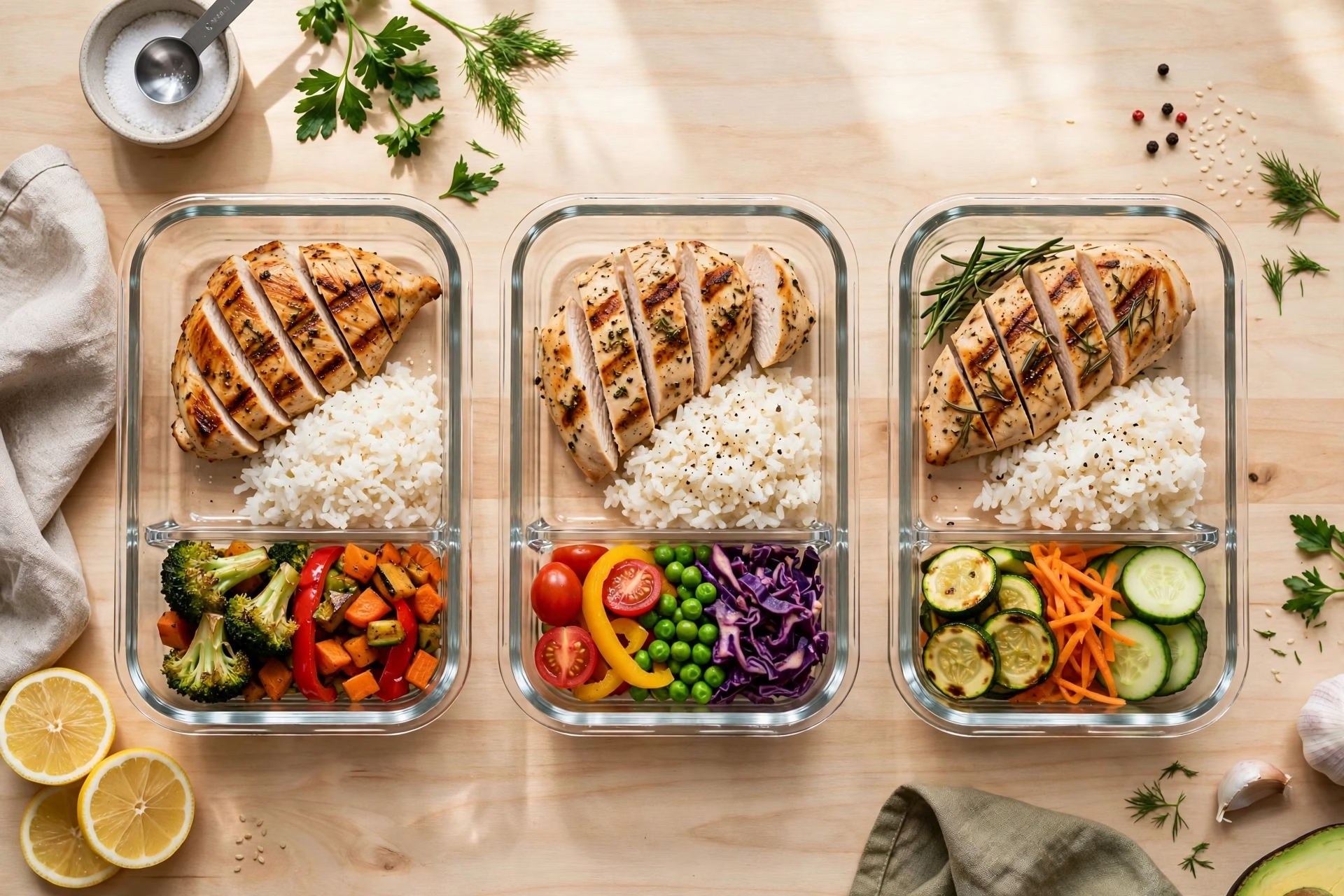
Your results
Protein-first split from the Mifflin-St Jeor equation, a commonly used and validated estimation formula.
Your daily macro split
| Per meal (4 meals/day) | Target |
|---|---|
| Proteinthe anchor of every meal | |
| Carbohydratesmostly around training | |
| Fatspread through the day |
⚠ This target is very low. Dropping below roughly 1,200 kcal/day (women) or 1,500 kcal/day (men) without medical supervision risks muscle loss and slower healing. Pick maintenance or talk to us first.
How this macro calculator works
Most macro calculators hide their math behind a button. This one shows it, because a number you cannot check is a number you should not trust. The calculation runs in three steps, all on this page:
Protein is set first
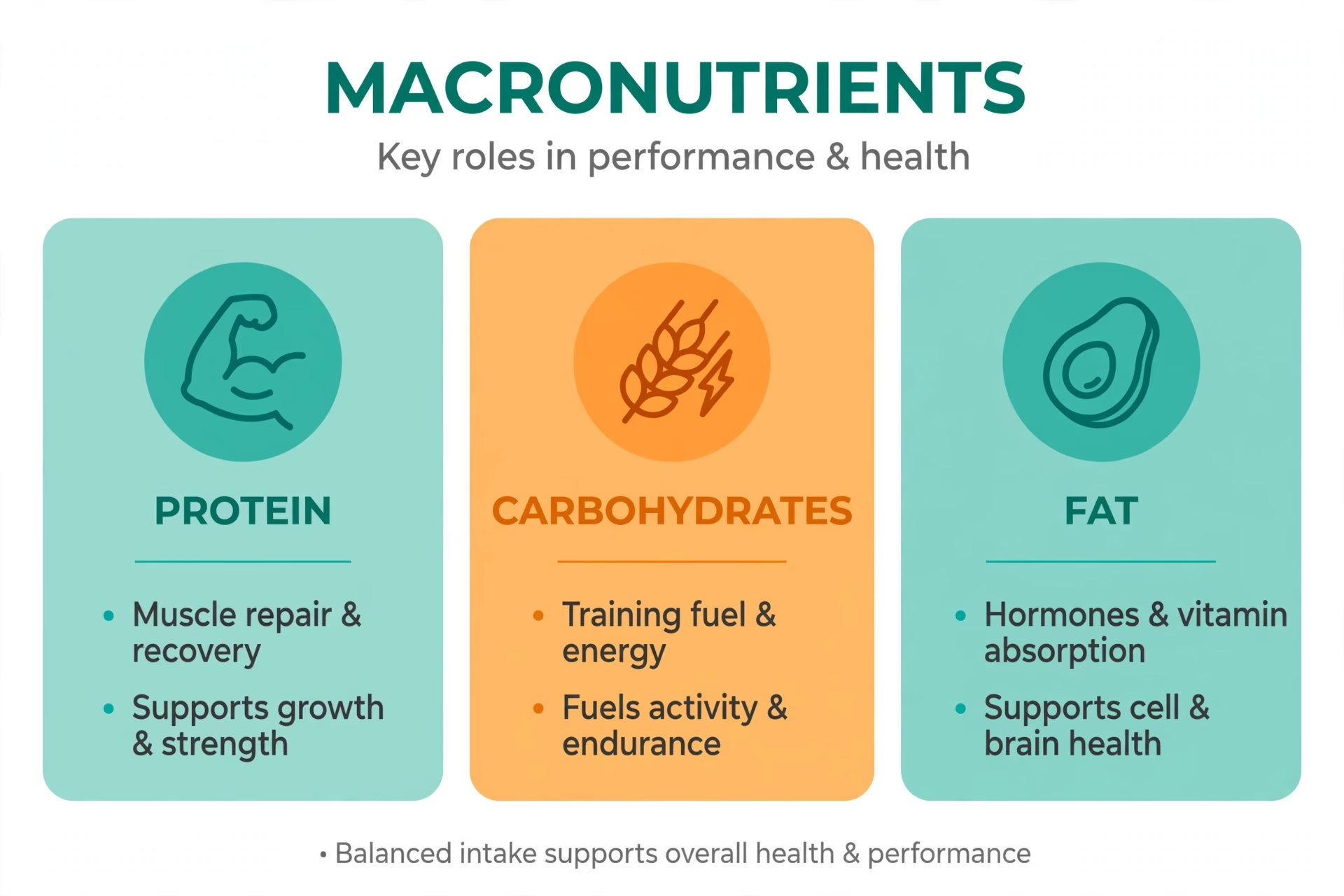
Protein gets fixed from your body weight before anything else, because it is the macro that protects muscle and rebuilds tissue. Everything else is built around it.
Fat takes its share
About a quarter of your calories go to fat, enough for hormones and vitamin absorption yet never so low that adherence collapses.
Carbs fill the gap
Whatever calories remain become carbohydrates: your training fuel. Active people end up with plenty; sedentary dieters end up with less. That is the system working.
The protein problem most women have
Here is the pattern I see in the clinic every week. A woman comes in with knee pain, a stress fracture, or back pain that will not settle, and when we talk food, protein is nowhere. Breakfast is tea and toast. Lunch is whatever the children left. Dinner is the only real meal. Daily protein lands near 40 or 50 grams, roughly half of what her body needs to maintain muscle and bone.
This is not a willpower story. Diet culture spent decades telling women to eat less of everything, appetites run smaller, and protein is the least convenient macro to add. But the research is unambiguous: active women do best at 1.6 to 2.0 grams per kilogram daily, and women over 40 or in a calorie deficit should treat the higher end as the target, not the ceiling. That is why this calculator sets protein first, from body weight, before anything else.
Protein across life stages: the bone-health angle
Protein needs are not static across a woman’s life. In the active years, 1.6 g/kg covers training and recovery. Around perimenopause, falling estrogen accelerates two things at once: muscle loss and bone thinning. This is where the physio angle matters. Muscle keeps joints stable and backs supported; bone density keeps a stumble from becoming a fracture.
After menopause, treat 1.8 to 2.0 g/kg as your baseline and pair it with resistance training twice a week. The combination is the strongest known defense against osteoporosis and the stress fractures I see far too often in women who were told to just walk more. Walking is excellent. Walking plus protein plus two strength sessions is better medicine than walking alone.
Iron and calcium, briefly
Food first. Menstruating women lose iron monthly, so red meat, lentils and leafy greens earn their place; pair plant iron with vitamin C for absorption. Calcium needs run near 1,000 mg daily, 1,200 after menopause: dairy, fortified foods, sesame seeds and small fish eaten with their bones. No megadoses, no panic, just consistent intake.
Training through your cycle
Hunger rising in the week before your period is not weakness. It is the luteal phase: progesterone up, serotonin wobbling, resting metabolism slightly higher. Fighting it with a strict deficit usually ends in one large binge that erases the week’s progress.
The practical approach: run your normal deficit for three weeks, then eat at maintenance during the luteal week. Keep protein steady, let carbs rise, keep training. The scale may hold for a few days from water retention; it is not fat. One easier week a month is how adherence survives for years, which is the only timeline that matters.
Pregnancy and breastfeeding: put the deficit away
Do not use a fat-loss target while pregnant or breastfeeding. Energy needs rise, not fall: roughly 300 extra kcal in later pregnancy and 300 to 500 while breastfeeding, on top of maintenance, with protein at 1.6 g/kg or higher. This calculator’s deficit settings are not for this season of life. Eat well, rest what you can, and let your clinician or midwife guide the numbers.
Example splits for a 68 kg woman
Same method as the main calculator: protein leads, fat holds near a quarter of calories, carbs flex with the goal.
| Goal | Calories | Protein / Carbs / Fat |
|---|---|---|
| Fat lossTDEE minus 500 kcal | 1,391 | 136 g / 125 g / 39 g |
| Maintenanceeat at TDEE | 1,891 | 109 g / 246 g / 53 g |
| Muscle gainTDEE plus 250 kcal | 2,141 | 122 g / 279 g / 59 g |
For the fat-loss column, 136 grams of protein is about 34 grams across four meals: a palm-and-a-half of chicken, fish, eggs or lentils at each one. Concrete and doable, which is the point.
Macro calculators for specific goals
One formula, different targets. Each calculator below runs the same validated method as this page, tuned to one goal:
Macro Calculator
The standard protein-first split: same trusted math, for fat loss, maintenance or muscle gain.
Macro Calculator for Weight Loss
Higher protein and a steady deficit, built to cut fat while keeping the muscle that protects your joints.
Macro Calculator for Muscle Gain
A lean surplus with protein set for growth, so the weight you add is muscle, not just mass.
Keto Macro Calculator
Carbs capped for ketosis, protein kept moderate, fat filling the rest, with the electrolyte cautions most keto guides skip.
Want your maintenance calories first? Start with our TDEE calculator, then come back here to split them into macros.
Macro calculator for women: frequently asked questions
Do women need different macros than men?
The method is the same; the numbers differ because the BMR equation already accounts for sex. Women typically carry more essential fat and less muscle than men at the same weight, which makes protein per kilogram matter even more. This page runs the women’s Mifflin-St Jeor constant by default.
How much protein do women need after menopause?
Aim for the higher end: 1.8 to 2.0 grams per kilogram daily. Falling estrogen accelerates muscle and bone loss, and protein combined with resistance training is the strongest nutritional defense you have. Spread it across three to four meals so every meal triggers repair.
Will eating more protein make me bulky?
No. Women typically do not have the testosterone profile for rapid bulk, and a bulky look comes from a large calorie surplus, not from protein itself. Protein in a deficit or at maintenance builds the firm, strong shape most women are actually after.
What macros should I use while breastfeeding?
Do not diet while breastfeeding. Eat at maintenance or slightly above, keep protein at 1.6 grams per kilogram or higher, and add roughly 300 to 500 kcal to your pre-pregnancy maintenance. Talk to your clinician or midwife before restricting anything.
How should I handle cravings during my cycle?
Hunger genuinely rises in the luteal phase, the week or two before your period, as progesterone climbs. The approach that works: hold the deficit for three weeks, then eat at maintenance that week, keep protein steady and let carbs rise. One easier week does not erase progress; fighting biology usually ends in a binge.
Do macro needs change with age?
Yes. After about 40, muscle loss and bone thinning accelerate while calorie needs slowly fall, so protein needs rise as calories drop. Stay near 1.8 to 2.0 grams per kilogram, lift weights twice a week, and let the calculator handle the shrinking calorie target.
PhysioUBK Health Tools · Estimates only, not medical advice · physioubk.com