
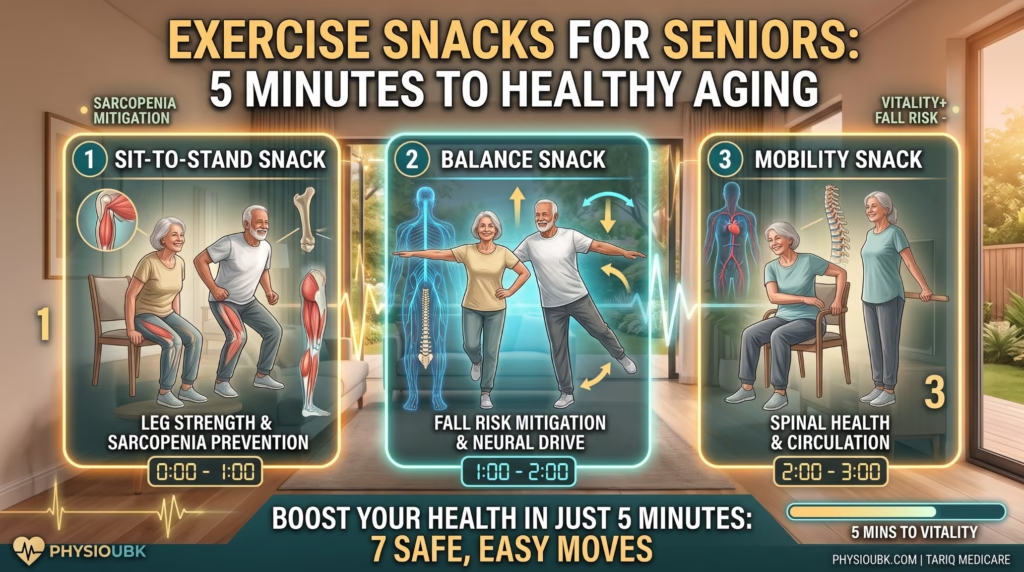
For decades, standard fitness advice has insisted that to achieve real cardiovascular and muscular benefits, you must dedicate at least 30 to 150 minutes of continuous, moderate-intensity exercise to your daily routine. For many older adults, this traditional prescription can feel incredibly daunting. Chronic joint pain, fear of falling, low energy, or simple physical deconditioning can turn a half-hour workout block into a monumental hurdle.
But modern exercise physiology is challenging this old-school paradigm. A growing body of clinical research suggests that breaking up your day with short, bite-sized bursts of physical activity, known in medical literature as “exercise snacks”, can deliver profound health benefits.
Can just five minutes of movement really make a difference? The answer from physical therapy and geriatric medicine is a resounding yes. For seniors, these micro-workouts are not just a convenient alternative to traditional exercise; they are a highly effective, clinically validated strategy to combat sedentary decline, protect physical independence, and promote long-term longevity.
The Clinical Science: What is an “Exercise Snack”?
An “exercise snack” is defined as a brief, isolated bout of physical activity, typically lasting anywhere from 1 to 5 minutes, performed at a light-to-moderate intensity multiple times throughout the day.
To understand why these short bursts are so powerful, we must examine the physiology of prolonged sitting. When we remain sedentary for hours, our bodies experience several negative physiological changes:
- Muscle Hibernation: Large muscle groups, particularly in the lower body, go quiet. This halts the activity of lipoprotein lipase, an enzyme crucial for clearing fats from your bloodstream.
- Insulin Resistance: Inactive muscles stop absorbing glucose efficiently. Without regular contractions, your body relies more heavily on insulin spikes to manage blood sugar levels.
- Circulatory Stagnation: Blood pools in the lower extremities, increasing venous pressure, reducing arterial health, and occasionally causing orthostatic hypotension (dizziness upon standing).
When you perform a five-minute exercise snack, you instantly disrupt this state of stagnation. The brief muscle contractions act as a physical pump, stimulating cellular mechanisms that improve your systemic health.
📈 The Physiological Benefits of Micro-Movement
Research shows that accumulating these five-minute “snacks” throughout the day can yield benefits that rival continuous exercise sessions:
- Improved Glycemic Control: A study published in Medicine & Science in Sports & Exercise demonstrated that taking brief, 2-minute walking breaks every 30 minutes lowered blood sugar spikes after meals by nearly 30% compared to continuous sitting. The muscle contractions trigger a process called GLUT4 translocation, allowing your muscles to pull sugar straight from your blood without relying on insulin.
- Cardiovascular Resilience: Short, brisk physical efforts demand rapid adjustments from your heart and blood vessels. This mild challenge strengthens the cardiorespiratory system, improves arterial elasticity, and helps regulate resting blood pressure.
- Combating Sarcopenia: Sarcopenia, the age-related loss of muscle tissue, accelerates with inactivity. Performing short, resistance-based movements throughout the day provides the regular stimulus needed to maintain muscle tone and preserve myofibrillar quality.
- Neuromuscular Activation & Balance: Balance is a “use-it-or-lose-it” skill. Brief, daily challenges to your proprioceptive system (your brain’s awareness of your body in space) keep the neural pathways active, significantly reducing the risk of falls.
- Cognitive Boost: Physical movement increases cerebral blood flow and triggers the release of Brain-Derived Neurotrophic Factor (BDNF), a protein vital for cognitive preservation, memory, and mental clarity.
Why “Snacking” Beats the Traditional Workout for Seniors
For older adults, exercise snacks offer several unique psychological and physiological advantages:
- Zero Muscle Fatigue: A 30-minute workout can leave a deconditioned senior feeling exhausted or sore for days. A 5-minute snack stimulates the muscles and joints without pushing them to the point of structural exhaustion or injury.
- Low Cognitive Barrier: It is easy to talk yourself out of a 45-minute trip to a gym. It is almost impossible to argue against standing up and moving for just 5 minutes in the comfort of your own living room.
- Joint Lubrication: Joints do not have their own direct blood supply; they rely on movement to circulate synovial fluid (the body’s natural joint lubricant). Shorter, frequent movements keep arthritic joints lubricated and moving smoothly throughout the entire day, preventing the stiffness that sets in during long stretches of sitting.
🛠️ The 5-Minute Movement Menu: 7 Safe, Senior-Friendly Snacks
Below are seven highly accessible, evidence-based exercise snacks. You do not need a gym membership, specialized activewear, or expensive equipment to perform them. Pick two or three of these “snacks” to sprinkle throughout your day, aiming for a total of 15 to 20 minutes of cumulative daily movement.
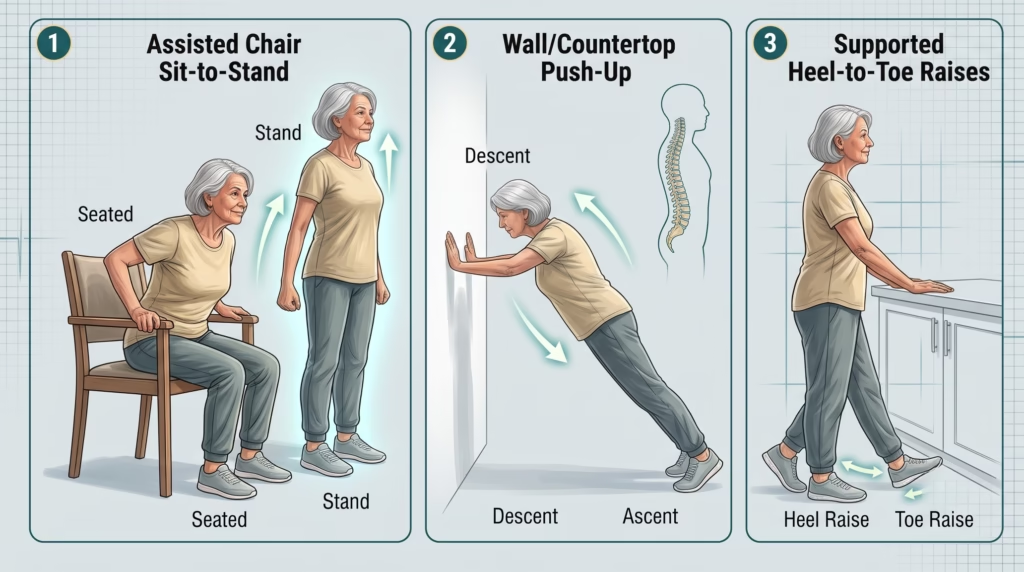
1. The Assisted Chair Sit-to-Stand: Target: Lower Body Strength & Functional Autonomy.
Find a sturdy, straight-backed chair (without wheels). Sit forward on the edge of the seat with your feet flat on the floor, shoulder-width apart. Lean your torso slightly forward, press firmly through your heels, and stand completely upright. Squeeze your glutes at the top, then slowly lower yourself back down to the seat. Repeat this controlled movement continuously for 1 to 2 minutes. If you need support, place your hands lightly on a nearby counter or use the armrests of the chair for assistance.
2. Wall or Countertop Push-Ups: Target: Upper Body Strength & Postural Support.
Stand arm’s-length away from a sturdy wall or a secure kitchen counter. Place your palms flat against the surface, slightly wider than shoulder-width apart. Keeping your body in a straight line from your head to your heels, slowly bend your elbows to lower your chest toward the wall. Push firmly through your hands to return to the starting position. Perform this movement smoothly for 1 to 2 minutes. To make this easier, step closer to the wall; to make it harder, step your feet further back.
3. Supported Heel-to-Toe Raises: Target: Ankle Stability & Venous Return.
Stand behind a sturdy chair or at a kitchen counter, holding on lightly for balance. Slowly lift up onto the balls of your feet, holding the top position for one second to engage your calf muscles. Lower your heels back to the floor, and then gently lift your toes upward, shifting your weight slightly back onto your heels. Continue alternating between heel and toe raises for 2 minutes. This simple motion acts as a secondary pump for your cardiovascular system, pushing blood back up to your heart.
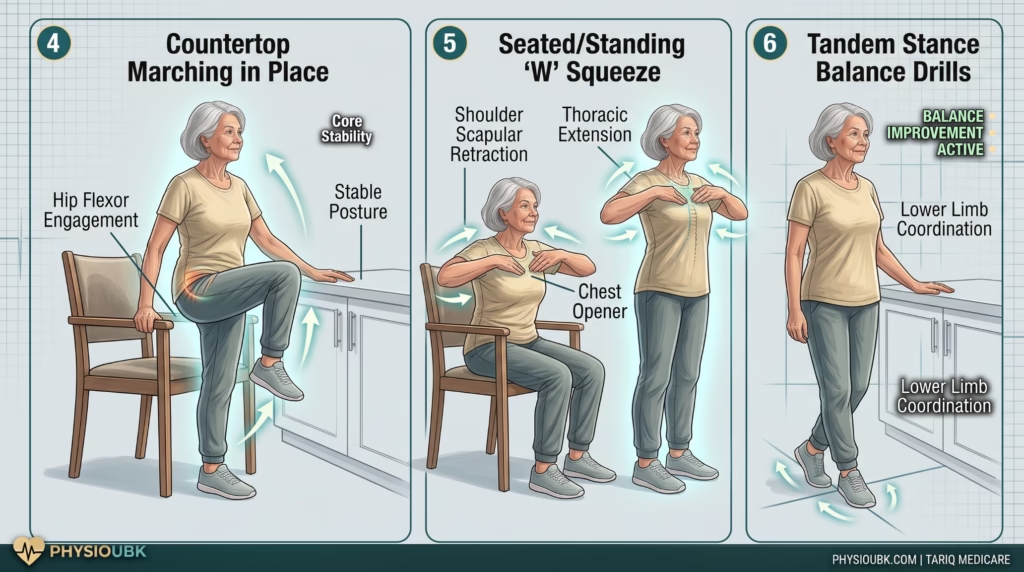
4. Countertop Marching in Place: Target: Hip Flexor Strength & Dynamic Balance.
Stand tall next to a counter or wall, keeping one hand on the surface for support. Slowly lift your right knee toward the ceiling as high as is comfortable, pause, and lower it. Repeat the movement with your left leg. Maintain a steady, rhythmic “march” in place for 2 minutes. Focus on keeping your posture upright and tall, avoiding the temptation to lean to either side as you switch legs.
5. Seated or Standing ‘W’ Squeezes: Target: Thoracic Extension & Upper Back Relief.
Either sitting upright in a chair or standing tall, raise your hands to shoulder height with your elbows bent at 90 degrees, forming a “W” shape with your arms. Slowly pull your elbows down and back, squeezing your shoulder blades together as if you are trying to hold a pencil between them. Hold this squeeze for 3 seconds, then release. Repeat this motion for 1 to 2 minutes. This is an exceptional snack for reversing the hunched posture that often comes from reading, watching television, or dining.
6. Tandem Stance Balance Drills: Target: Vestibular Training & Fall Prevention.
Place a sturdy chair next to you for safety. Place your right foot directly in front of your left foot, so that the heel of your right foot is touching (or close to) the toes of your left foot, like you are standing on a tightrope. Distribute your weight evenly between both feet. Try to hold this position for 30 seconds without holding onto the chair (but keep your hand hovering just above it for safety). Switch feet and hold for another 30 seconds. This challenges your brain to coordinate balance with a narrow base of support.
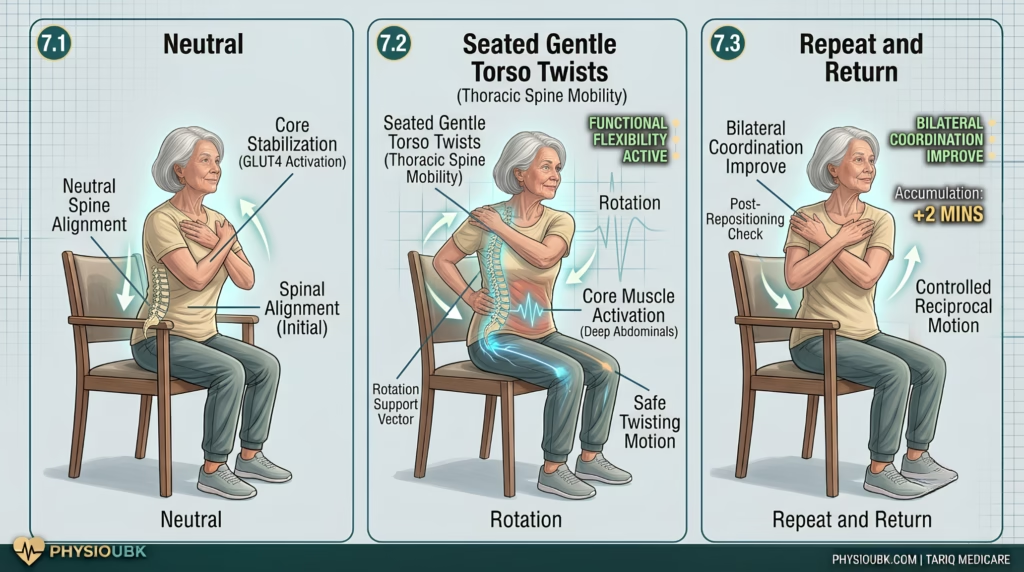
7. Seated Gentle Torso Twists: Target: Spinal Mobility & Core Activation.
Sit tall in a supportive chair with your feet flat on the floor. Cross your arms gently over your chest. Inhale deeply to lengthen your spine, and as you exhale, slowly rotate your torso to the right as far as comfort allows. Hold for two seconds, return to the center, and then rotate to the left. Continue alternating sides slowly for 1 to 2 minutes. This movement keeps the thoracic spine mobile and gently engages your deep abdominal stabilizing muscles.
💡 How to Build an “Exercise Snacking” Habit
The secret to making exercise snacks stick is a behavioral science strategy called habit stacking. Instead of trying to remember to move out of the blue, pair your five-minute movement snack with an existing, automated daily routine:
- The Morning Brew Snack: While waiting for your morning tea or coffee to brew, perform your supported heel-to-toe raises or countertop push-ups.
- The Commercial Break Snack: Every time your favorite television show goes to a commercial break, stand up from your chair and perform five sit-to-stands.
- The Post-Meal Snack: Commit to marching in place or doing a gentle torso twist for just three minutes immediately after lunch to help clear glucose from your bloodstream.
A Safe Framework for Movement
While exercise snacks are highly accessible, safety remains the highest clinical priority. Ensure your environment is free of tripping hazards, keep stable support (like a heavy kitchen counter or wall) within arm’s reach, and never push through joint pain.
If you or a loved one are experiencing severe balance issues, joint degeneration, or are recovering from a recent injury, a professional clinical assessment is the best first step. Working with a qualified physical therapist ensures that your physical activity program is customized precisely to your unique physiological needs.
About the Authors
This functional movement guide was developed by the editorial team at PhysioUBK. Dedicated to clinical education and preventative health, physioubk.com provides accessible, science-backed strategies to help individuals maintain their mobility, build strength, and age gracefully. For physical therapy evaluations, personalized geriatric wellness programs, or specialized pain management services, reach out to our dedicated clinical teams at Tariq Medicare in Khanewal, Pakistan.
Book your appointment now to schedule your exercise snacks!
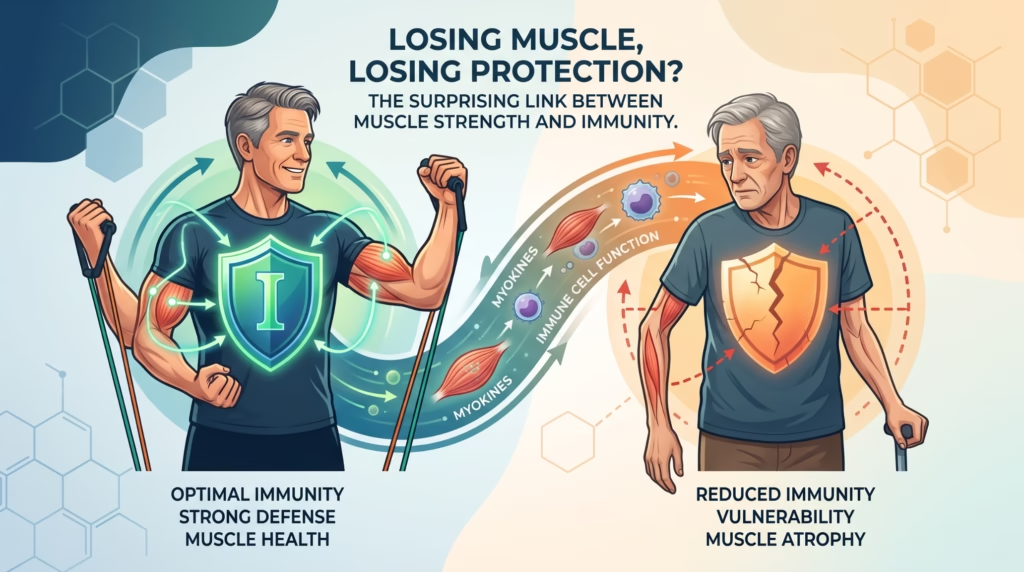
Losing Muscle, Losing Protection? The Surprising Link Between Muscle Strength and Immunity
When most people think of the immune system, they picture white blood cells, lymph nodes,…
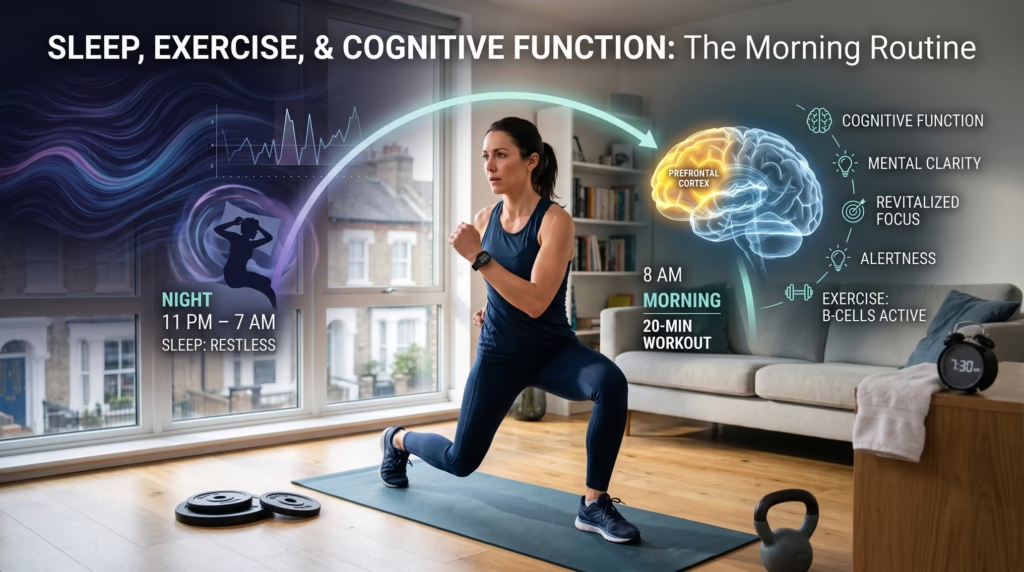
Sleep Better, Think Better: Can a 20-Minute Workout Undo a Sleepless Night?
Waking up after a sleepless night of tossing and turning feels like trying to operate…
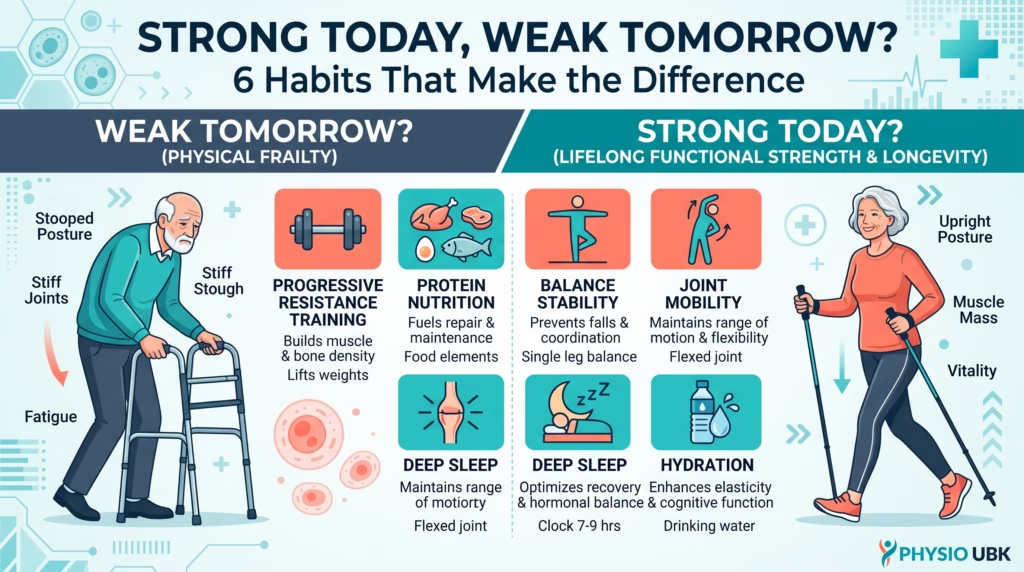
Strong Today, Weak Tomorrow? 6 Habits That Make the Difference
Physical strength often feels permanent when we have it. When you can effortlessly carry heavy…
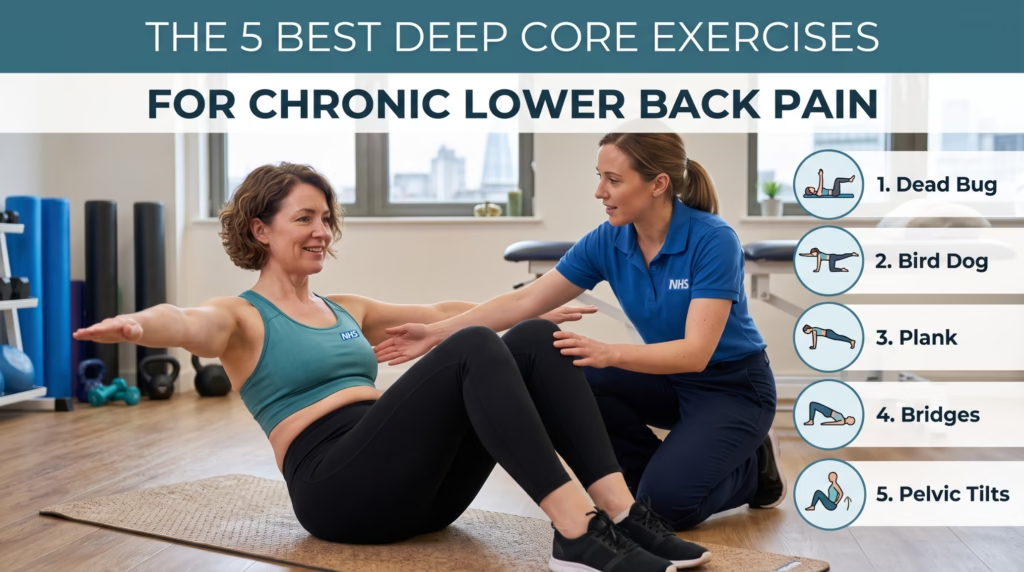
The 5 Best Deep Core Exercises for Chronic Lower Back Pain
Lower back pain is the leading cause of disability worldwide. Millions of people wake up…
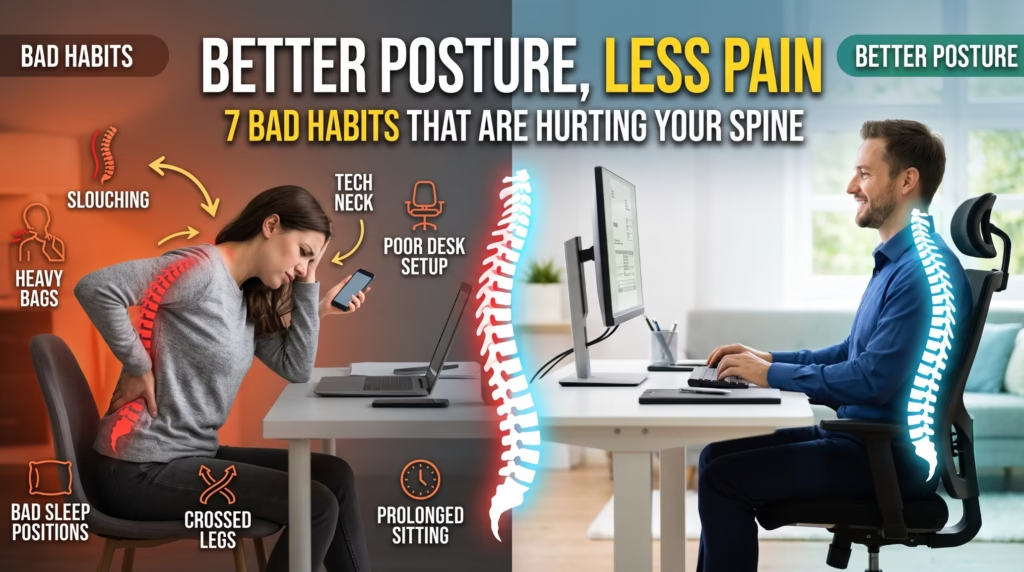
Better Posture, Less Pain: 7 Bad Habits That Are Hurting Your Spine
In our modern world, back and neck pain have become almost universal human experiences. We…

GLP-1 Weight-Loss Drugs: What They Mean for Muscle Health
The landscape of metabolic medicine and weight management has undergone a historic transformation. Medications like…