
7 Ways to Relieve Sore Muscles & DOMS After Workout | Dr.UBK Tips
Pushing your limits during exercise is great, but dealing with sore muscles afterward can be a real pain! In this essential guide, Dr. Usman Barkat breaks down effective strategies for success. He focuses on easing aching muscles after exercise. He also covers reducing Delayed Onset Muscle Soreness (DOMS) and speeding up your recovery process. Whether you’re a seasoned athlete or just starting your fitness journey, these tips will help you manage post-workout discomfort. They will help you get back to feeling your best.
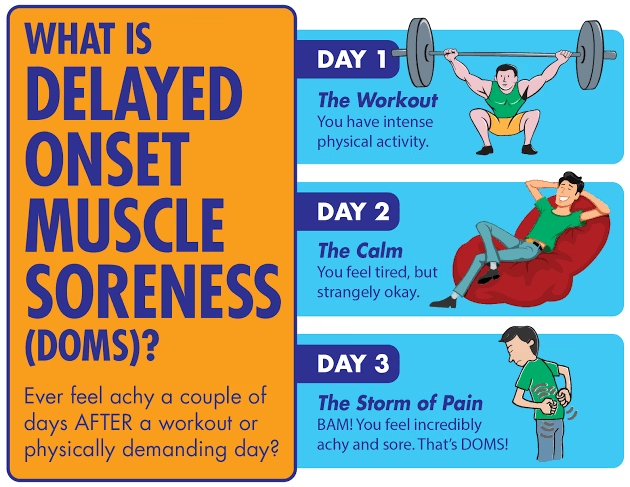
💊 Ibuprofen for DOMS: Does It Actually Help or Hinder Recovery?
When severe muscle soreness strikes 24 to 48 hours after an intense training session, many lifters and desk-bound workers automatically reach for the medicine cabinet. Over-the-counter Non-Steroidal Anti-Inflammatory Drugs (NSAIDs), specifically Ibuprofen, are widely used as a quick fix for post-workout discomfort.
But from a sports physiotherapy and physiological standpoint, the relationship between Ibuprofen and muscle recovery is highly nuanced. While it may temporarily dull the ache, it could actually be stalling your fitness progress.
🧠 The Biomechanical Double-Edged Sword
To understand why, we have to look at how muscles heal. Delayed Onset Muscle Soreness (DOMS) is caused by microscopic tears in muscle fibers. This micro-damage triggers a localized, healthy inflammatory response. This inflammation is actually a crucial signaling mechanism; it tells your immune system to send satellite cells to repair, rebuild, and strengthen the muscle fibers so they can handle heavier loads next time.
When you take Ibuprofen, it works by inhibiting cyclooxygenase (COX-1 and COX-2) enzymes, which reduces the production of pro-inflammatory prostaglandins.
[Muscle Micro-Tears] ──> [Healthy Inflammatory Signaling] ──> [Protein Synthesis & Repair]
                                    │
                         (Blocked by Ibuprofen)
                                    ▼
                         [Stunted Muscle Adaptation]
⚖️ The Clinical Trade-Off: Pain Relief vs. Muscle Growth
- The Pros (Short-Term Relief): Clinical studies show that standard doses of Ibuprofen (e.g., 400mg to 1200mg daily) can successfully reduce perceived muscle soreness and temporarily restore range of motion. If you have an event or need to get through a physically demanding day, it can be a useful tool to manage acute discomfort.
- The Cons (Stunted Muscle Adaptation): Multiple clinical trials indicate that chronic, high-dose NSAID use suppresses the natural muscle protein synthesis process. By blunting the inflammatory response, you essentially turn down the volume on your body’s “rebuild” signal. Over time, this can lead to lesser strength gains and slower muscle hypertrophy (growth).
- Systemic Side Effects: Regular reliance on Ibuprofen for workout recovery can irritate the gastrointestinal tract lining and place unnecessary stress on your kidneys—especially when taken during periods of dehydration.
🩺 Clinical Recommendation for Patients
As a clinical protocol, routine use of Ibuprofen for DOMS is not recommended. If your goal is long-term tissue adaptation, strength, and resilience, you should let the body’s natural inflammatory process run its course.
The Exception Rule: Reserve Ibuprofen only for extreme cases of debilitating soreness that severely restrict your basic daily mobility. In those instances, use the lowest effective dose for no more than 24 to 48 hours.
For standard post-workout recovery, prioritize natural, non-pharmacological alternatives like active recovery (light multi-planar movement), proper hydration, quality sleep, and targeted foam rolling.
These techniques can help reduce downtime. They improve your exercise consistency. They also make your fitness routine more enjoyable by tackling post-exercise pain head-on. This information is intended for educational purposes to help you manage common muscle soreness after exercise. If you experience severe, persistent pain or suspect an injury, please consult with a healthcare professional or a physical therapist.
🔔 SUBSCRIBE to Dr. Usman Barkat Official for more expert advice.
CONNECT WITH DR. USMAN BARKAT:
Official Website: Instagram: Facebook:
MEDICAL DISCLAIMER: The information provided on the Dr. Usman Barkat Official YouTube channel. This channel features the content of this video, which focuses on easing sore muscles after exercise. This is for general informational and educational purposes only. It does not constitute medical advice and is not a substitute for professional medical consultation, diagnosis, or treatment. Always seek the advice of your physician, physical therapist, or other qualified health provider with any questions. Consult every time regarding a medical condition, injury, or before starting any new exercise program or recovery regimen. Never disregard professional medical advice or delay in seeking it because of something you have watched on this channel.
Book Your Online Appointment for assessment of Post-workout DOMS.

Tech Neck: 5 Desk Habits That Hurt Your Neck
Your head weighs about 5 kg. Tilt it forward 60 degrees to look at your…
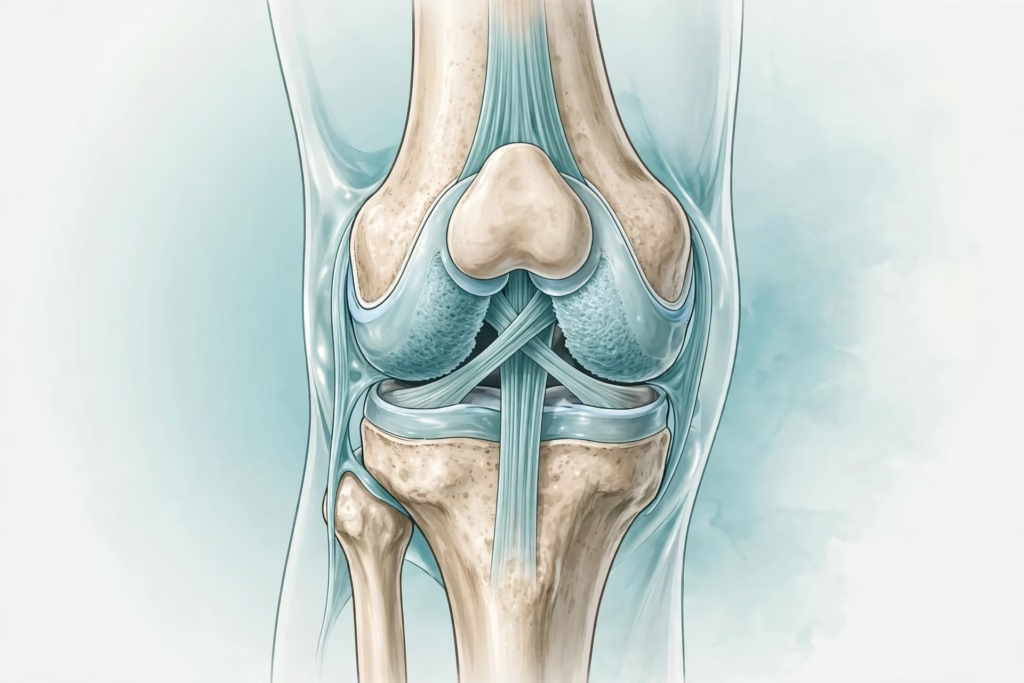
Knee Pain Treatment in Khanewal: Walk, Climb, and Squat Without Fear
A few weeks ago a schoolteacher in her early fifties walked into my clinic and…

How to Choose the Right Pillow for Neck Pain
“Best pillow for neck pain” is one of the fastest-rising health searches in Pakistan —…

The Best Sleeping Positions for Sciatica Pain
There’s a special cruelty to sciatica at night. The day was manageable — then you…
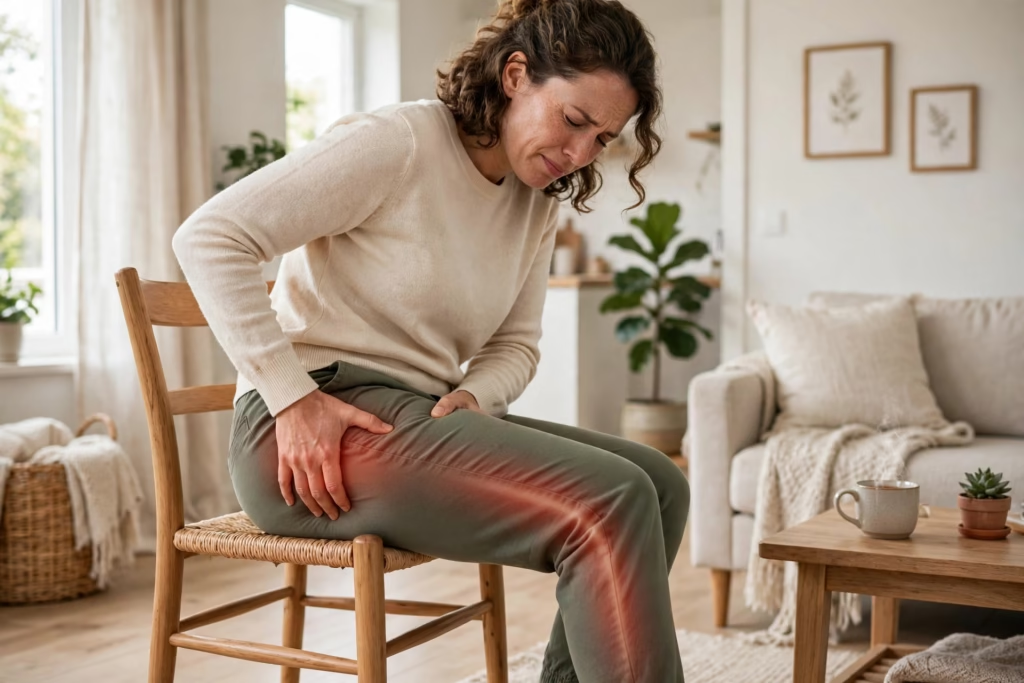
Sciatica or Piriformis Syndrome? How to Tell the Difference
“Doctor sahab, mujhe sciatica hai” — I hear this almost daily. But here’s the thing:…
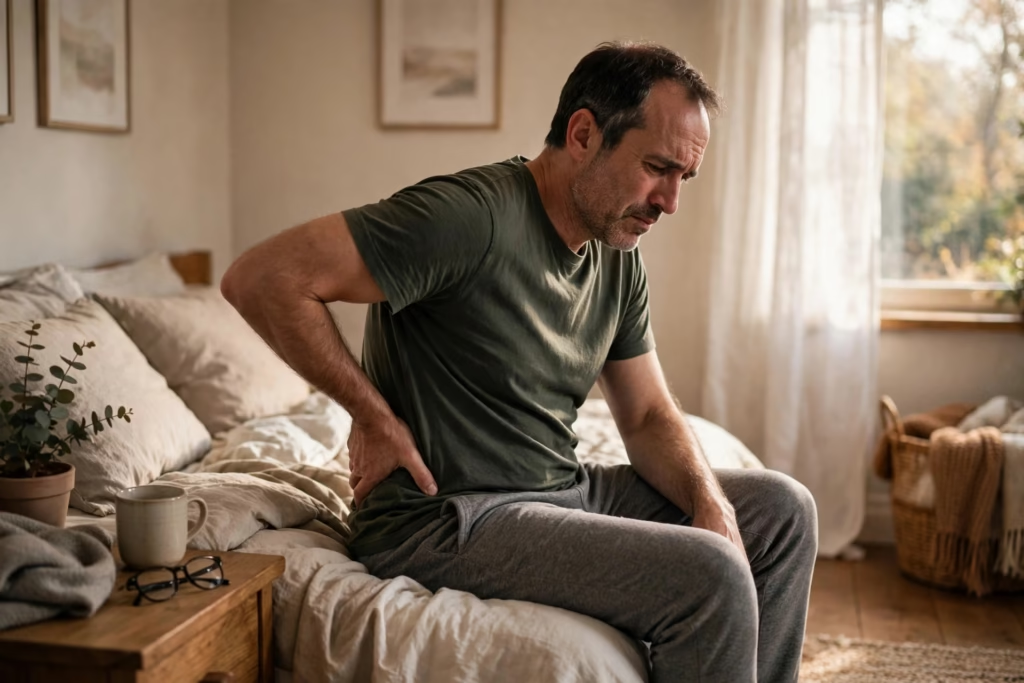
Kamar Dard Ka Ilaj: When Home Remedies Aren’t Enough
Kamar dard Pakistan mein itna aam hai ke taqreeban har ghar mein koi na koi…
It’s really very complex in this busy life to listen news on Television, thus I just use internet for that reason, and take the hottest news.
Pingback: Inside the FIFA World Cup 2026 Training Ground: The Physiology of Football Player Fitness - physioubk.com
Pingback: Can You Work Out with DOMS? A Physiotherapist's 3 Guides to Active Recovery - physioubk.com