
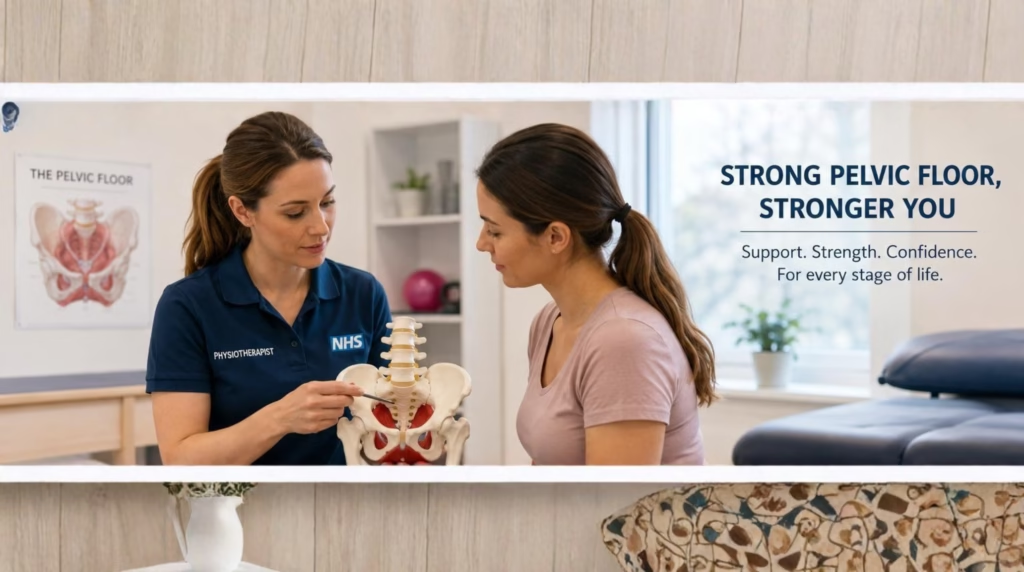
Pelvic Floor Health in Women: The Clinical Guide to Structural Stability and Recovery
Many women spend decades prioritizing their cardiovascular metrics, bone mineral density, and general fitness splits while completely overlooking one of the most vital muscular foundations in the human body—the pelvic floor. The baseline reality is that pelvic floor dysfunction symptoms do not discriminate by age or milestone; they affect young athletes, sedentary office workers, postpartum mothers, and women navigating menopause alike.
In the fields of advanced physical rehabilitation and the structural chemistry of life, the pelvic floor is recognized as a dynamic, reactive muscular matrix. When its integrity is compromised, a woman’s foundational movement mechanics, exercise confidence, and overall quality of life drop significantly. This clinical guide explores the anatomy, biochemical shifts, and targeted interventions within specialized pelvic floor physiotherapy to empower women to reclaim their physical resilience.
Educational Disclaimer: This article is intended strictly for educational and informational purposes. It does not constitute medical diagnosis, prescriptive treatment, or specific clinical advice. Always consult a qualified healthcare professional, HCPC-registered pelvic health specialist, or your local or online physical rehabilitation consultant for personalized assessments.
What Is the Pelvic Floor? Understanding the Structural Muscle Matrix
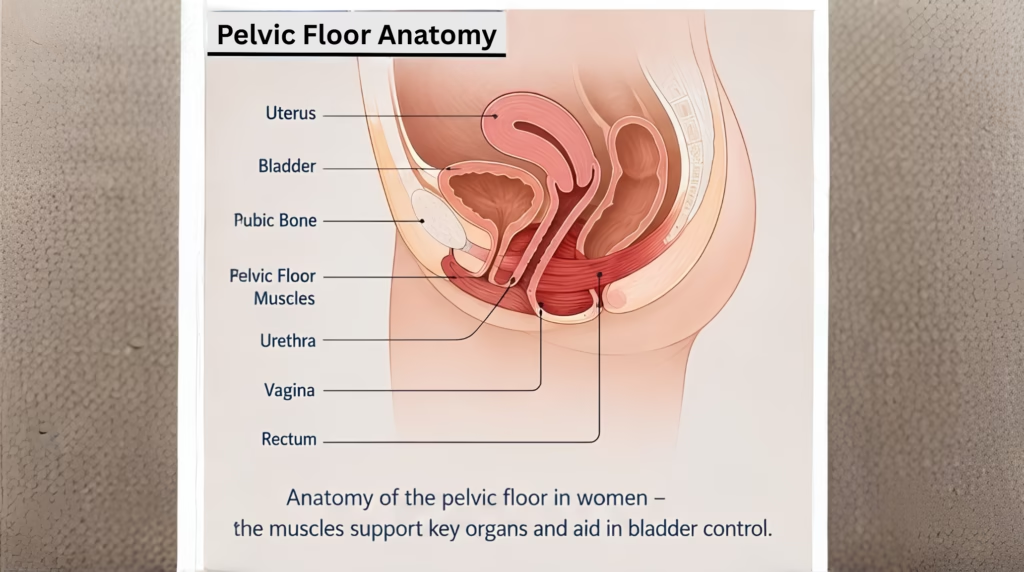
The pelvic floor is a highly coordinated, multi-layered group of skeletal muscles, specialized ligaments, and fascial connective tissues spanning the base of the pelvis. Think of it as a dynamic, adjustable structural hammock stretching from the pubic bone at the front to the coccyx (tailbone) at the back.
This foundational muscular framework is responsible for supporting three critical pelvic structures:
- The Bladder: Regulating urinary continence and pressure management.
- The Uterus: Maintaining structural position through variable lifecycles.
- The Bowel: Supporting terminal digestive tracts and fecal control.
The Biochemistry of Pelvic Connective Tissue
From a biochemical perspective, the pelvic floor relies heavily on a precise balance of Type I and Type III collagen fibers within its extracellular matrix. Type I collagen provides high tensile strength, while Type III offers the structural elasticity required during functional loading and childbirth.
As hormones fluctuate across a lifespan—particularly during pregnancy or the drop in systemic estrogen during menopause—the rate of collagen remodeling changes. This shift can alter tissue elasticity, making the structural hammock prone to either excessive weakness or hypertonic tension.
Recognizing Pelvic Floor Dysfunction Symptoms
Pelvic floor dysfunction presents in highly diverse clinical patterns. It is a common misconception that dysfunction only manifests as loose, weak tissue; a hypertonic (overactive, chronically tense) pelvic floor can be equally debilitating.
| Clinical Symptom Category | Underlying Mechanical Issue | Common Presentation |
| Stress Urinary Incontinence | Insufficient urethral closure pressure under sudden physical loading. | Leakage when coughing, laughing, sneezing, running, or heavy lifting. |
| Urge Incontinence & Urgency | Detrusor muscle hyperactivity or poor pelvic floor coordination. | A sudden, overwhelming involuntary need to empty the bladder. |
| Pelvic Organ Prolapse (POP) | Ligamentous laxity or structural descent of pelvic viscera. | Sensations of pelvic heaviness, vaginal pressure, or a physical dragging feeling. |
| Hypertonic Pelvic Pain | Chronically elevated resting tone; failure of the muscle matrix to fully relax. | Localized pelvic discomfort, lower back symptoms, or pain during functional movements. |
Pregnancy and Postpartum Recovery: The Mechanical Strain
Pregnancy acts as a sustained biological loading test on a woman’s pelvic health. Over 39 to 40 weeks, the structural hammock must withstand continuously increasing intra-abdominal pressure and structural weight. Simultaneously, the endocrine system secretes the hormone relaxin, which systematically increases ligamentous laxity to prepare the birth canal.
During childbirth, these muscle fibers can stretch up to three times their normal resting length. This intense mechanical strain can result in microscopic tearing, structural stretching, or transient nerve neuropraxia.
Key Metrics Influencing Postpartum Recovery Timelines:
- Mechanical Birth Factors: Total length of the second stage of labor and manual birth interventions.
- Neonatal Direct Metrics: Birth weight and individual structural head circumference.
- Maternal Tissue Chemistry: Pre-existing collagen profiles, hydration metrics, and systemic inflammatory baselines.
True postpartum recovery must focus on internal tissue remodeling rather than merely tracking visible abdominal changes.
Pelvic Floor Health Beyond Pregnancy: Athletes and Menopause
The High-Impact Dilemma in Female Athletes
A common clinical paradox is the high prevalence of urinary incontinence in women who are elite, young athletes. High-impact athletic disciplines place intense, repetitive downward pressure on the pelvic diaphragm:
High-Impact Loading (Jumping/Sprinting) ──► Sudden Spike in Intra-Abdominal Pressure ──► Insufficient Pelvic Floor Counter-Force ──► Transient Urinary Leakage
If a female athlete possesses an incredibly strong rectus abdominis muscle but a poorly coordinated or hypertonic pelvic floor, the intra-abdominal pressure matrix will route downward through the path of least resistance. This creates transient urinary leakage during heavy lifting, CrossFit, running, or trampolining.
The Menopausal Transition and Tissue Elasticity
During menopause, the progressive decline in circulating ovarian estrogens directly impacts women’s pelvic health. Estrogen receptors are highly concentrated within the urethral tissues and pelvic floor muscles.
The withdrawal of this hormone leads to urogenital atrophy, a distinct loss of mucosal tissue vascularity, and a reduction in the elasticity of the pelvic connective tissues. Proactive physical rehabilitation during this life transition is critical to reinforce secondary muscular support structures and maintain baseline continence.
The Core Cylinder and Pressure Management
The pelvic floor cannot function in geographical or biomechanical isolation. It forms the structural base of an integrated, pressurized core cylinder system inside your torso.
- The Top: The respiratory diaphragm.
- The Front and Sides: The transversus abdominis muscle matrix.
- The Back: The multifidus muscles of the spine.
- The Bottom: The pelvic floor muscle hammock.
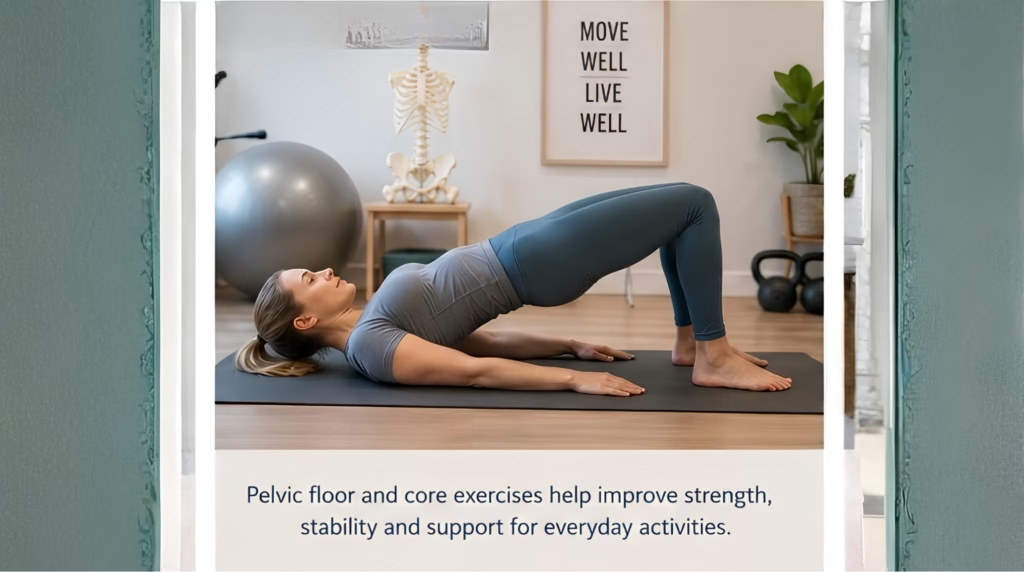
When you inhale, your diaphragm moves downward, increasing internal abdominal pressure; a healthy pelvic floor eccentrically lengthens to absorb this force. As you exhale, the pelvic floor naturally contracts and moves upward in a coordinated wave.
If this pressure management loop is broken—due to habitual breath-holding, poor postural mechanics, or chronic constipation—the system breaks down, driving long-term tissue strain.
The Role of Specialized Pelvic Floor Physiotherapy
Many women believe that addressing pelvic health is restricted to performing repetitive, unassisted contraction exercises (Kegels) at home. However, blindly performing contractions on an already overactive, hypertonic pelvic floor can actually exacerbate pelvic pain and increase urgency symptoms.
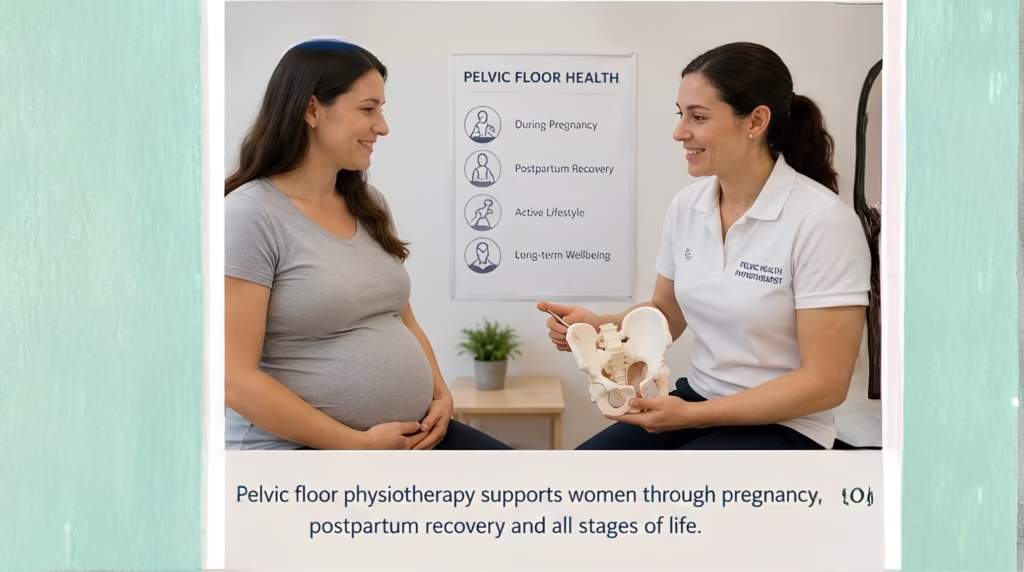
Comprehensive pelvic floor physiotherapy utilizes an objective, evidence-based approach to diagnose your exact muscular profile.
[Clinical Assessment]
       │
       ├─► Hypertonic / Overactive Profile ──► Down-training, Myofascial Release, & Diaphragmatic Retraining
       └─► Hypotonic / Weak Profile ─────────► Progressive Strength Loading, Coordinate Bracing, & Functional Integration
A specialized clinical assessment evaluates:
- Isolated Muscle Strength: Testing the maximal voluntary contraction force of the levator ani complex.
- Muscular Endurance: The ability to sustain tonic contractions over a specific time matrix.
- Coordination and Release: The vital ability to fully drop and relax the pelvic floor after execution.
- Functional Synergy: How your pelvic muscles fire during complex full-body activities like squats or lifting.
Global Healthcare Benchmarks & Accessing Specialized Care
Modern healthcare frameworks—including the National Health Service (NHS) in the UK and guidelines from the American Physical Therapy Association (APTA) in the USA—strongly emphasize early pelvic health screenings. Proactive pelvic assessment reduces the long-term societal and individual burdens of advanced incontinence surgeries.
For women seeking world-class, localized clinical expertise, accessing comprehensive care requires looking for advanced diagnostic environments. Platforms like Physioubk.com bridge this global scientific research with practical clinical applications.
If you are a resident looking for specialized physical rehabilitation, visiting an established regional medical hub like the Tariq Medicare Physiotherapy Clinic in Khanewal ensures you receive targeted, primary-source care. Undergoing professional, supervised assessment helps design tailored rehabilitation programs that match your unique lifestyle, age, and long-term athletic goals.
Book Your online assessment appointment with our expert Female or Male Physiotherapist.
Key Takeaways for Long-Term Wellness
- Commonality vs. Normality: While urinary leakage or pelvic heaviness is highly common after childbirth or during menopause, it should never be accepted as your permanent normal.
- The Hypertonic Trap: A tight muscle is not a strong muscle. Learning how to properly relax and lengthen the pelvic floor is just as critical as building raw contraction strength.
- The Lifestyle Link: Managing chronic coughing, resolving chronic constipation, and practicing proper diaphragmatic breathing are non-negotiable pillars to reduce unneeded daily loading on your pelvic organs.
- Early Intervention Matters: Seeking specialized guidance early prevents minor structural issues from developing into advanced prolapses or chronic pain syndromes later in life.
Author Profile & Digital Authority
This comprehensive educational resource was compiled by the PhysioUBK Editorial Team, directed by global physical therapy consultant insights. Physioubk.com is a premier digital health platform dedicated to breaking down complex clinical biomechanics, sports performance variables, and the fundamental chemistry of life for international audiences.
For advanced, evidence-based longevity content or to explore local, high-tier healthcare solutions at Tariq Medicare Khanewal, stay connected to our updated medical resource network.
What is a Functional Capacity Evaluation (FCE) in Physical Therapy?
CLINICAL GUIDE & ASSESSMENT PROTOCOL An exhaustive, clinician-reviewed guide explaining the protocols, physical tolerance metrics,…
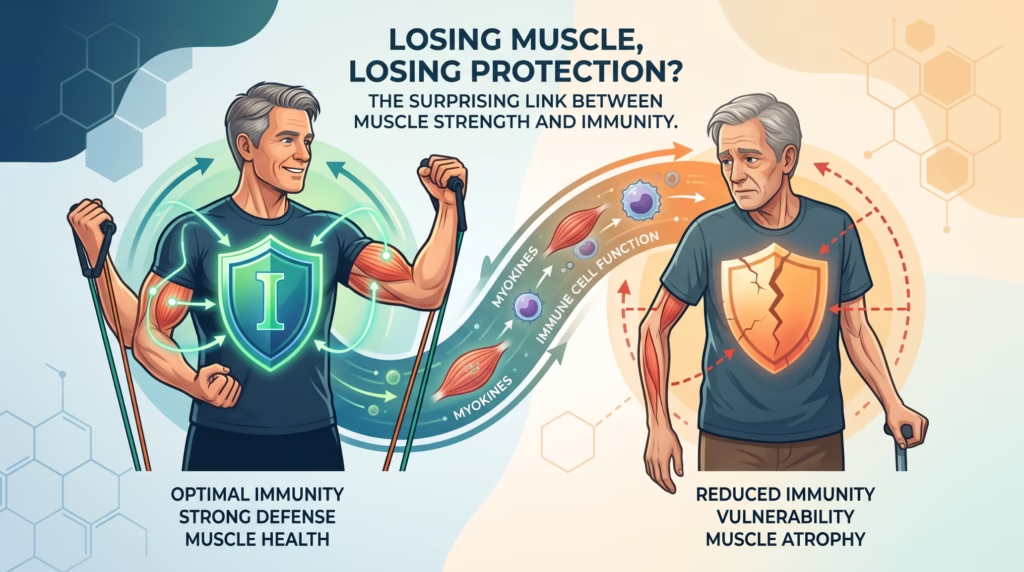
Losing Muscle, Losing Protection? The Surprising Link Between Muscle Strength and Immunity
When most people think of the immune system, they picture white blood cells, lymph nodes,…
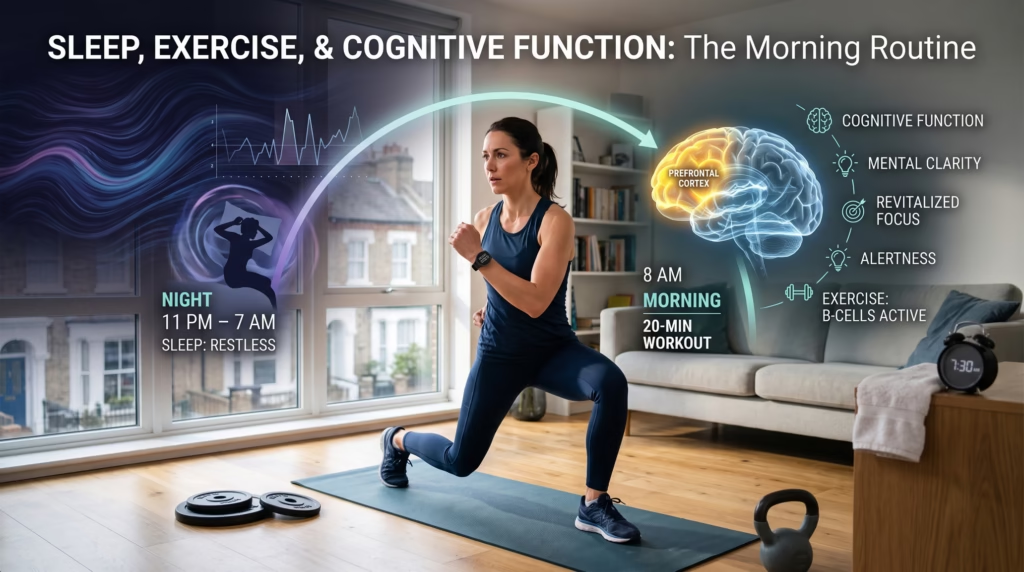
Sleep Better, Think Better: Can a 20-Minute Workout Undo a Sleepless Night?
Waking up after a sleepless night of tossing and turning feels like trying to operate…
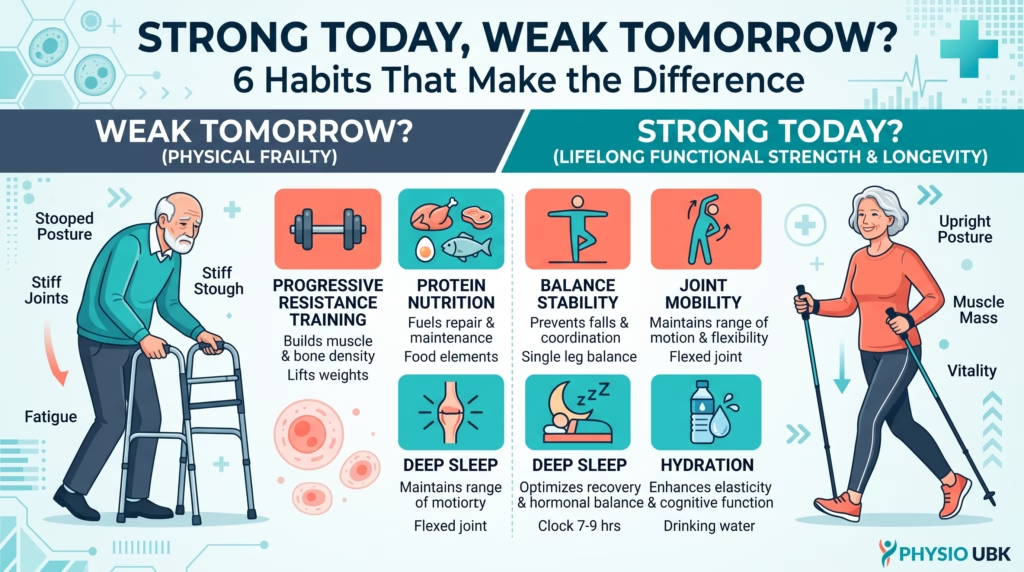
Strong Today, Weak Tomorrow? 6 Habits That Make the Difference
Physical strength often feels permanent when we have it. When you can effortlessly carry heavy…
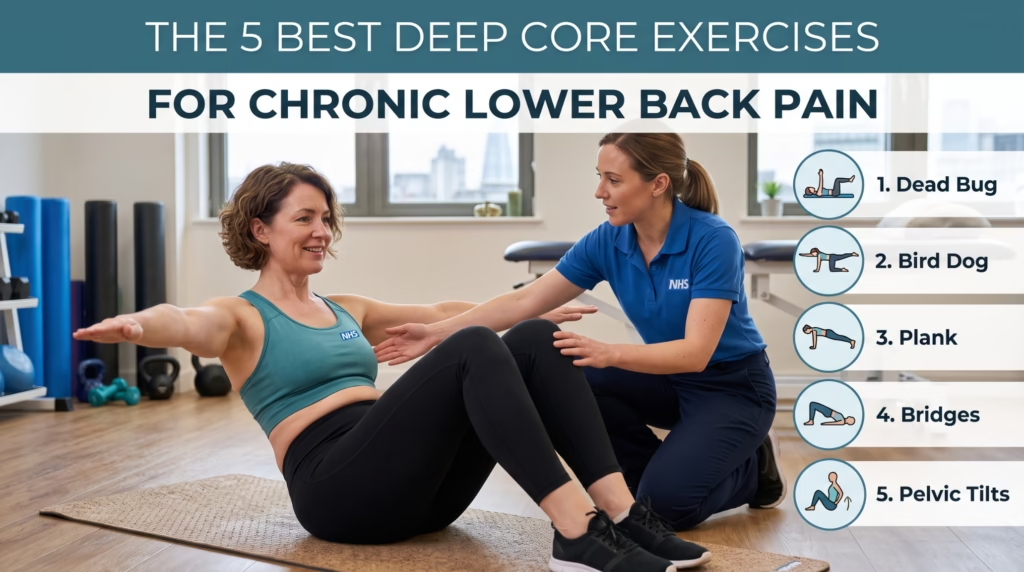
The 5 Best Deep Core Exercises for Chronic Lower Back Pain
Lower back pain is the leading cause of disability worldwide. Millions of people wake up…
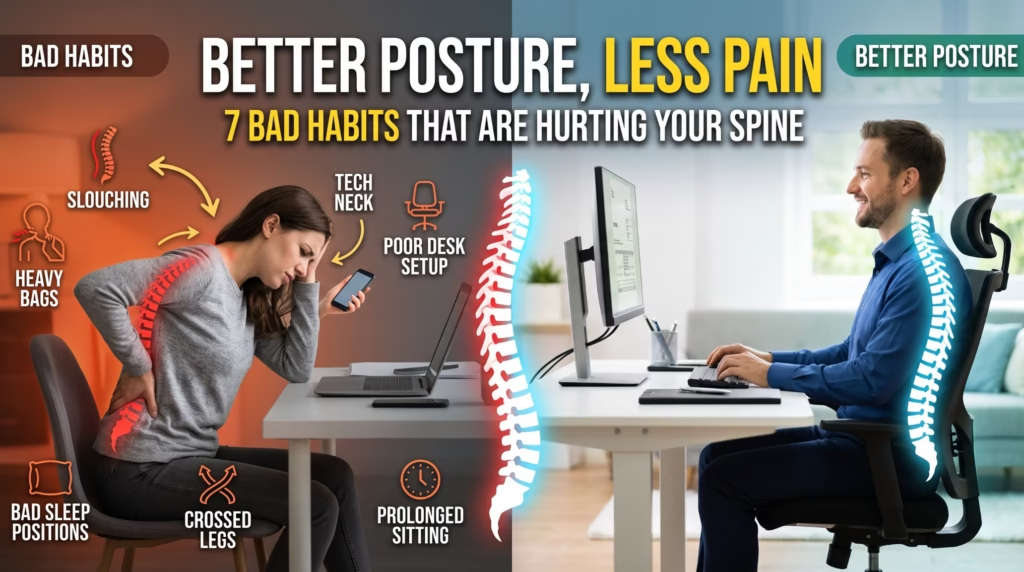
Better Posture, Less Pain: 7 Bad Habits That Are Hurting Your Spine
In our modern world, back and neck pain have become almost universal human experiences. We…