
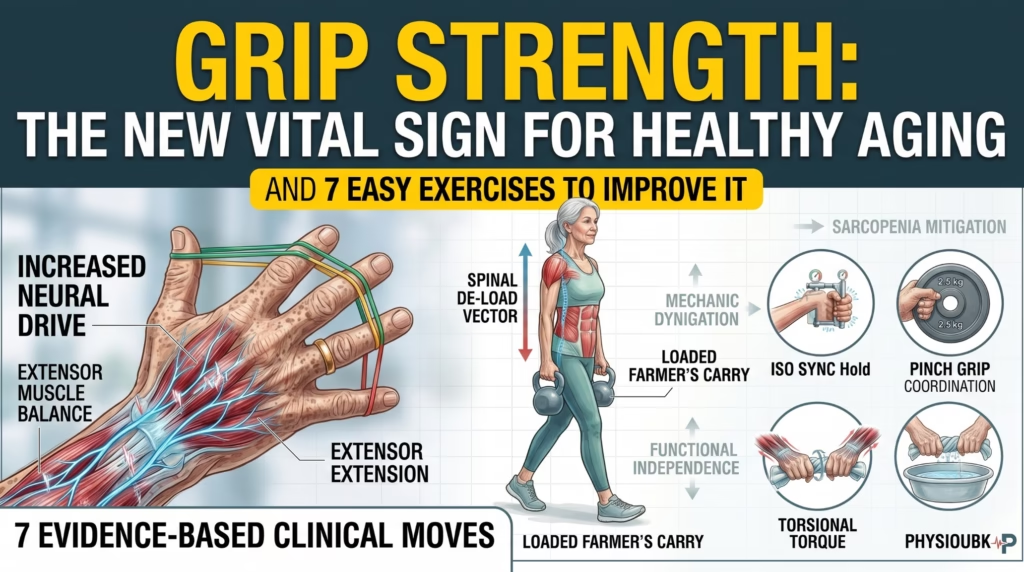
When we talk about monitoring our health as we age, we naturally think of the classic vital signs: blood pressure, resting heart rate, body temperature, and respiratory rate. But in modern physical therapy and longevity medicine, a simple hand squeeze is emerging as one of the most powerful predictors of how well, and how long, you will live.
Hand grip strength is no longer viewed as just an isolated measure of hand and forearm power. Instead, clinical research now considers it a key “functional vital sign”. It acts as a direct, non-invasive window into your systemic muscular health, nervous system integrity, and biological age.
Whether you are an active individual looking to preserve your physical independence, an older adult wanting to prevent falls, or someone recovering from injury, understanding your grip strength is a major key to unlocking healthy aging.
The Clinical Science: What Your Grip Says About Your Body
Grip strength is measured using a specialized tool called a hand dynamometer. By squeezing this device with maximum effort, you record a force metric (typically in kilograms or pounds).
But this simple test reflects far more than your hand muscles. Generating a strong grip requires a complex chain reaction: your brain must fire a neural signal down your spinal cord, across peripheral nerves, and into the motor units of your forearms and hands. This process depends on optimal nervous system conduction, muscle mass quality, mitochondrial health, and cardiovascular blood flow.
Because it relies on the coordinated function of your musculoskeletal, cardiovascular, and neurologic systems, grip strength serves as a brilliant proxy for biological age, the actual age your body behaves, regardless of the date on your birth certificate.
📈 Squeezing Out the Facts: Grip Strength and Longevity
The correlation between hand strength and systemic health is backed by massive global epidemiological data:
- Predictor of Mortality: In the landmark Prospective Urban Rural Epidemiology (PURE) Study tracking nearly 140,000 adults, every 5 kg (11 lbs) decrease in grip strength was associated with a 16% increased risk of all-cause mortality. Strikingly, grip strength was a stronger predictor of death than systolic blood pressure.
- Cardiovascular Protection: The same PURE study associated that same 5 kg drop in grip with a 17% increase in cardiovascular mortality, a 7% increase in myocardial infarction (heart attack), and a 9% increased risk of stroke.
- Sarcopenia & Frailty Marker: Sarcopenia (the age-related loss of muscle mass, strength, and quality) is a primary driver of physical frailty. A weak grip is the clinical gold standard for diagnosing early-stage sarcopenia.
- Biological Aging Acceleration: A 2023 study found that lower handgrip strength was strongly associated with accelerated DNA methylation age (a cellular measure of biological aging). In short, physically weaker individuals are often biologically older.
Reference Ranges: Where Do You Stand?
Grip strength builds during young adulthood, peaks in your 20s and 30s, and then gradually declines.
The following values represent standard clinical reference points (measured on a hydraulic Jamar dynamometer):
| Group / Demographic | Average Peak (20s–30s) | Average in 70s | Low-Strength Cut-Point (Probable Sarcopenia) |
| Men | ~50 kg (~110 lbs) | ~32 kg (~71 lbs) | < 27 kg (< 60 lbs) |
| Women | ~30 kg (~66 lbs) | ~19 kg (~42 lbs) | < 16 kg (< 35 lbs) |
The Mobility Connection: When grip strength falls below these clinical cut-off points, the risk of experiencing physical disability, falls, prolonged hospital stays, and a loss of daily functional independence skyrockets.
🛠️ 7 Easy Exercises to Improve Your Grip and Protect Your Autonomy
While grip naturally declines over time, muscle tissue remains incredibly responsive to training at any age. By strengthening your grip, you actively build systemic physical resilience.
Here are 7 targeted exercises that require minimal equipment to help you build functional hand, wrist, and forearm strength:
1. Calibrated Isometric Squeezes:
Target: Finger Flexor Strength.
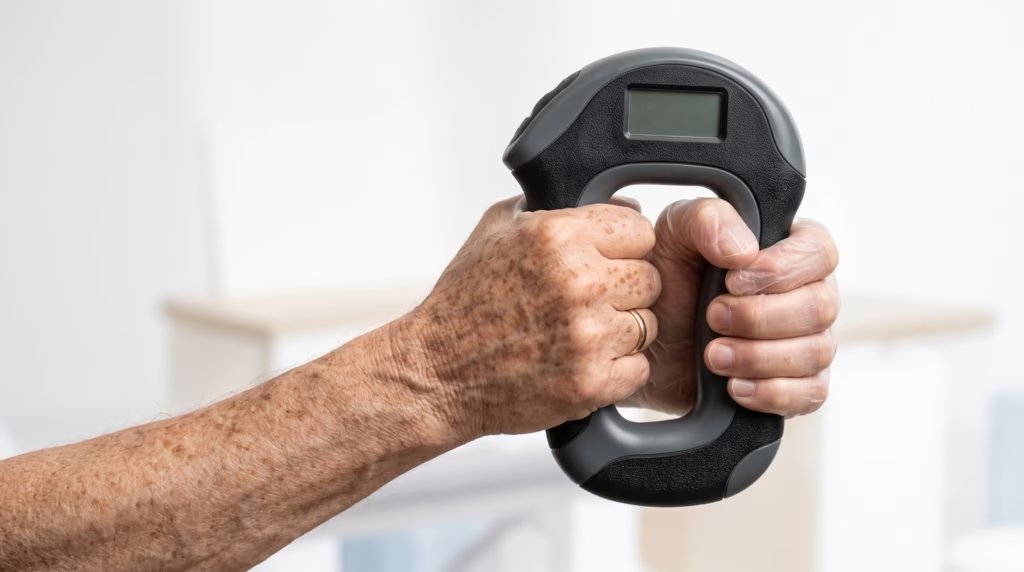
Using a spring-loaded hand gripper or a firm rubber ring, squeeze with maximum comfortable effort. Hold the squeeze for 3 to 5 seconds, then slowly release. Perform 3 sets of 10 to 12 repetitions per hand. If you do not have a gripper, squeezing a tennis ball or soft stress ball works as an accessible starting point.
2. The Loaded Farmer’s Carry:
Target: Endurance and Posterior Chain Integration.
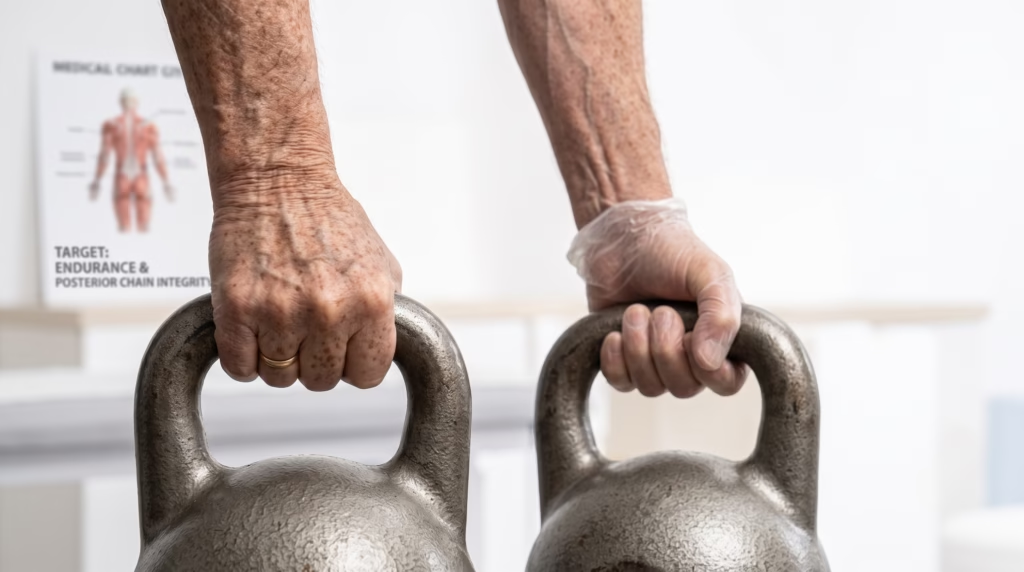
Hold a moderately heavy dumbbell, kettlebell, or even a heavy grocery bag in each hand. Stand tall with your shoulders pulled back and down (maintain excellent posture). Take slow, deliberate steps forward for 30 to 60 seconds. Perform 3 to 4 sets. This exercise trains your hands while stabilizing your shoulders and core.
3. Passive or Active Hanging:
Target: Deep Grip Endurance and Spinal Decompression.
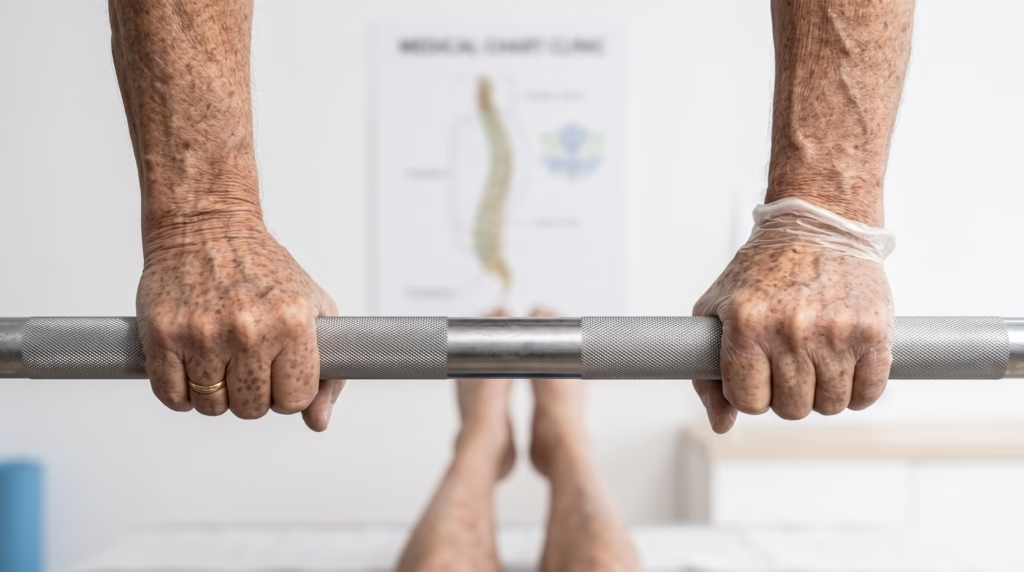
Locate a sturdy pull-up bar. Grasp the bar with an overhand grip (palms facing away) and lift your feet off the ground. If a full hang is too difficult, keep your feet lightly touching the floor for support. Aim to hold for 15 to 30 seconds. This exercise places a powerful eccentric load on the forearms while opening up tight shoulder joints.
4. Wrist Flexor and Extensor Rolls:
Target: Local Forearm Conditioning.
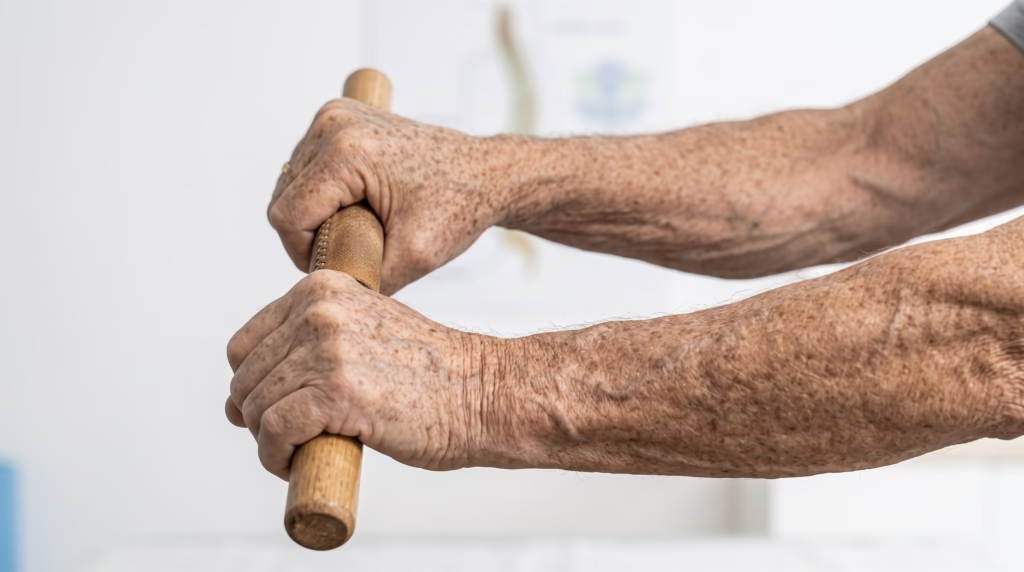
Sit with your forearm resting on a table or your thigh, holding a light dumbbell (2–5 lbs) with your palm facing up. Slowly curl your wrist upward, hold for a second, and lower it back down. Turn your palm facing down and repeat the curling motion upward. Do 3 sets of 15 repetitions in each direction to build structural joint support around the wrist.
5. Plate or Book Pinches:
Target: Pinch Grip and Thumb Strength.
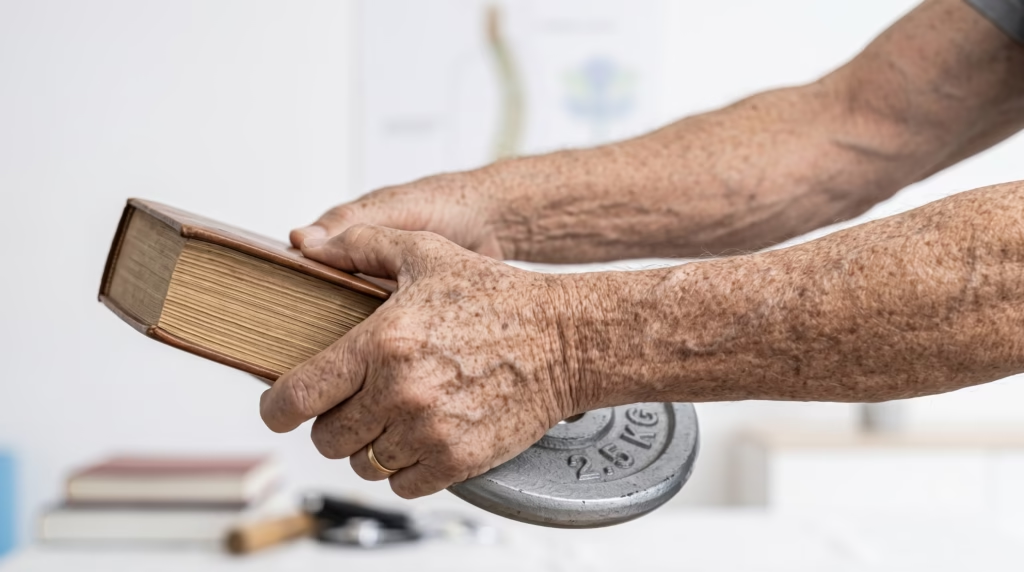
Traditional grip training focuses on a wrapping squeeze, but pinch strength (using the fingers and thumb) is vital for daily actions. Hold a flat weight plate or a thick book between your thumb and fingers (do not wrap your fingers around it). Hold it off the ground for 30 seconds. Perform 3 sets per hand.
6. The Towel Wring-Out:
Target: Rotational Torque and Coordination.
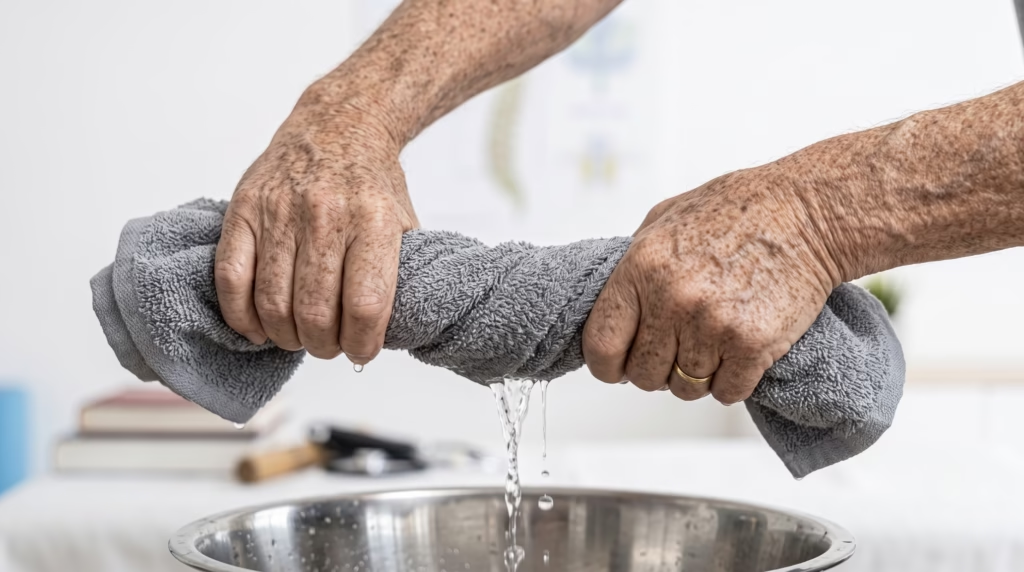
Take a standard hand towel and soak it in water (or practice dry). Hold the towel with both hands and wring it out as tightly as possible, rotating your wrists in opposite directions. Reverse the direction and repeat. Perform this continuously for 60 seconds to build structural stability through the wrists.
7. Finger Band Extensions:
Target: Muscle Balance (Antagonist Training).
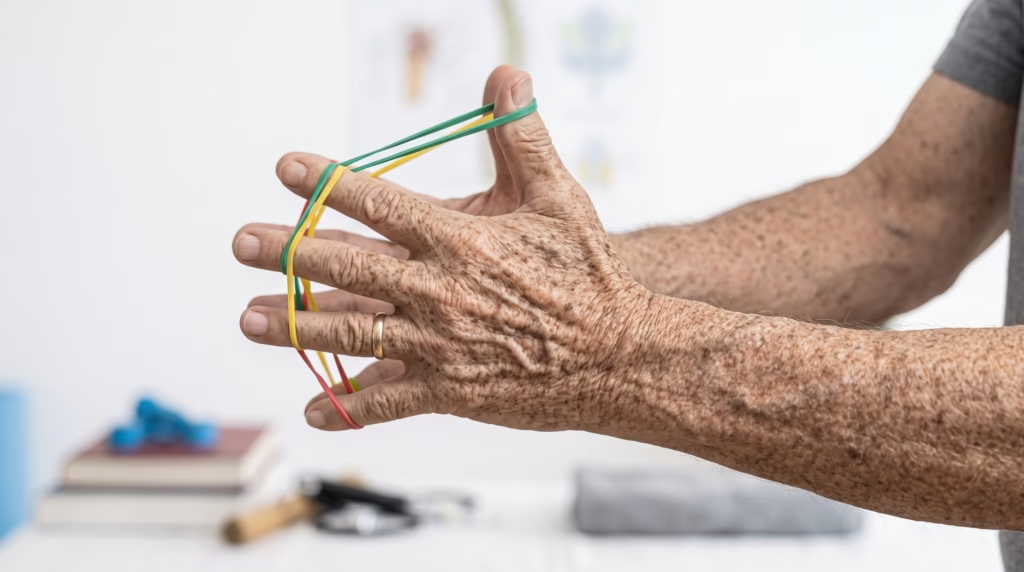
Place a standard rubber band around the outside of your fingers and thumb (grouped together). Slowly spread your fingers apart against the resistance of the band, hold for 2 seconds, and close. Perform 3 sets of 15 to 20 repetitions. This balances your grip training by strengthening the hand extensors, helping to prevent overuse patterns like tennis elbow.
🩺 The Takeaway: Take Control of Your Longevity
Your hands are the ultimate tools of daily life. By incorporating these simple movements into your weekly routine, you are doing far more than just opening jars with ease, you are actively bulletproofing your nervous system, preserving your muscle quality, and protecting your physical independence for decades to come.
If you are noticing a decline in your grip strength, or are struggling with joint pain or muscle stiffness, consider consulting a physical therapist. A professional assessment can help pinpoint any underlying nerve or joint issues, ensuring you train safely and effectively.
About the Authors
This healthy aging guide was curated by the PhysioUBK Editorial Team. Physioubk.com is committed to sharing clinically-sound biomechanical education, functional recovery resources, and preventative strategies to help individuals live active, pain-free lives. For personalized wellness guidance, orthopedic assessments, or specialized geriatric programs, stay connected with our clinical teams at Tariq Medicare Khanewal.
Book your appointment now to fix your grip strength!

Tech Neck: 5 Desk Habits That Hurt Your Neck
Your head weighs about 5 kg. Tilt it forward 60 degrees to look at your…
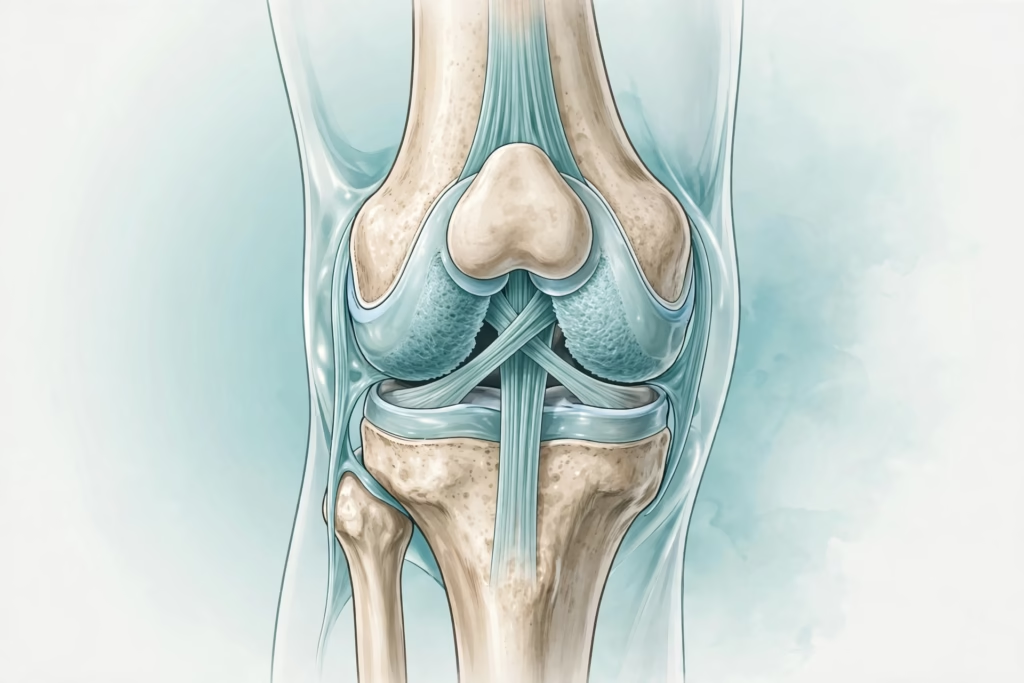
Knee Pain Treatment in Khanewal: Walk, Climb, and Squat Without Fear
A few weeks ago a schoolteacher in her early fifties walked into my clinic and…

How to Choose the Right Pillow for Neck Pain
“Best pillow for neck pain” is one of the fastest-rising health searches in Pakistan —…

The Best Sleeping Positions for Sciatica Pain
There’s a special cruelty to sciatica at night. The day was manageable — then you…
Sciatica or Piriformis Syndrome? How to Tell the Difference
“Doctor sahab, mujhe sciatica hai” — I hear this almost daily. But here’s the thing:…
Kamar Dard Ka Ilaj: When Home Remedies Aren’t Enough
Kamar dard Pakistan mein itna aam hai ke taqreeban har ghar mein koi na koi…