

For many amateur athletes, fitness enthusiasts, and weekend warriors across the UK and USA, a strenuous training session is often followed by a familiar, humbling sensation: a deep, aching stiffness that peaks a day or two later. Whether you have just completed a half-marathon, a heavy weightlifting session, or a demanding interval workout, this physical constraint is often chalked up to “just part of the process.”
However, what feels like simple muscle fatigue is actually a complex, highly coordinated biochemical orchestra occurring at the cellular level.
To optimize physical performance, prevent overtraining, and transition from raw fatigue to meaningful adaptation, we must look beyond basic stretches and explore the underlying cellular mechanics. This article delves into the fascinating world of exercise biochemistry and muscle recovery, breaking down how your body clears metabolic waste, repairs cellular microscopic tears, and restocks its structural fuel reserves.
1. The Dynamic Phase: Clearing Metabolic Waste
A common, persistent myth in commercial fitness spaces is that “lactic acid” is the primary culprit behind the deep, delayed soreness experienced days after a workout (Bitra & Rajesh, 2021). From a biochemical standpoint, this is incorrect.
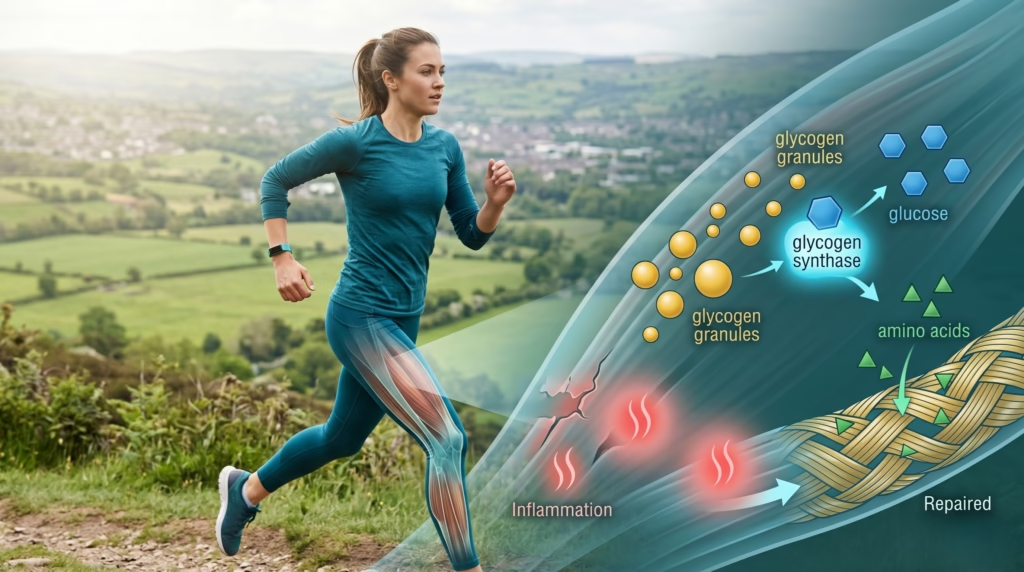
During high-intensity, anaerobic exercise, your body breaks down glucose for rapid energy. This process produces pyruvate, which is subsequently converted into lactate and hydrogen ions ($H^+$) to maintain cellular energy production. The accumulation of these hydrogen ions alters intracellular pH, causing that transient “burn” and temporary muscle fatigue felt during the final repetitions of an exercise bout.
       [High-Intensity Anaerobic Exercise]
                       │
                       ▼
         [Rapid Glucose Breakdown]
                       │
                       ▼
                  [Pyruvate]
                       │
                       ▼
    [Lactate + Hydrogen Ions (H+ Accumulation)]
                       │
                       ▼
       [Intracellular pH Drops (Acidity)]
                       │
                       ▼
 [Transient "Burn" & Temporary Muscle Fatigue]
Crucially, this metabolic shift is highly transient. The vast majority of lactate is cleared from the bloodstream and skeletal muscle tissues within 60 to 90 minutes post-exercise. It is either oxidized back into pyruvate to be used as fuel by the mitochondria or transported via the bloodstream to the liver, where it is converted back into glucose through a biochemical pathway known as the Cori Cycle.
Because metabolic waste clearance occurs so rapidly, it cannot account for the deep mechanical discomfort that sets in 24 to 72 hours later (Bitra & Rajesh, 2021; Mizumura & Taguchi, 2015). Instead, that acute burning sensation serves as an immediate biochemical biofeedback mechanism, signaling a temporary depletion of the local cellular environment.
2. Microscopic Tears and the Inflammatory Cascade
If accumulated metabolic waste does not cause delayed stiffness, what does? The true catalyst is Delayed Onset Muscle Soreness (DOMS), which is fundamentally driven by microscopic structural disruption and a subsequent localized inflammatory response (Bitra & Rajesh, 2021; Mizumura & Taguchi, 2015).
The Mechanics of Eccentric Straining
DOMS is primarily triggered by eccentric muscle contractions—movements where a muscle elongates while under tension, such as running downhill, the lowering phase of a bicep curl, or decelerating during a football sprint (Bitra & Rajesh, 2021; Mizumura & Taguchi, 2015). This mechanical tension places immense strain on individual muscle fibers, leading to microscopic tears in the sarcolemma (the muscle cell membrane) and structural disruptions within the Z-lines of the sarcomeres.
The Influx of Calcium and Proteolytic Pathways
This structural damage initiates a predictable cellular cascade:
- Intracellular Influx: Disruptions in the sarcolemma allow extracellular calcium ions to rush into the muscle cell, disrupting internal calcium homeostasis (Bitra & Rajesh, 2021).
- Enzymatic Activation: This calcium influx activates specific calcium-dependent proteolytic enzymes (proteases), which begin degrading damaged structural proteins within the cell.
- Biochemical Spillage: Intracellular enzymes, such as Creatine Kinase (CK) and lactate dehydrogenase, leak out of the damaged cell membranes and enter the bloodstream (Bitra & Rajesh, 2021; Mizumura & Taguchi, 2015). Clinical sports scientists routinely measure circulating Creatine Kinase levels as a direct biomarker of exercise-induced muscle damage.
The Inflammatory and Nociceptive Response
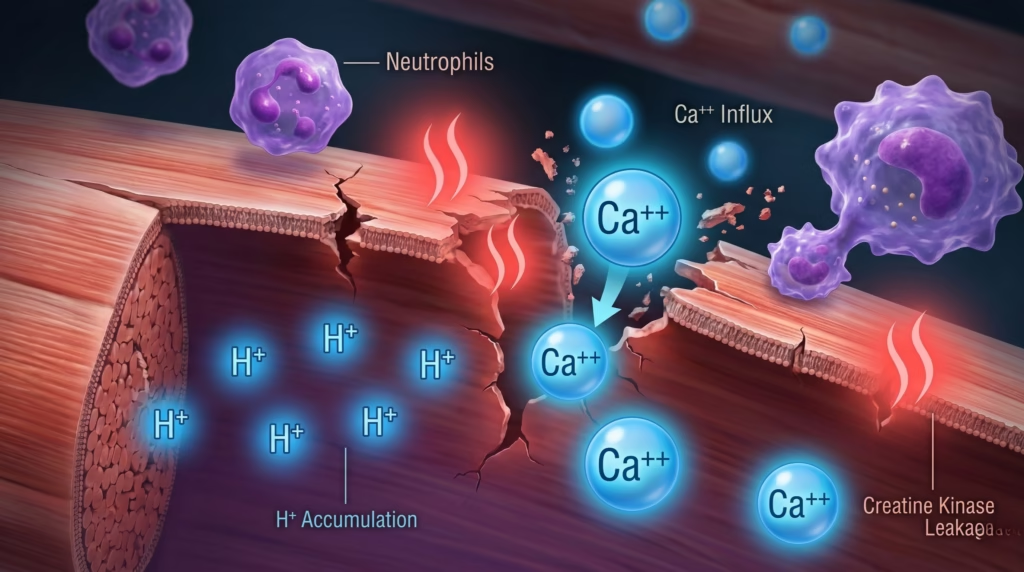
Within hours of this microscopic trauma, the body initiates a localized inflammatory cascade (Bitra & Rajesh, 2021; Smith, 1991). Neutrophils and pro-inflammatory macrophages migrate to the site of damage to clear away cellular debris. This immune response synthesizes prostaglandins, histamines, and neurotrophic factors like Nerve Growth Factor (NGF) and Glial Cell Line-Derived Neurotrophic Factor (GDNF) (Bitra & Rajesh, 2021; Mizumura & Taguchi, 2015).
These chemical substances accumulate in the extracellular matrix, generating osmotic pressure and directly sensitizing muscle nociceptors (pain receptors) (Bitra & Rajesh, 2021; Mizumura & Taguchi, 2015). This timeline explains why DOMS follows a distinct delayed pattern—it takes time for this complex biochemical cascade to mature, typically peaking between 24 and 72 hours post-exercise before gradually dissipating over several days (Bitra & Rajesh, 2021; Mizumura & Taguchi, 2015).
3. Glycogen Resynthesis: Restocking the Cellular Fuel Tank
While structural components are undergoing repair, the muscle cell must also restore its primary energy reserves. Carbohydrates are stored within skeletal muscle tissue and the liver as a highly branched polysaccharide known as glycogen (Jensen et al., 2011). Prolonged or intense physical activity depletes these glycogen reserves, which directly correlates with the onset of profound neuromuscular fatigue (Alghannam et al., 2018; Jensen et al., 2011).
Restoring these fuel reserves depends on a rate-limiting enzyme called glycogen synthase (Nielsen & Wojtaszewski, 2004; Obel et al., 2012). Immediately following a workout, the body enters a highly receptive metabolic window where glycogen synthase activity is markedly upregulated (Nielsen & Wojtaszewski, 2004). This post-exercise activation occurs via insulin-independent pathways, meaning the muscle cells can rapidly pull glucose from the bloodstream to rebuild glycogen structures even without high insulin levels (Nielsen & Wojtaszewski, 2004; Jensen et al., 2011).
   [Exercise Ends: Glycogen Stores Depleted]
                      │
                      ▼
   [Upregulation of Glycogen Synthase Enzyme]
                      │
                      ▼
 [Insulin-Independent Glucose Uptake via GLUT4 Transporters]
                      │
                      ▼
  [Subsequent Transition to Insulin-Dependent Synthesis]
                      │
                      ▼
    [Complete Glycogen Replenishment (24–48 Hours)]
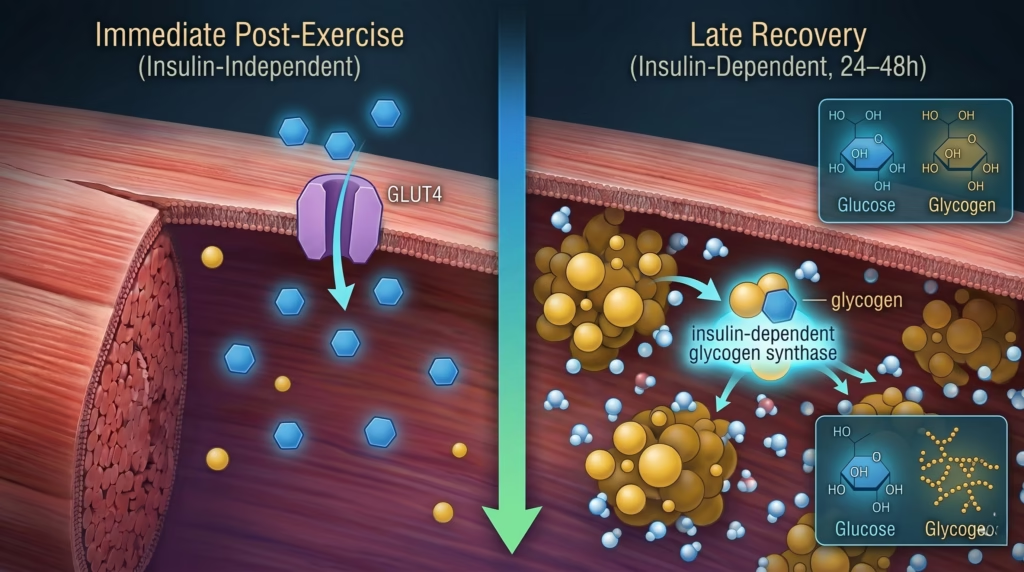
Nutritional modulation plays a decisive role in this biochemical recovery process. Research demonstrates that consuming high-glycemic carbohydrates at a rate of maximizes muscle glycogen repletion during short-term recovery windows (Alghannam et al., 2018). If carbohydrate intake is sub-optimal, co-ingesting a high-quality protein source can help accelerate glycogen resynthesis by stimulating a more robust insulin response (Alghannam et al., 2018).
Furthermore, glycogen synthesis is fundamentally an osmoregulatory process; every single gram of intramuscular glycogen stored requires approximately 3 to 4 grams of water to bind alongside it (López-Torres et al., 2023). Chronic dehydration or hyperthermia impairs this fluid balance, slowing glycogen resynthesis and delaying overall functional recovery (López-Torres et al., 2023).
4. Evidence-Based Recovery Strategies: The Physiotherapy Connection
Understanding recovery at a cellular level allows us to critically evaluate common recovery modalities. In clinical physiotherapy practice, the goal is to safely support the body’s natural biochemical adaptations while managing excessive discomfort and restoring functional range of motion.
| Recovery Modality | Primary Biochemical Mechanism | Clinical Application & Timing |
| Active Recovery (Low-Intensity) | Enhances localized capillary blood flow without adding mechanical stress; maintains baseline tissue oxygenation. | Ideal within 1–12 hours post-exercise; gentle cycling or walking to maintain circulatory efficiency. |
| Contrast Water Therapy (CWT) | Alternating vasoconstriction and vasodilation creates a vascular “pumping” effect to manage local edema (Wiecha et al., 2024). | Used within 24 hours to alleviate subjective sensations of stiffness and perception of pain. |
| Targeted Foam Rolling / Massage | Induces mechanical pressure that may alter interstitial fluid dynamics and downregulate nociceptive sensitivity. | Applied during the peak DOMS window (24–48 hours) to restore functional myofascial compliance. |
Active Recovery vs. Complete Immobilization
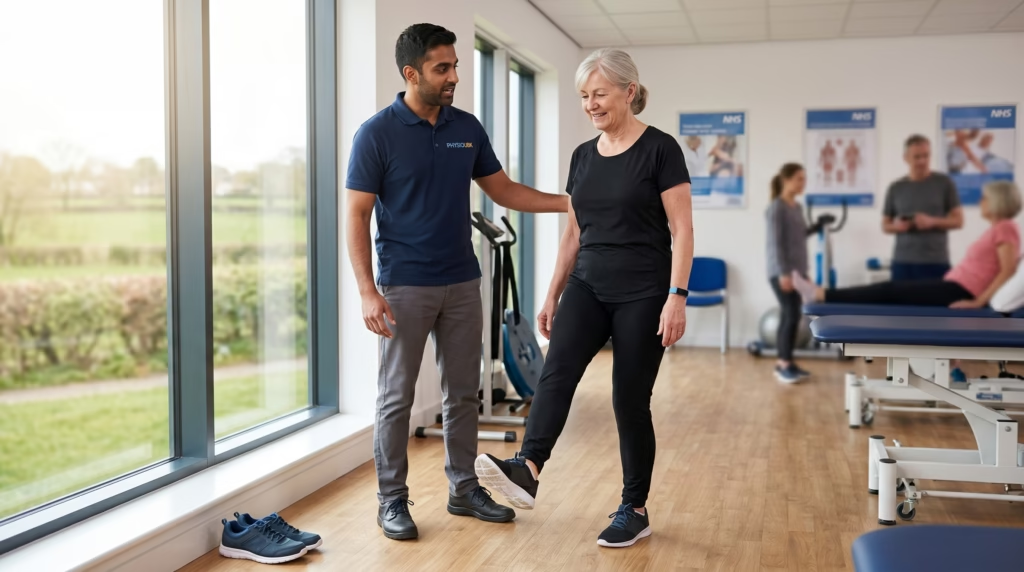
Complete rest and immobilization frequently stall the recovery process. Low-intensity active recovery—such as light walking, swimming, or easy cycling—promotes continuous capillary blood flow to the recovering muscle groups. This steady circulation ensures a consistent supply of oxygen and essential amino acids to damaged cells while assisting in the gentle regulation of the interstitial fluid surrounding irritated nerve endings.
Cold-Water Immersion: A Biochemical Double-Edged Sword
Cold-water immersion (ice baths) is widely used to blunt acute inflammation and mitigate severe DOMS. Lowering tissue temperature induces profound vasoconstriction, which limits the infiltration of pro-inflammatory cells and reduces secondary tissue swelling.
However, from an adaptation standpoint, this can be a double-edged sword. While reducing acute inflammation can accelerate performance readiness for tournament-style events, blunting the natural inflammatory cascade can attenuate the long-term cellular signaling path required for muscle hypertrophy and mitochondrial adaptation. Therefore, ice baths should be used strategically based on an individual’s immediate goals (e.g., rapid tournament turnaround versus long-term strength adaptation).
Conclusion & Next Steps
Muscle recovery is not a passive period of inactivity; it is an energy-demanding, biochemically active process of structural remodeling and fuel replenishment. By understanding that structural micro-tears drive delayed soreness while glycogen resynthesis demands strategic hydration and nutritional support, amateur athletes can make more informed choices about their training regimens.
Prioritizing structured sleep, calculated post-exercise nutrition, and targeted active recovery allows you to work alongside your body’s biochemistry rather than against it.
If you are currently recovering from an injury, experiencing atypical pain that persists beyond the normal 72-hour DOMS window, or seeking a personalized training and recovery program tailored to your unique biomechanics, consider consulting a certified professional. A Chartered Physiotherapist can conduct a comprehensive physical assessment and design an evidence-based rehabilitation program aligned with your physiological needs.
Author Profile
The PhysioUBK Editorial Team
Physioubk.com is a dedicated digital platform specializing in evidence-based musculoskeletal health, clinical exercise biochemistry, and professional rehabilitation strategies. By bridging the gap between intricate laboratory science and practical, real-world physical therapy, we empower athletes, clinicians, and patients globally to optimize physical function and long-term health.
References
Alghannam, A. F., Gonzalez, J. T., & Betts, J. I. (2018). Restoration of muscle glycogen and functional capacity: Role of post-exercise carbohydrate and protein co-ingestion. Nutrients, 10(2), 253. https://doi.org/10.3390/nu10020253
Cited by: 184
Bitra, M., & Rajesh, P. (2021). Mechanism and theories for delayed onset of muscle soreness in athletes. International Journal of Scientific Advances, SP(1), 5–9. https://doi.org/10.51542/ijscia.spi1.02
Cited by: 9
Jensen, J., Rustad, P. I., Kolnes, A. J., & Lai, Y. C. (2011). The role of skeletal muscle glycogen breakdown for regulation of insulin sensitivity by exercise. Frontiers in Physiology, 2, 112. https://doi.org/10.3389/fphys.2011.00112
Cited by: 672
López-Torres, O., Rodríguez-Longobardo, C., Escribano-Tabernero, R., & tenderness-Elías, V. E. (2023). Hydration, hyperthermia, glycogen, and recovery: Crucial factors in exercise performance—A systematic review and meta-analysis. Nutrients, 15(20), 4442. https://doi.org/10.3390/nu15204442
Cited by: 36
Mizumura, K., & Taguchi, T. (2015). Delayed onset muscle soreness: Involvement of neurotrophic factors. The Journal of Physiological Sciences, 66(1), 43–52. https://doi.org/10.1007/s12576-015-0397-0
Cited by: 238
Nielsen, J. N., & Wojtaszewski, J. F. P. (2004). Regulation of glycogen synthase activity and phosphorylation by exercise. Proceedings of the Nutrition Society, 63(2), 233–237. https://doi.org/10.1079/pns2004348
Cited by: 71
Cold-water immersion is another popular clinical modality used to alter post-exercise tissue biochemistry. Cold temperatures induce vasoconstriction, reducing blood flow to limit the initial post-exercise inflammatory response. By lowering local tissue temperature, cryotherapy slows down the metabolic rate of surrounding cells, protecting them from secondary hypoxic damage. This targeted reduction in inflammation can help minimize perceived muscle soreness in high-performance athletes.
Author Profile
The PhysioUBK Editorial Team
The Author name is Ayesha Tariq. She is Analytical Chemist. She is M.Phil. in Analytical chemistry.
Physioubk.com is a dedicated digital platform specializing in evidence-based musculoskeletal health, clinical exercise biochemistry, and professional rehabilitation strategies. By bridging the gap between intricate laboratory science and practical, real-world physical therapy, we empower athletes, clinicians, and patients globally to optimize physical function and long-term health.
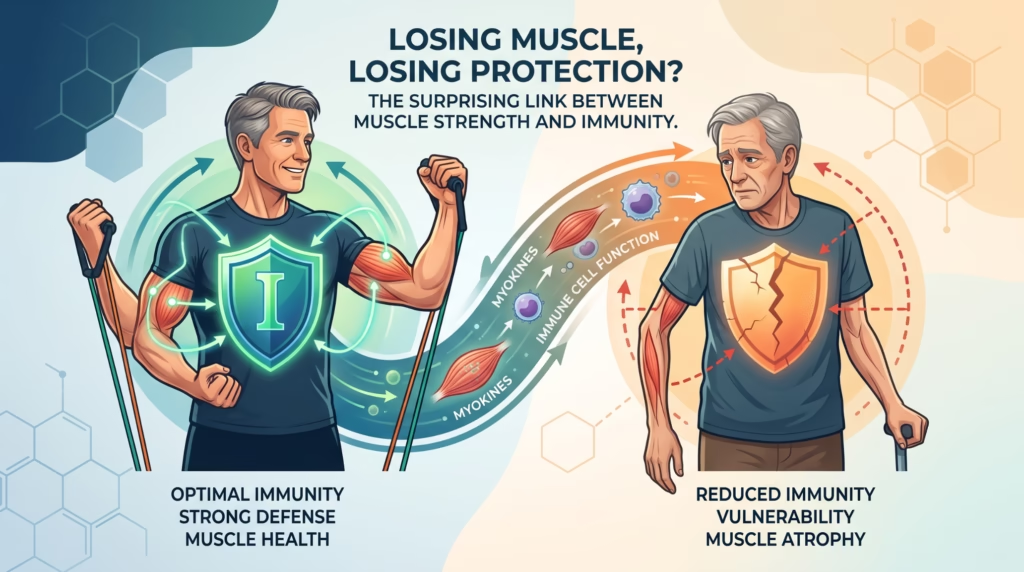
Losing Muscle, Losing Protection? The Surprising Link Between Muscle Strength and Immunity
When most people think of the immune system, they picture white blood cells, lymph nodes,…

Sleep Better, Think Better: Can a 20-Minute Workout Undo a Sleepless Night?
Waking up after a sleepless night of tossing and turning feels like trying to operate…
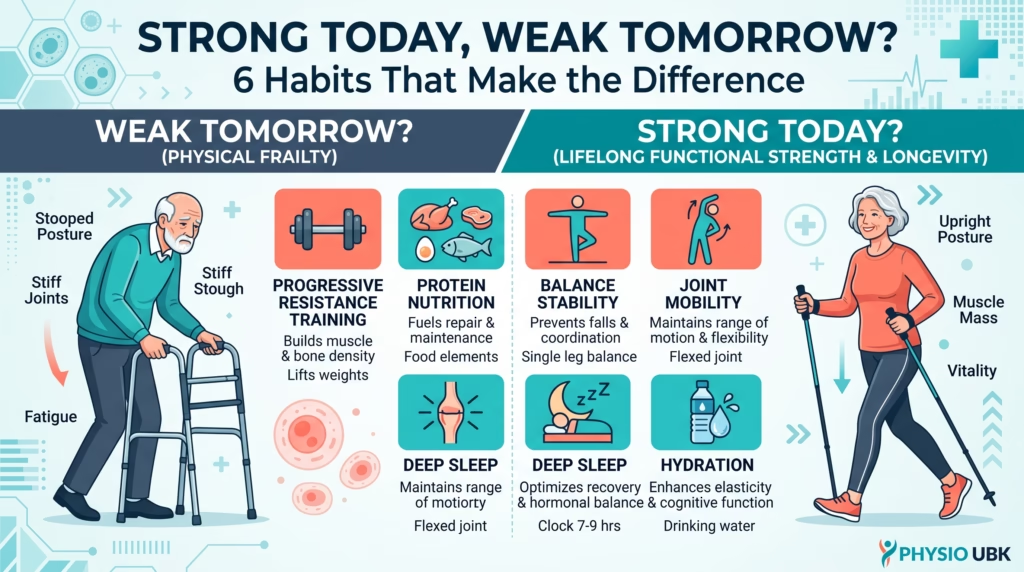
Strong Today, Weak Tomorrow? 6 Habits That Make the Difference
Physical strength often feels permanent when we have it. When you can effortlessly carry heavy…

The 5 Best Deep Core Exercises for Chronic Lower Back Pain
Lower back pain is the leading cause of disability worldwide. Millions of people wake up…

Better Posture, Less Pain: 7 Bad Habits That Are Hurting Your Spine
In our modern world, back and neck pain have become almost universal human experiences. We…
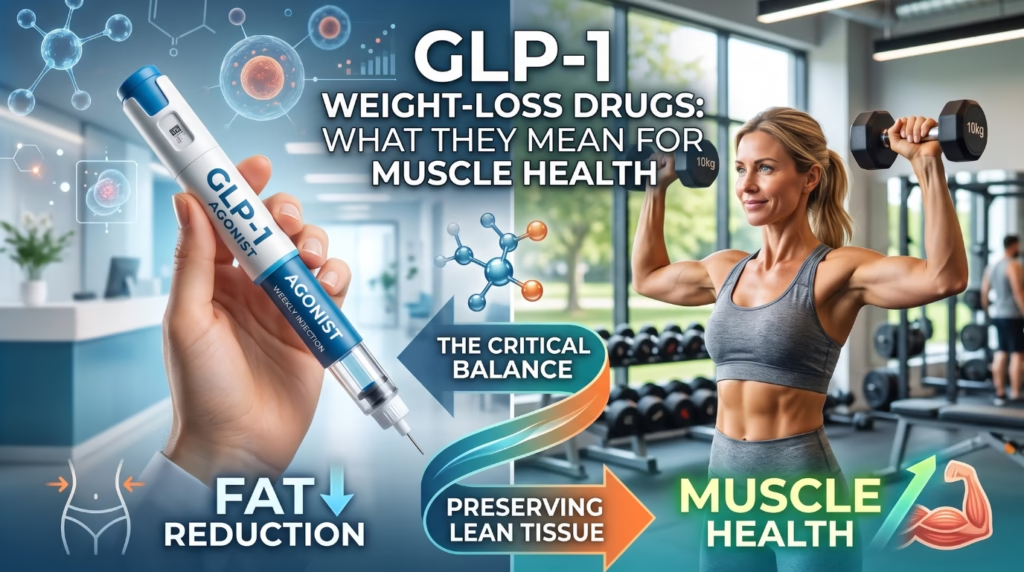
GLP-1 Weight-Loss Drugs: What They Mean for Muscle Health
The landscape of metabolic medicine and weight management has undergone a historic transformation. Medications like…