

If you are reading this, chances are you know the exact, agonizing sensation of sciatica. It might start as a dull, throbbing ache in your lower back or glute, but within days, it transforms into a sharp, electric shock shooting straight down your thigh, past your knee, and into your calf. For office workers spending eight hours a day pinned to a desk chair, or active fitness enthusiasts trying to power through their weekly workouts, sciatica can completely derail daily life.
Because sciatica is incredibly common, the internet is flooded with conflicting advice. One website tells you to rest in bed; another tells you to power through aggressive stretches. Unfortunately, much of this mainstream advice is not just outdated, it is flat-out wrong.
As physical therapists, we spend a significant amount of time helping patients unlearn dangerous misconceptions that actually prolong their pain. Let’s set the record straight by busting the seven biggest sciatica myths once and for all, and look at what you should be doing instead to find lasting relief.
What is Sciatica, Really? (A Quick Anatomy Primer)
Before we dive into the myths, we need to understand what we are dealing with. Sciatica is not a medical diagnosis; it is a symptom.
The sciatic nerve is the largest and longest nerve in the human body. It originates in your lower back (lumbar spine), travels deep through your buttocks, and branches down the back of each leg all the way to your feet. When the root of this nerve is compressed, irritated, or inflamed, usually due to a bulging or herniated disc, spinal narrowing (stenosis), or a tight piriformis muscle, it triggers the radiating pain known as sciatica.
Now that we know what it is, let’s look at what it isn’t.
Myth 1: “Sciatica is a permanent spine disease”
When the pain is severe, it is easy to assume that your back is permanently damaged. Many patients walk into the clinic convinced that a single episode of sciatica means they have a lifelong chronic disease.
The Truth
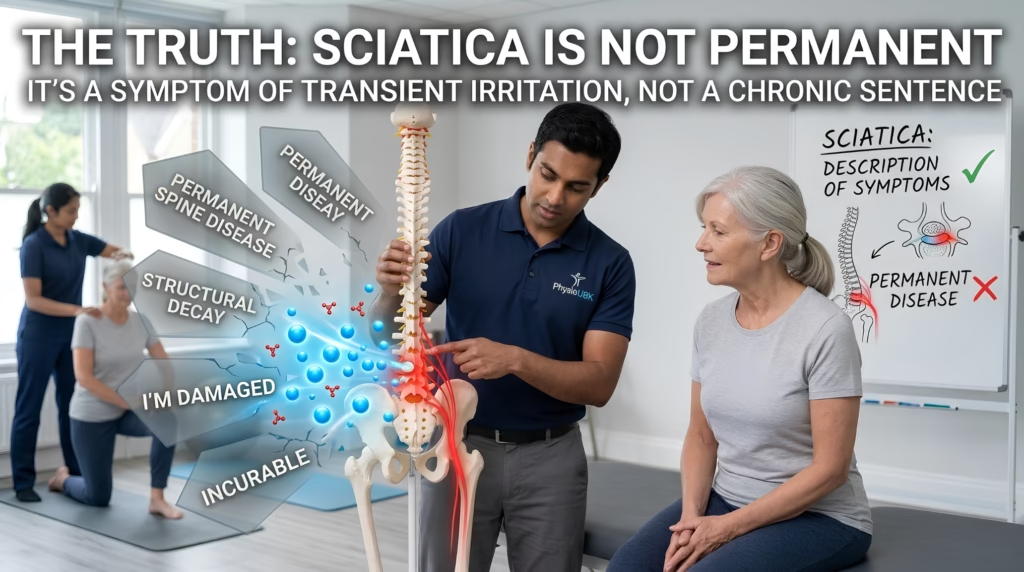
Sciatica is highly treatable and, in the vast majority of cases, entirely temporary. The human body possesses an incredible capacity to heal itself. When a spinal disc bulges and irritates a nerve root, the body initiates a natural inflammatory cleanup process. Over a period of weeks or months, that disc bulge often shrinks, the inflammation subsides, and the pressure on the sciatic nerve is relieved. Sciatica is a temporary mechanical problem, not a permanent life sentence.
Myth 2: “Strict bed rest is the best cure for sciatica”
It seems logical: if moving hurts, staying completely still must be the answer. For decades, traditional medical advice recommended climbing into bed and staying there until the pain disappeared.
The Truth
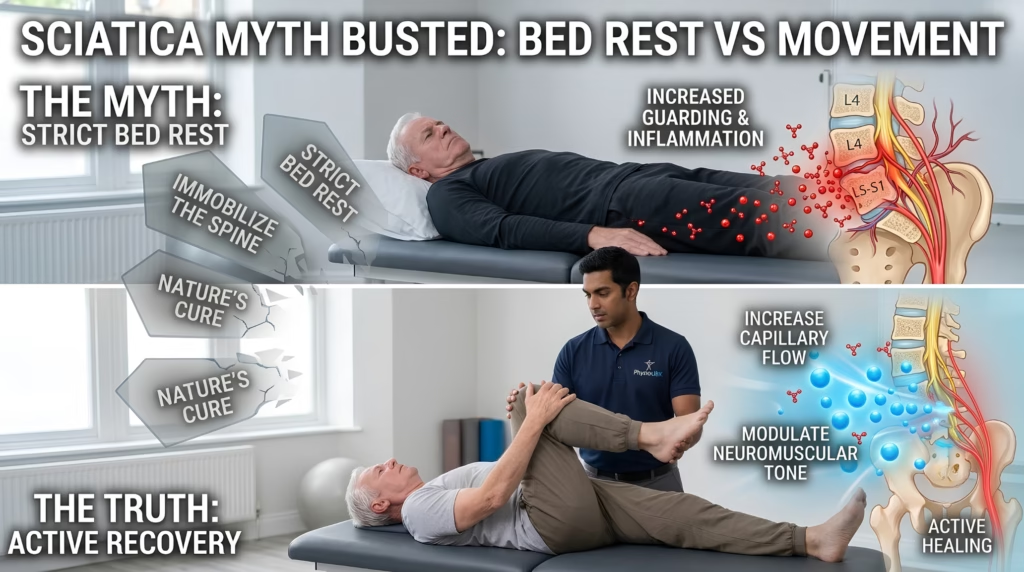
Prolonged bed rest is one of the worst things you can do for sciatica. When you remain sedentary for days at a time, the muscles supporting your spine begin to stiffen and weaken. Furthermore, blood flow to the affected nerve drops, slowing down the delivery of oxygen and healing nutrients.
While resting for the first 24 to 48 hours during an acute flare-up is fine, you should transition to gentle movement as soon as possible. Short, frequent walks on flat surfaces keep your muscles active, reduce inflammation, and naturally decompress the nerve.
Myth 3: “Aggressive hamstring stretching will release the nerve”
Because the pain shoots down the back of the leg, it feels exactly like a severely tight hamstring. Naturally, fitness enthusiasts and office workers alike attempt to fix it by propping their foot up on a chair and bending forward to stretch the back of their leg.
The Truth
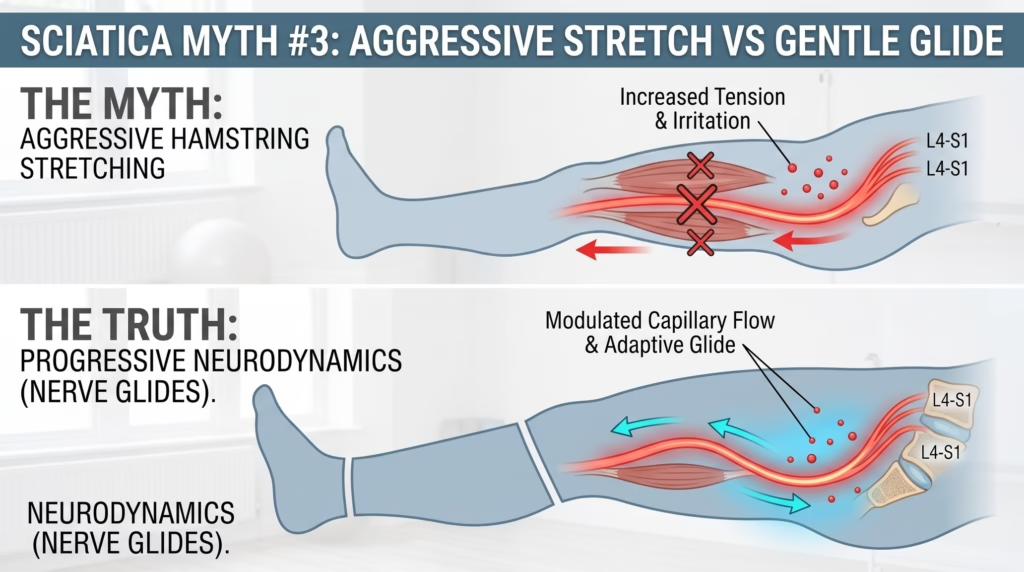
If your pain is caused by sciatica, aggressive hamstring stretching will make it worse. When you pull your toes toward your face and lean forward, you aren’t just stretching the muscle, you are putting maximum tension on an already irritated, inflamed sciatic nerve. Think of it like pulling tightly on both ends of an injured rubber band.
Instead of static stretching, physical therapists utilize nerve flossing (or nerve gliding). This gentle technique allows the nerve to slide smoothly through its surrounding tissues without putting tension on it, reducing irritation and restoring mobility.
Myth 4: “You need a scan (MRI or X-ray) before starting treatment”
Many people believe they cannot begin physical therapy or recovery until they get an MRI or X-ray to see exactly what is happening inside their back.
The Truth
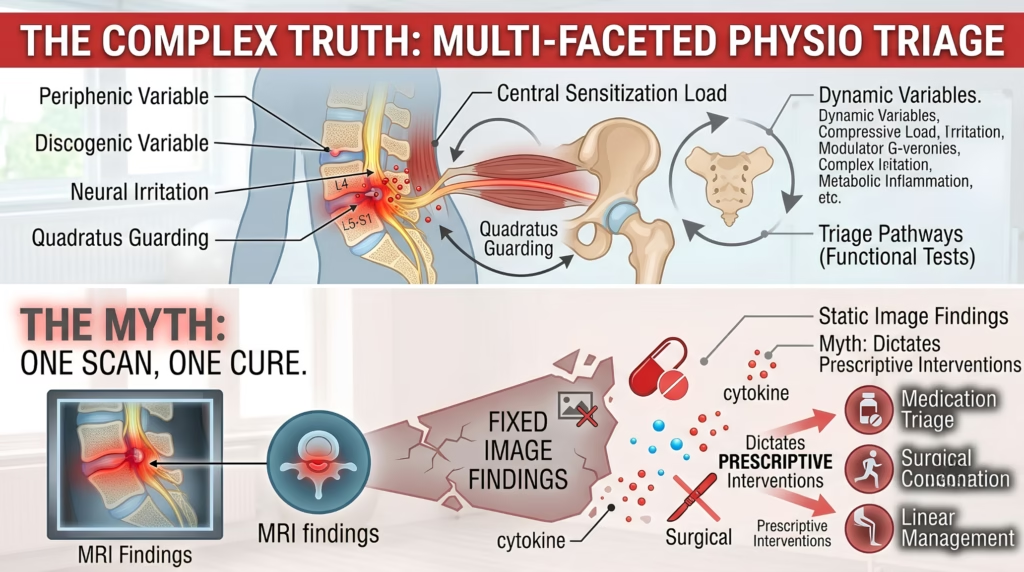
You do not need an MRI to start getting better. In fact, rushing to get an advanced scan can sometimes delay your recovery. Studies have shown that if you take an MRI of 100 perfectly healthy adults over the age of 30 who have zero back pain, more than half of them will show disc bulges or degenerative changes.
Scans show structure, but they don’t always tell the full story of your pain. A physical therapist can perform a comprehensive physical and neurological exam to identify the mechanical cause of your sciatica and safely start targeted treatment right away. MRIs are typically reserved for cases that do not improve after several weeks of conservative care or if specific “red flag” symptoms are present.
Myth 5: “Surgery is the only definitive way to fix sciatica”
When sciatic pain is intense enough to disrupt sleep and work, it is easy to think that a surgeon needs to step in and cut away the problem.
The Truth
Up to 80% to 90% of sciatica patients recover completely without ever needing surgery. High-quality physical therapy, targeted exercises, activity modification, and temporary anti-inflammatory management are highly effective at resolving the underlying compression. Surgery is an important and necessary option for a small percentage of cases, such as those involving progressive muscle weakness or severe neurological compromise, but it should rarely be the first line of defense.
Myth 6: “Sciatica is always caused by a herniated disc”
Because herniated discs are the most widely discussed cause of sciatica, many patients assume their spine is inherently unstable or broken.
The Truth
While lumbar disc herniations are a common culprit, sciatica can be triggered by several different structures along the nerve’s path. For instance, Piriformis Syndrome occurs when a small muscle deep in your buttocks compresses the sciatic nerve. This is incredibly common in office workers who sit for long hours, as the prolonged pressure directly irritates the muscle and nerve. Sciatica can also be caused by spinal stenosis (narrowing of the bone canals) or simple localized joint inflammation in the lower back. Treatment must be customized based on the exact source of irritation.
Myth 7: “If the pain goes away, your sciatica is completely cured”
You do a few exercises, take a short break from heavy lifting, and the radiating leg pain completely disappears. It’s tempting to assume you are 100% healed and return immediately to your old habits.
The Truth
The absence of pain does not automatically mean the structural or mechanical issue is fully resolved. Pain is often the first symptom to go away as acute inflammation decreases, but underlying issues like core muscle weakness, poor pelvic stability, and improper sitting posture may still remain. If you return to heavy lifting or poor desk ergonomics without addressing these root imbalances, your sciatica is highly likely to flare up again. True recovery means rebuilding your body’s resilience to prevent future issues.
What You Should Do Instead: The Roadmap to Recovery
If you are currently managing sciatica, stop applying random internet fixes and focus on these three safe, proven steps:
1. Modify Your Posture (Especially at Work)
If you are an office worker, sitting compresses your lumbar discs and puts direct pressure on the piriformis muscle. Use a small lumbar roll to support the natural curve of your lower back, keep your feet flat on the floor, and set a timer to stand up, stretch, or walk for 2 minutes every half hour.
2. Practice Gentle Core Stabilization
Instead of twisting or doing heavy crunches (which compress the discs further), focus on neutral spine exercises. Gentle movements like the “Bird-Dog” or pelvic tilts help activate the deep abdominal and back muscles that protect your nerve roots from compression.
3. Move Dynamically
Incorporate gentle walking and low-impact movement into your day. If a specific movement or exercise causes a sharp pain to shoot further down your leg (peripheralization), stop immediately. If a movement causes the leg pain to retreat back up toward your lower back (centralization), that is a sign the nerve pressure is decreasing and you are moving in the right direction.
Summary Table: Myths vs. Truths
| The Myth | The Clinical Reality |
| 1. Sciatica is permanent. | It is a temporary mechanical issue that resolves well with proper care. |
| 2. You need strict bed rest. | Movement boosts blood flow and speeds up healing; rest should be minimal. |
| 3. Stretch your hamstrings. | Aggressive hamstring stretching pulls on the nerve and worsens inflammation. |
| 4. Get an MRI first. | Clinical exams are highly effective; scans are rarely needed immediately. |
| 5. Surgery is inevitable. | The vast majority of cases resolve completely with conservative physical therapy. |
| 6. It’s always a disc issue. | Muscle tightness (like Piriformis Syndrome) or joint inflammation can also cause it. |
| 7. No pain means fully cured. | Lasting relief requires rebuilding core strength and fixing poor movement habits. |
Take Control of Your Recovery
Sciatica can be incredibly frustrating, but understanding how the nerve behaves gives you the power to heal safely. Avoid the traps of unnecessary bed rest and aggressive stretching, and focus on gradual, controlled movement.
If your sciatica is accompanied by severe muscle weakness (like your foot dragging on the floor), numbness in your groin area, or changes in bowel or bladder control, seek immediate medical attention, as these indicate a medical emergency.
For persistent or severe sciatica, a personalized assessment by a professional physical therapist like Dr. Usman Barkat, is the fastest way to map out an effective, pain-free recovery plan tailored to your body. For deep-dive clinical advice or to find advanced care options at Tariq Medicare Khanewal, stay connected to our updated medical platform.
Book your appointment now with Dr. Usman Barkat to treat your sciatica!

Runner’s Knee Exercises: 8 Physio-Approved Moves for Stronger Knees
Here’s the secret about runner’s knee that surprises most of my patients: the problem is…
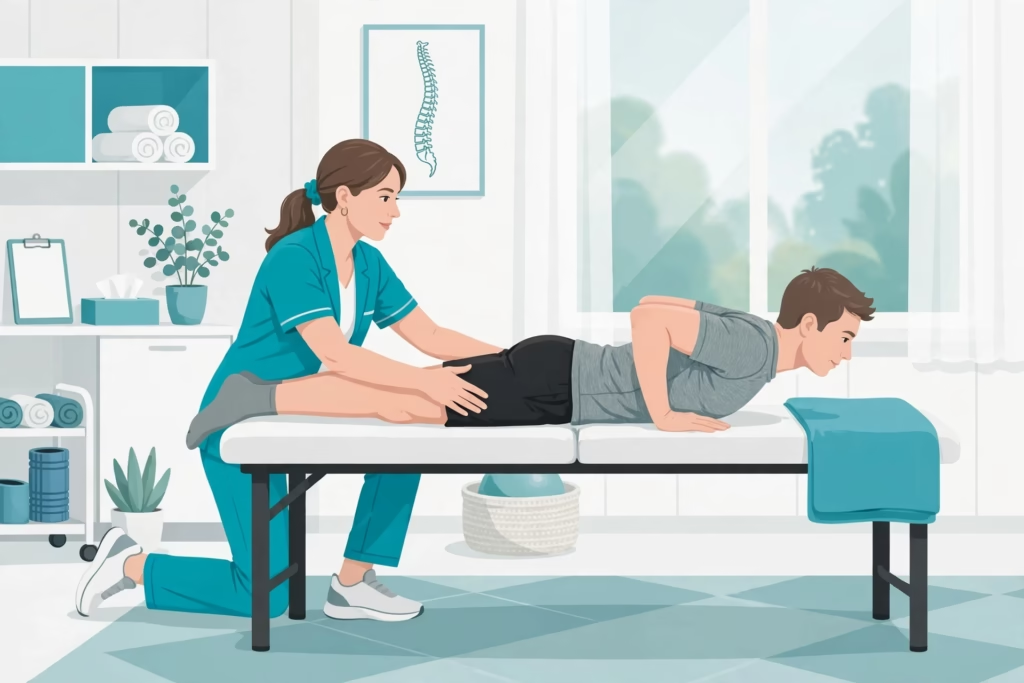
Sciatica Exercises: A Physiotherapist’s Complete Guide
“Which exercises should I do for my sciatica?” It’s the question I get most, and…

Seated Exercises for Obesity: A Safe Starting Guide
Most exercise advice starts with an assumption: that you can stand up, walk out the…
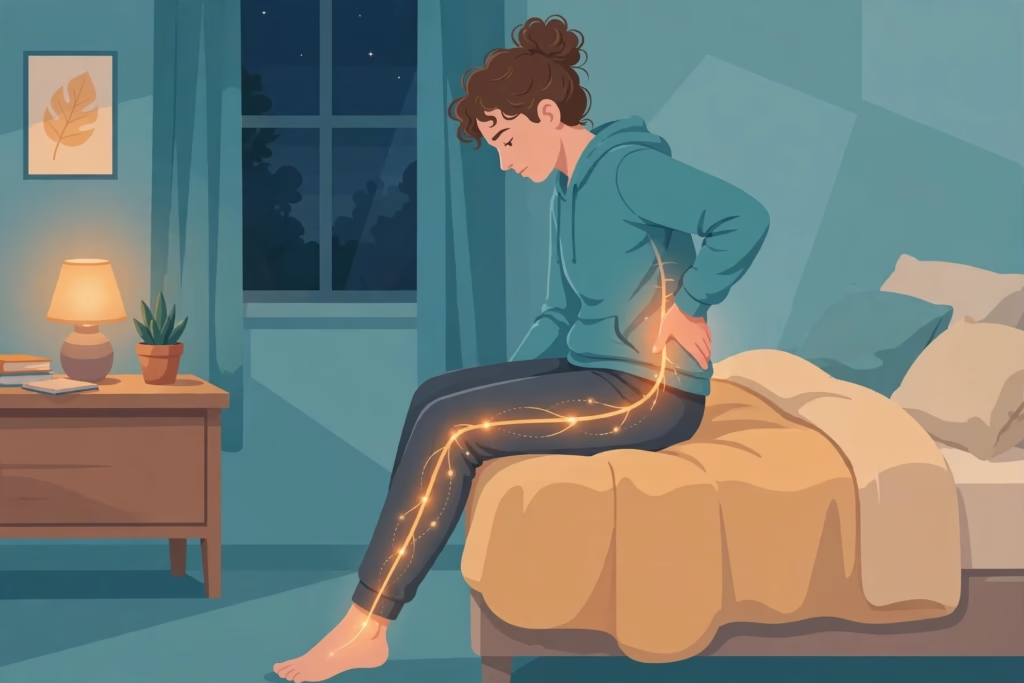
Immediate Relief for Sciatica Pain: 7 Things That Actually Work
It’s 2 AM, a sharp electric pain is shooting from your buttock down to your…

Tech Neck: 5 Desk Habits That Hurt Your Neck
Your head weighs about 5 kg. Tilt it forward 60 degrees to look at your…
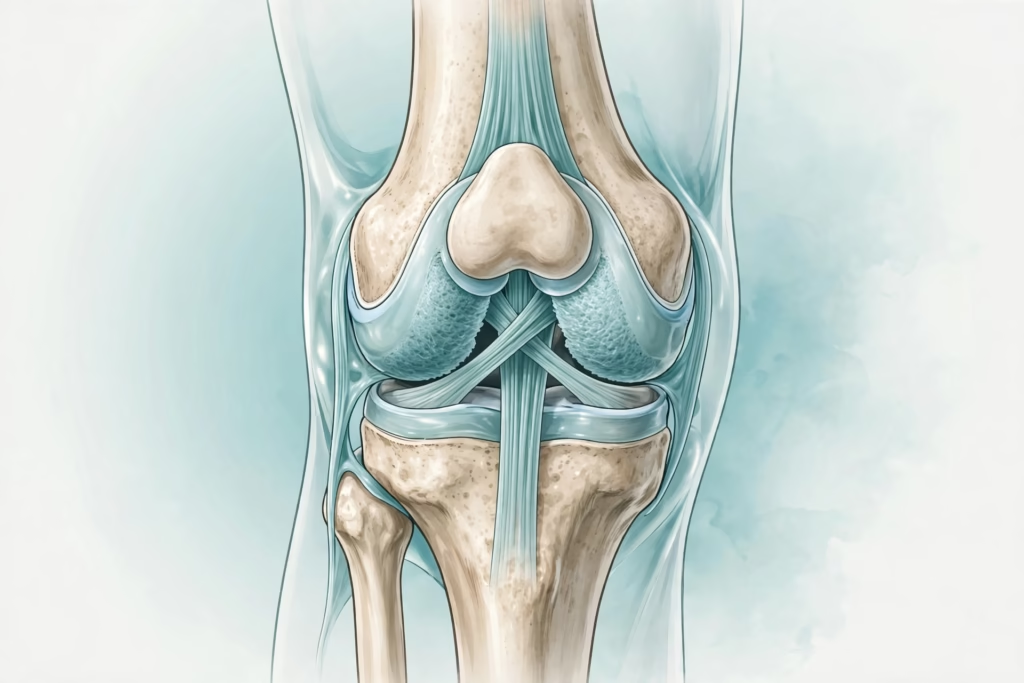
Knee Pain Treatment in Khanewal: Walk, Climb, and Squat Without Fear
A few weeks ago a schoolteacher in her early fifties walked into my clinic and…