
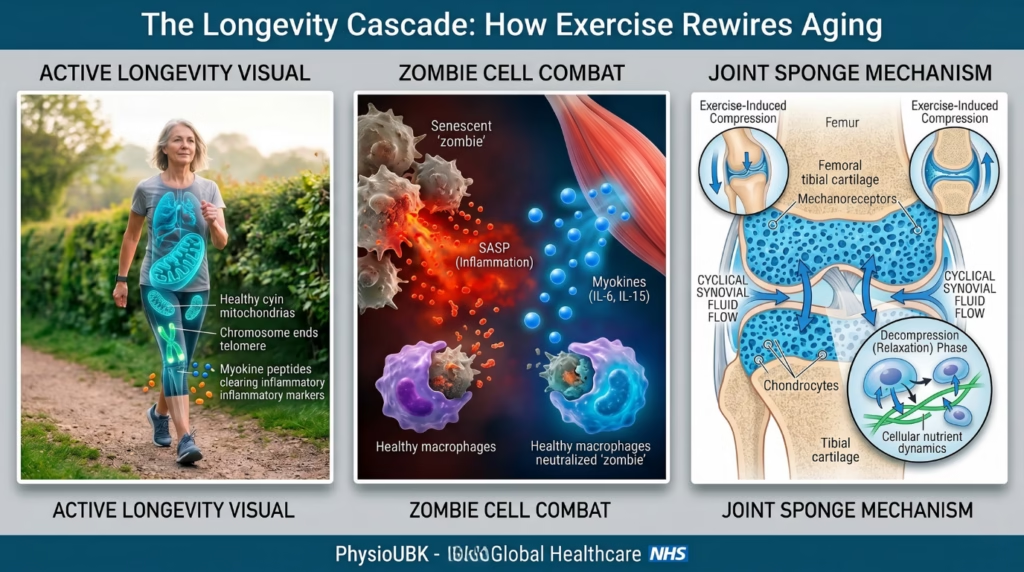
For many older adults, the physical signs of aging are often viewed as an unavoidable, linear decline. We tend to measure aging by what we can see or feel externally: a loss of joint flexibility, reduced muscular strength, or a slower recovery after physical exertion. In clinical spaces, these changes are frequently discussed in terms of functional limitations or age-related conditions like osteoarthritis and sarcopenia.
However, the true drivers of physical aging operate far beneath the surface. True biological aging is dictated by a shifting landscape of biochemical signals and cellular vulnerabilities.
Excitingly, modern sports medicine and molecular biology have revealed that this decline is not entirely fixed. Physical exercise acts as a powerful behavioral intervention capable of altering genetic expression and cellular function. This article explores the deep relationship between aging, exercise, and molecular health, breaking down how structured physical activity counters cellular senescence, optimizes mitochondrial function, preserves chromosomal integrity, and protects joint longevity.
1. Cellular Senescence and the “Inflammtion” Cascade
One of the primary hallmarks of biological aging is the accumulation of senescent cells—often referred to in molecular biology as “zombie cells.” As cells replicate over a lifetime, they eventually reach a point where they can no longer divide safely due to DNA damage or metabolic stress. Instead of undergoing programmed cell death (apoptosis), these cells enter a permanent state of growth arrest known as cellular senescence.
       [Accumulated Lifetime Cellular Replication & Stress]
                                │
                                ▼
                   [Cellular Senescence Entry]
                                │
                                ▼
         [Secretion of SASP (Pro-inflammatory Factors)]
                                │
                                ▼
       [Degradation of Surrounding Extracellular Matrix]
                                │
                                ▼
       [Systemic "Inflammaging" & Accelerated Tissue Decay]
While senescent cells stop dividing, they remain highly metabolically active. They secrete a toxic blend of pro-inflammatory cytokines, chemokines, and matrix-degrading proteases collectively known as the Senescence-Associated Secretory Phenotype (SASP). This chronic, low-grade, systemic inflammation is often termed “inflammaging.” SASP factors gradually degrade the surrounding extracellular matrix and corrupt healthy neighboring cells, driving tissue decay across the musculoskeletal system.
Regular, structured exercise serves as a potent systemic countermeasure to this cascade. During muscle contraction, skeletal tissue functions as an endocrine organ, synthesizing and releasing signaling peptides called myokines (such as Interleukin-6, which dynamically regulates systemic inflammation, and Interleukin-15). These exercise-induced myokines communicate directly with the immune system, stimulating natural killer cells and macrophages to target, clear, and remove senescent cells from local tissues. By reducing the senescent cell burden, exercise effectively suppresses the production of SASP, dampening systemic inflammaging and preserving the structural health of surrounding tissues.
2. Mitochondrial Decay and the Energetics of Aging
Every movement we make relies on adenosine triphosphate (ATP), the universal energy currency of the body. ATP is produced by the mitochondria, the specialized powerhouses residing within our cells. Unfortunately, mitochondrial dysfunction is a core component of age-related physical decline.
With advancing age, mitochondria experience a progressive loss of structural integrity and a decline in respiratory chain efficiency. This structural decay reduces ATP production while causing a substantial increase in the leakage of Reactive Oxygen Species (ROS)—highly unstable molecules that cause oxidative damage to cellular lipids, proteins, and DNA. This state of chronic oxidative stress creates a damaging cycle: leaking ROS further damages mitochondrial DNA, compounding energy depletion and accelerating cellular death.
Exercise directly interrupts this destructive loop by triggering a survival mechanism known as mitochondrial biogenesis—the creation of new, healthy mitochondria within the cell. This pathway is heavily governed by a master regulatory protein called PGC-1α (Peroxisome proliferator-activated receptor-gamma coactivator 1-alpha).
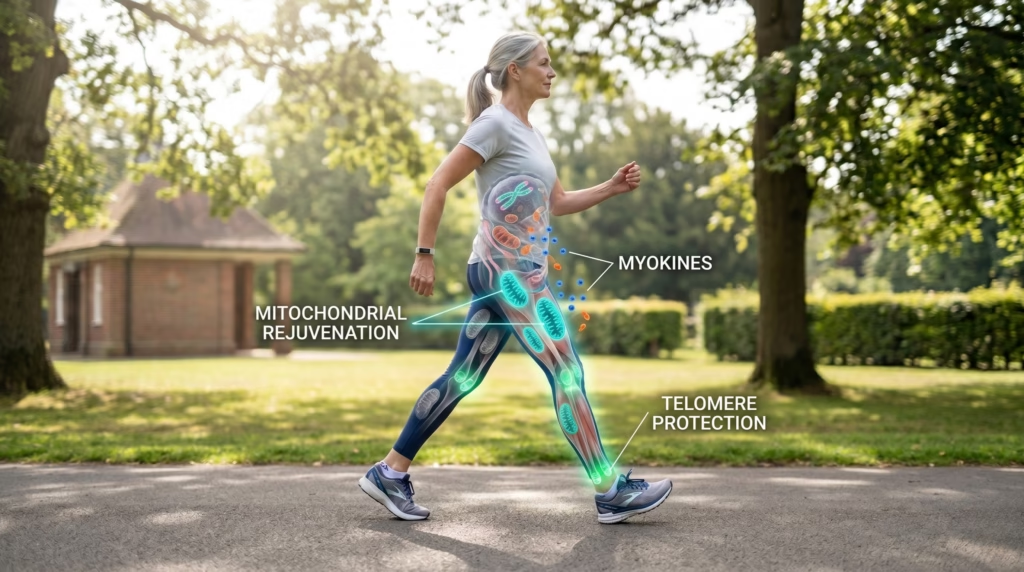
When muscles contract during aerobic or resistance training, the temporary depletion of ATP activates metabolic sensors like AMPK (adenosine monophosphate-activated protein kinase). AMPK directly upregulates PGC-1α, which orchestrates the transcription of new mitochondrial components. Simultaneously, exercise activates mitophagy, a selective quality-control process that isolates and degrades worn-out, leaking mitochondria. By replacing damaged powerhouses with highly efficient ones, exercise restores cellular energy production, minimizes ROS leakage, and rejuvenates the bioenergetic capacity of aging musculoskeletal tissues.
3. Telomere Attrition and Epigenetic Remodeling
At the deepest level of cellular architecture, physical activity influences the structures that protect our genetic code: telomeres. Telomeres are repetitive nucleotide sequences located at the terminal ends of our chromosomes, acting much like the protective plastic caps on the ends of shoelaces. Each time a cell divides, its telomeres shorten. Once telomeres reach a critically short length, the cell loses structural stability, triggering DNA damage responses and forcing the cell into senescence or death.
   [Sedentary Aging & Chronic Stress]         [Regular, Structured Exercise]
                 │                                        │
                 ▼                                        ▼
    [Rapid Telomere Shortening]               [Upregulation of Telomerase]
                 │                                        │
                 ▼                                        ▼
   [Chromosomal Instability & Decay]        [Telomere Length & Caps Preserved]
                 │                                        │
                 ▼                                        ▼
    [Accelerated Biological Aging]             [Extended Cellular Longevity]
Clinical longevity studies show a strong link between physical inactivity and accelerated telomere shortening. Conversely, consistent physical exercise helps maintain telomere length by upregulating telomerase, an enzyme complex capable of adding protective DNA repeats back onto the ends of chromosomes.
Beyond structural chromosomal protection, exercise drives profound epigenetic remodeling. While our core DNA sequence remains unchanged throughout life, aging causes a progressive accumulation of erratic chemical tags—such as abnormal DNA methylation and histone modifications—that can mistakenly silence protective longevity genes or activate inflammatory ones. Physical training helps restore youthful epigenetic patterns, ensuring that genes responsible for metabolic health, tissue repair, and anti-inflammatory pathways remain active and functional.
4. Protecting Joint Health: Chondrocyte Dynamics in Osteoarthritis
For older adults, these abstract molecular pathways manifest directly in the health of weight-bearing joints. Osteoarthritis, long mischaracterized as simply “wear-and-tear” of the joints, is actually a complex disease driven by mechanical and biochemical failure of the articular cartilage.
Articular cartilage relies entirely on a single resident cell population: chondrocytes. Chondrocytes are responsible for maintaining a delicate balance between synthesizing new cartilage matrix components (such as Type II collagen and aggrecan) and degrading damaged proteins. In an aging or sedentary joint, chronic inflammatory signaling tilts this balance toward degradation. Chondrocytes become senescent, downregulate matrix production, and overproduce matrix metalloproteinases (MMPs), which actively dissolve the structural scaffolding of the joint.
Because articular cartilage lacks its own blood supply, it relies on an external mechanical mechanism to receive nutrients and clear metabolic waste. Cartilage behaves much like a biological sponge. Cyclical mechanical loading—the repeated compression and decompression that occurs during activities like walking, resistance training, or targeted mobility work—drives the movement of synovial fluid throughout the joint capsule.
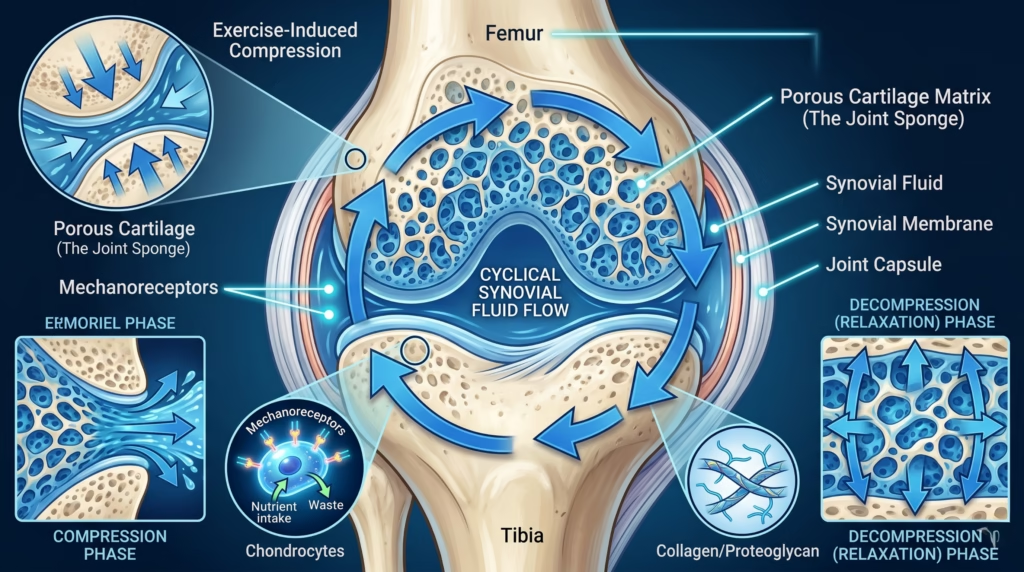
This fluid movement delivers fresh oxygen, glucose, and systemic signaling molecules directly to the chondrocytes while flushing away accumulated inflammatory debris. At a molecular level, this mechanical deformation stimulates mechanoreceptors on the chondrocyte surface, signaling the cell to suppress catabolic MMP production and upregulate the synthesis of proteoglycans. Far from accelerating joint decay, appropriate, progressive exercise is biochemically essential for nourishing and stabilizing the cellular health of aging joints.
5. Designing a Molecularly Focused Exercise Strategy
To translate these molecular mechanisms into a practical lifestyle routine, an exercise program should address multiple cellular pathways. A well-rounded regimen combines distinct types of physical stress to maximize systemic cellular health.
| Exercise Modality | Target Molecular Pathway | Recommended Weekly Strategy (General Guidance) |
| Zone 2 Aerobic Training (e.g., brisk walking, steady cycling) | Stimulates AMPK; drives PGC-1α expression to promote mitochondrial biogenesis and mitophagy. | 150–300 minutes per week at a conversational, steady-state intensity. |
| Progressive Resistance Training (e.g., bodyweight exercises, bands, free weights) | Activates the mTOR pathway to stimulate muscle protein synthesis; promotes myokine release to clear senescent cells. | 2–3 sessions per week, targeting major muscle groups with controlled, progressive resistance. |
| Targeted Mobility & Impact Work (e.g., controlled joint rotations, structured gait training) | Promotes synovial fluid movement; mechanically stimulates chondrocytes to synthesize cartilage matrix. | 10–15 minutes daily, focusing on full range-of-motion patterns for major joints. |
The Critical Role of Individualization
While the biochemical benefits of exercise are universal, the mechanical application must be carefully customized. An exercise load that stimulates healthy adaptation in one individual could cause tissue stress or joint pain in another, particularly if they are managing pre-existing osteoarthritis or significant sarcopenia.
Progressive overload must be balanced with adequate structural recovery. A sedentary body requires time to upscale its antioxidant enzyme production and adapt its cartilage matrix to new physical demands.
Conclusion & Next Steps
Aging is a complex biological process, but it is highly dynamic. While we cannot stop the passage of time, we can directly influence our molecular trajectory. By engaging in regular, structured exercise, we shift our cellular environment away from chronic inflammation, energy depletion, and chromosomal decay, and toward active cellular clearance, mitochondrial renewal, and joint preservation. Movement is one of the most effective tools we have for taking control of our biological health.
If you are looking to start an exercise program, navigate joint discomfort safely, or want a movement strategy designed around your unique physical needs, consider consulting a certified professional. A Chartered Physiotherapist can perform a comprehensive biomechanical assessment and build an evidence-based exercise plan tailored to safeguard your joints and optimize your physical longevity.
References
- Garatachea, N., et al. (2015). Exercise attenuates the major hallmarks of aging. Rejuvenation Research, 18(1), 57-89.
- López-Otín, C., et al. (2023). Hallmarks of aging: An expanding universe. Cell, 186(2), 243-278.
- Rebelo-Marques, A., et al. (2018). Aging hallmarks: The role of inflammation, physical activity, and nutrition. BioMed Research International, 2018, 1-14.
- Nakamura, M., et al. (2021). The role of mitophagy in skeletal muscle aging and exercise. Cells, 10(11), 3120.
- Loeser, R. F. (2010). Age-related changes in the musculoskeletal system and the development of osteoarthritis. Clinics in Geriatric Medicine, 26(3), 371-386.
Ayesha Tariq
Analytical Chemist | WriterAyesha Tariq is a professional analytical chemist who explores the fascinating intersections of molecular chemistry, human physiology, and physical well-being. Writing at the crossroads of laboratory science and clinical life, she specializes in breaking down complex biochemical pathways—from cellular metabolism to tissue inflammation—into accessible, actionable insights for both healthcare professionals and patients. Her periodic contributions bridge the gap between microscopic chemical reactions and their profound impact on daily medical and physical health.
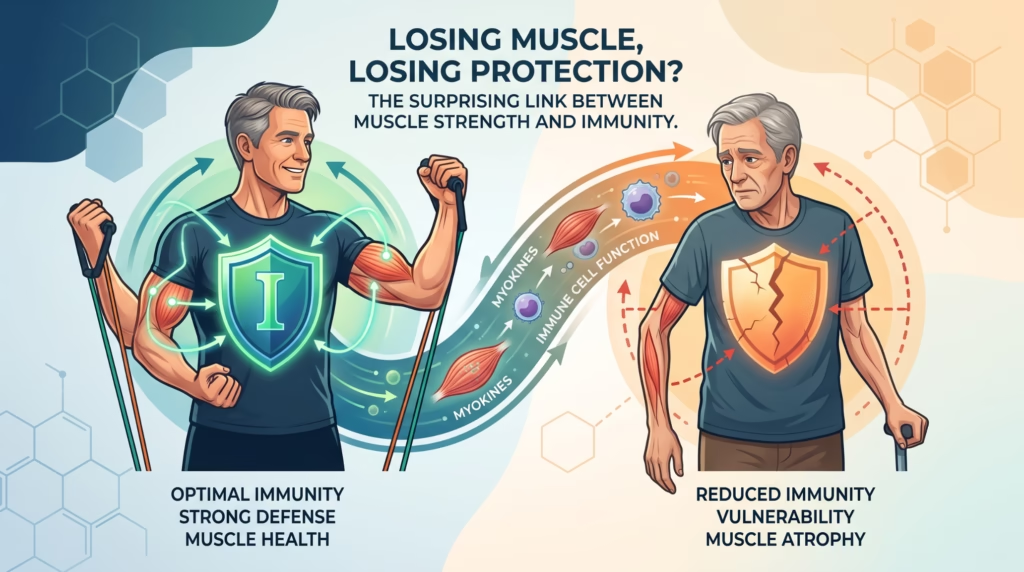
Losing Muscle, Losing Protection? The Surprising Link Between Muscle Strength and Immunity
When most people think of the immune system, they picture white blood cells, lymph nodes,…

Sleep Better, Think Better: Can a 20-Minute Workout Undo a Sleepless Night?
Waking up after a sleepless night of tossing and turning feels like trying to operate…
Strong Today, Weak Tomorrow? 6 Habits That Make the Difference
Physical strength often feels permanent when we have it. When you can effortlessly carry heavy…

The 5 Best Deep Core Exercises for Chronic Lower Back Pain
Lower back pain is the leading cause of disability worldwide. Millions of people wake up…
Better Posture, Less Pain: 7 Bad Habits That Are Hurting Your Spine
In our modern world, back and neck pain have become almost universal human experiences. We…
GLP-1 Weight-Loss Drugs: What They Mean for Muscle Health
The landscape of metabolic medicine and weight management has undergone a historic transformation. Medications like…
Pingback: The Longevity Workout: 5 Exercises Scientists Say Can Help You Age Better - physioubk.com