
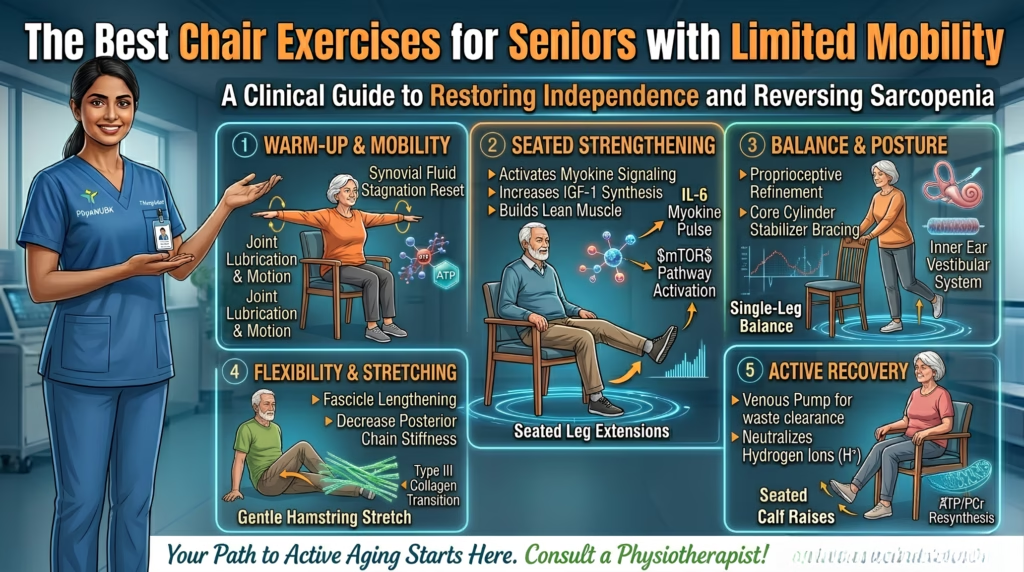
For elderly patients, maintaining functional mobility is not merely a matter of fitness, it is the cornerstone of personal autonomy, safety, and systemic health for which there are the best chair exercises for seniors. As the human body ages, it undergoes progressive physiological changes, including the loss of skeletal muscle mass (sarcopenia), decreased bone mineral density, and the stagnation of synovial joint lubrication. When these factors are compounded by neurological conditions, severe arthritis, or post-injury joint restrictions, standing exercises can present an unacceptable fall risk.
Fortunately, limited mobility does not mean a patient must adapt to a sedentary trajectory. Seated physical therapy provides an exceptionally safe, highly stable, and scientifically validated alternative. By eliminating postural instability and balancing demands, chair-based exercises allow seniors to precisely isolate key muscle groups, stimulate neuro-muscular pathways, and drive localized tissue remodeling. This clinical guide breaks down the underlying biochemistry of active aging and outlines the definitive five-phase seated exercise protocol to help seniors safely reclaim their physical resilience.
Educational Disclaimer: This article is intended strictly for educational and informational purposes. It does not constitute direct medical diagnosis, prescriptive treatment, or specific clinical advice. Seniors should always undergo a comprehensive physical assessment with a qualified physiotherapist or physician before initiating any new exercise regimen.
1. The Physiology of Aging: Cellular and Structural Decline
To understand why seated movement is so profoundly therapeutic, we must analyze the microscopic changes that occur within aging musculoskeletal tissues. Without targeted physical intervention, sedentary seniors face a rapid, self-reinforcing loop of structural degeneration.
Sedentary State ──► Synovial Fluid Stagnation ──► Cartilage Atrophy ──► Joint Stiffness ──► Severe Mobility Loss
Sarcopenia and Neuromuscular Decay
Beginning around the fourth decade of life, the body experiences a gradual decline in muscle mass, which accelerates sharply past the age of 65. This process, known as sarcopenia, preferentially targets fast-twitch Type II muscle fibers, the exact fibers responsible for explosive power, catching one’s balance during a slip, and pushing upward out of a deep chair. This loss is driven by a down-regulation of anabolic hormones, increased systemic low-grade inflammation, and a reduction in the number of active motor units.
Joint Mechanics and Synovial Stagnation
Healthy joints rely on regular movement to pump synovial fluid throughout the joint capsule. Synovial fluid acts as both a biological lubricant and a nutrient delivery vehicle for avascular articular cartilage. When a senior experiences limited mobility, this fluid stagnates. Without regular compression and decompression cycles, the cartilage starves, micro-fissures develop, and joints become arthritic, rigid, and painful. Seated exercises reintroduce these vital mechanical cycles completely free from the crushing forces of full axial body weight.
2. Seated Strengthening and the Biochemistry of Active Aging
Many people mistakenly assume that chair exercises are too low-impact to cause meaningful physiological adaptations. However, modern sports chemistry and exercise physiology demonstrate that skeletal muscle tissue responds to mechanical loading regardless of whether the patient is standing or sitting.
Seated Muscle Contraction ──► Intramuscular IL-6 Pulse ──► Upregulation of IL-10 ──► Systemic Anti-Inflammatory State
The Myokine Signaling Loop
When an elderly patient performs a structured, resistive seated exercise, such as a seated leg extension, the contracting muscle fibers act as an endocrine organ. These contractions trigger a temporary, localized pulse of interleukin-6, a specialized myokine.
While chronic, baseline systemic elevations of IL-6 are pro-inflammatory, this brief, exercise-induced myokine pulse triggers a powerful counter-cascade. It uregulates the production of potent anti-inflammatory markers like interleukin-10 IL-10 and interleukin-1 receptor antagonist IL-1ra. This biological shift actively dampens systemic low-grade inflammation, reduces chronic arthritic joint pain, and improves overall metabolic health.
mTOR Pathway and Growth Factor Synthesis in chair exercises for seniors
Even in advanced age, consistent mechanical tension on muscle cells stimulates the mammalian target of rapamycin mTOR pathway—the master controller of muscle protein synthesis. Seated resistance training stimulates the local expression of insulin-like growth factor 1 (IGF-1). This molecular signaling cascade shifts the body out of a catabolic state and into an anabolic state, allowing seniors to preserve and even rebuild lean muscle tissue from a entirely stable, seated position.
3. The 5-Phase Seated Exercise Protocol
This clinical protocol is structured to guide an elderly patient through a logical progression of joint lubrication, muscle activation, core stabilization, tissue lengthening, and metabolic clearance.
| Phase | Core Exercise Example | Primary Biomechanical Target | Targeted Physiological Outcome |
| 1. Warm-Up | Seated Arm Circles | Shoulder Girdle; Synovial Pump | Restores range of motion; lubricates joint capsule. |
| 2. Strengthening | Seated Leg Extensions | Quadriceps Femoris; mTOR Pathway | Reverses sarcopenia; builds sit-to-stand power. |
| 3. Balance/Posture | Seated Core Bracing | Transversus Abdominis; Core Cylinder | Stabilizes spine; improves sitting equilibrium. |
| 4. Flexibility | Seated Hamstring Stretch | Posterior Chain; Type III Collagen | Decreases lower back strain; increases step length. |
| 5. Active Recovery | Seated Calf Raises | Gastrocnemius/Soleus; Muscle Pump | Clears metabolic waste; improves lower limb circulation. |
Phase 1: Warm-Up & Mobility (Seated Arm Circles & Ankle Pumps)
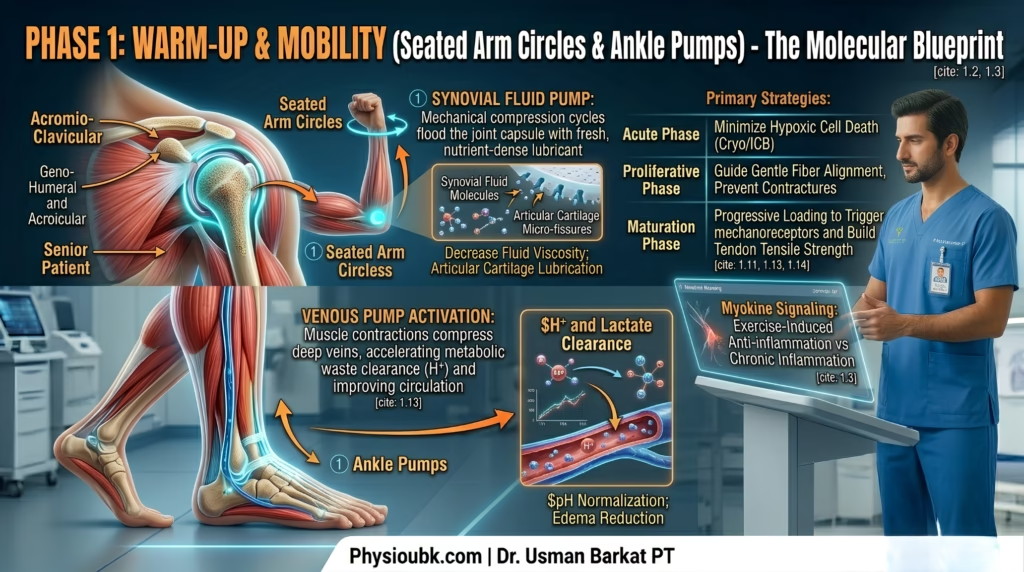
- Execution: The patient sits tall with their back fully supported by the chair. They extend their arms to the sides and perform slow, controlled circular patterns. This is immediately followed by pointing and flexing the toes (ankle pumps).
- The Science: This phase serves as a mechanical pump for the joint capsules. The gentle movement immediately increases the temperature of local tissues, reduces fluid viscosity, and floods the shoulder and ankle joints with fresh, nutrient-dense synovial fluid to prevent micro-trauma during subsequent phases.
Phase 2: Seated Strengthening (Seated Leg Extensions)
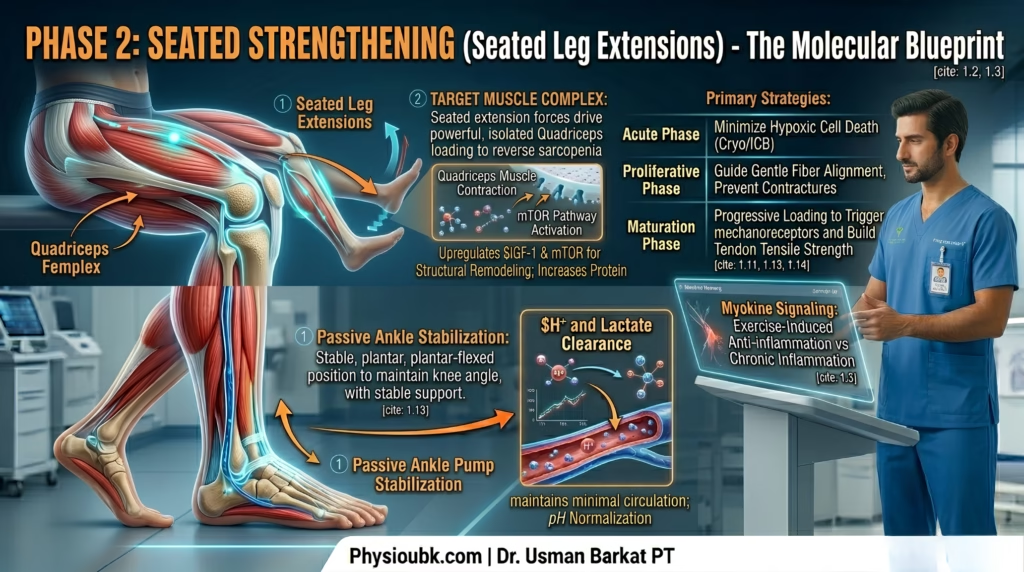
- Execution: From a secure seated position, the patient grips the sides of the chair seat. Keeping the thigh firmly on the cushion, they slowly extend one knee until the leg is perfectly straight, hold for two seconds, and lower under strict control.
- The Science: This movement specifically loads the quadriceps femoris complex. For seniors, quadriceps strength is the number one predictor of sit-to-stand independence and fall prevention. This mechanical loading turns on the mTOR pathway, triggering muscle protein synthesis to combat lower-limb muscle wasting.
Phase 3: Balance & Posture (The Core Cylinder Bracing)
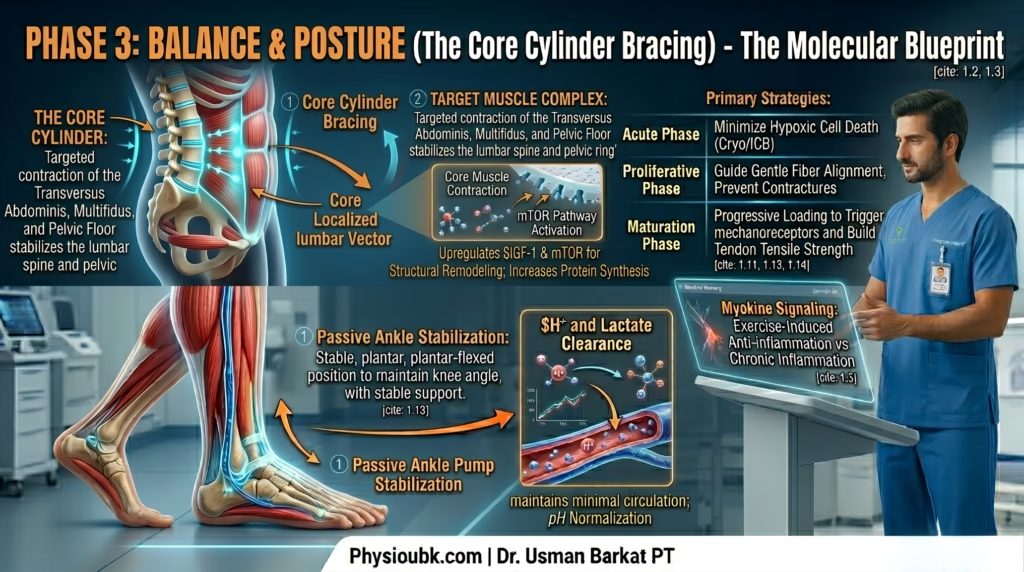
- Execution: The patient sits slightly forward away from the backrest. They place their hands on their abdomen, take a deep diaphragmatic breath, and exhale while drawing their navel gently toward their spine, engaging the deep abdominal wall for 5 to 10 seconds.
- The Science: This exercise targets the transversus abdominis and the deep stabilizing pelvic floor matrix, reinforcing the “core cylinder.” Activating these deep stabilizers improves sitting balance, reduces the burden of sheer forces on the lumbar spine, and sharpens the mechanoreceptors responsible for spatial orientation and proprioception.
Phase 4: Flexibility & Stretching (Gentle Seated Hamstring Stretch)
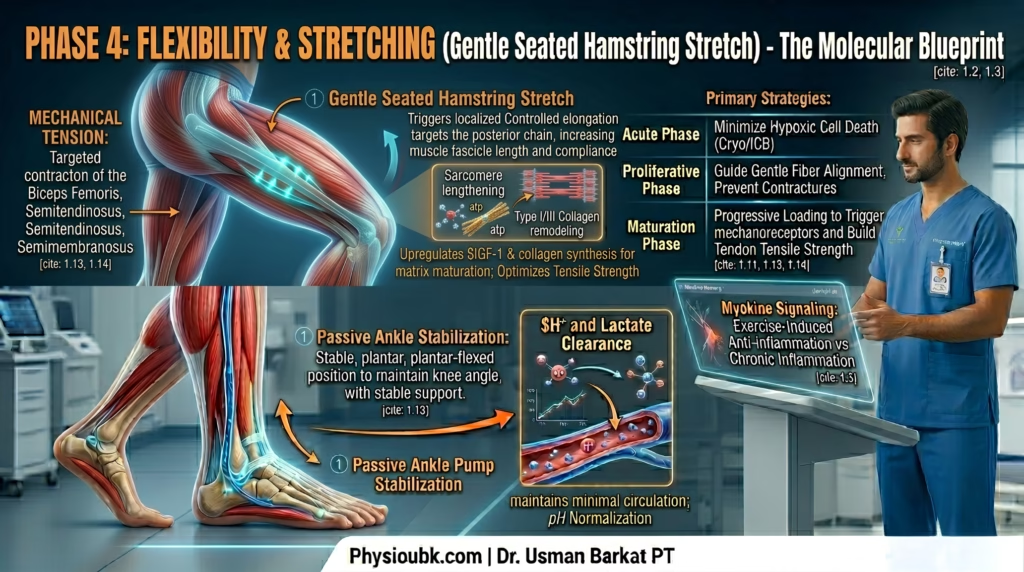
- Execution: The patient extends one leg straight forward, resting the heel comfortably on the floor with the toes pointing upward. Keeping a completely straight spine, they gently hinge forward from the hips until a mild, comfortable stretch is felt along the back of the thigh.
- The Science: Chronic sitting can cause structural shortening of the posterior chain muscles. Hinging under control stretches the extracellular matrix, promoting a healthy transition of rigid Type III collagen fibers into more compliant pathways. This improves pelvic alignment and directly relieves chronic tension in the lower back.
Phase 5: Active Recovery (Seated Calf Raises)
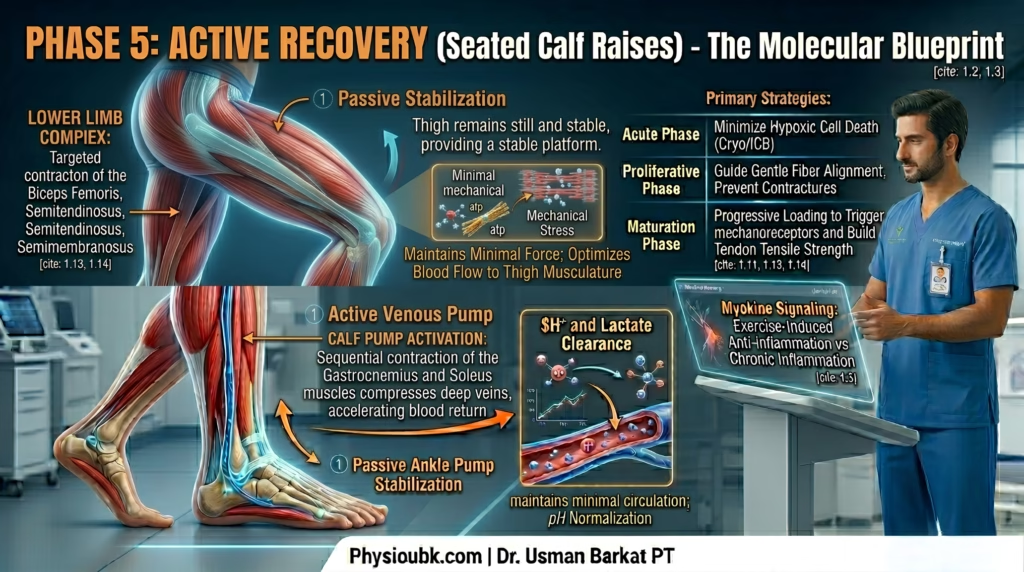
- Execution: Keeping the balls of the feet firmly planted on the floor, the patient lifts their heels as high as possible, contracts the calf muscles at the peak, and slowly lowers them back down.
- The Science: The calf muscles serve as the secondary venous pump of the human body. Contracting the gastrocnemius and soleus muscles compresses the deep veins of the lower leg, forcing pooled blood back up to the heart. This accelerates the clearance of cellular metabolic waste, reduces lower extremity edema, and normalizes local tissue pH.
4. Safety Metrics and Clinical Supervision
While chair exercises are inherently safe, exercising with limited mobility requires careful monitoring to ensure therapeutic stress does not turn into structural injury.
- Monitor Exertion Levels: Use the modified Borg Rating of Perceived Exertion (RPE) scale from 1 to 10. Seniors should aim to work within a comfortable 4 to 6 range (moderate to somewhat hard).
- Maintain Spinal Alignment: Patients must avoid slouching or rounding the thoracic spine during seated movements, as abnormal spinal flexion increases the compressive load on lumbar intervertebral discs.
- Breathe Continuously: Seniors must explicitly avoid holding their breath during resistance movements (the Valsalva maneuver). Breath-holding causes sudden spikes in intra-thoracic pressure, which can lead to dangerous fluctuations in blood pressure.
- Identify Red Flags: Stop the exercise immediately if the patient experiences localized chest discomfort, sudden dizziness, acute joint pain, or shortness of breath that does not quickly stabilize.
Conclusion: Reclaiming Independence One Movement at a Time
Physical degradation is not an inevitable, untreatable consequence of aging. By viewing seated exercise through the lens of clinical physical therapy and tissue biochemistry, we can treat structured movement as a precise, targeted medicine. Seated protocols allow seniors to safely bypass the fall risks associated with standing exercises while fully capturing the profound neuro-muscular, structural, and anti-inflammatory benefits of regular physical training. Implementing a progressive, chair-based routine preserves joint integrity, fights sarcopenia, and directly elevates long-term quality of life.
To access personalized, evidence-based physical therapy frameworks or to explore professional local clinical care options, visit Physioubk.com or consult the dedicated rehabilitation team at Tariq Medicare Khanewal. Reclaiming your structural vitality and physical autonomy begins with the very next movement.
Ayesha Tariq
Analytical Chemist | Writer
Ayesha Tariq is a professional analytical chemist who explores the fascinating intersections of molecular chemistry, human physiology, and physical well-being. Writing at the crossroads of laboratory science and clinical life, she specializes in breaking down complex biochemical pathways—from cellular metabolism to tissue inflammation—into accessible, actionable insights for both healthcare professionals and patients. Her periodic contributions bridge the gap between microscopic chemical reactions and their profound impact on daily medical and physical health.
What is a Functional Capacity Evaluation (FCE) in Physical Therapy?
CLINICAL GUIDE & ASSESSMENT PROTOCOL An exhaustive, clinician-reviewed guide explaining the protocols, physical tolerance metrics,…
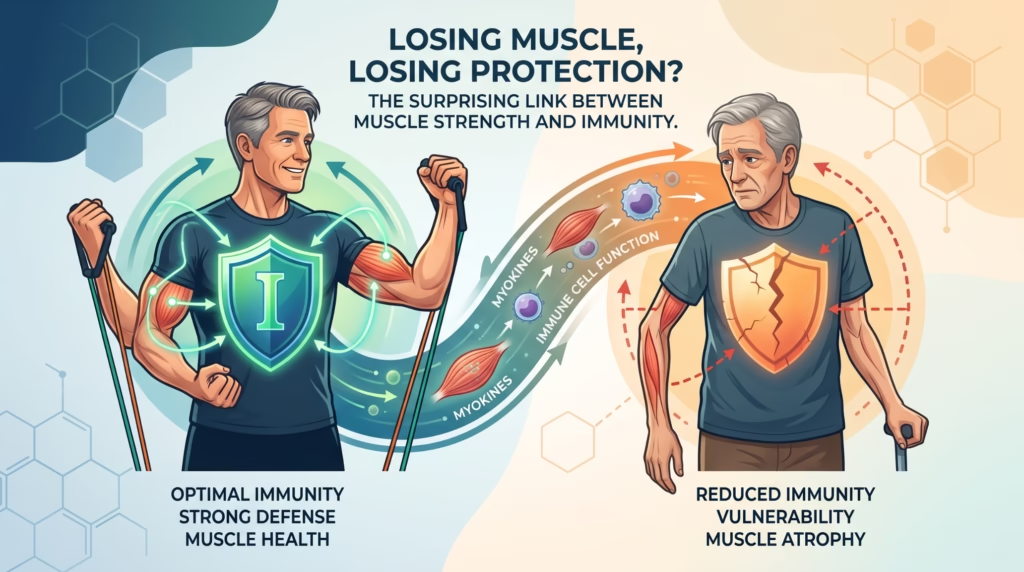
Losing Muscle, Losing Protection? The Surprising Link Between Muscle Strength and Immunity
When most people think of the immune system, they picture white blood cells, lymph nodes,…
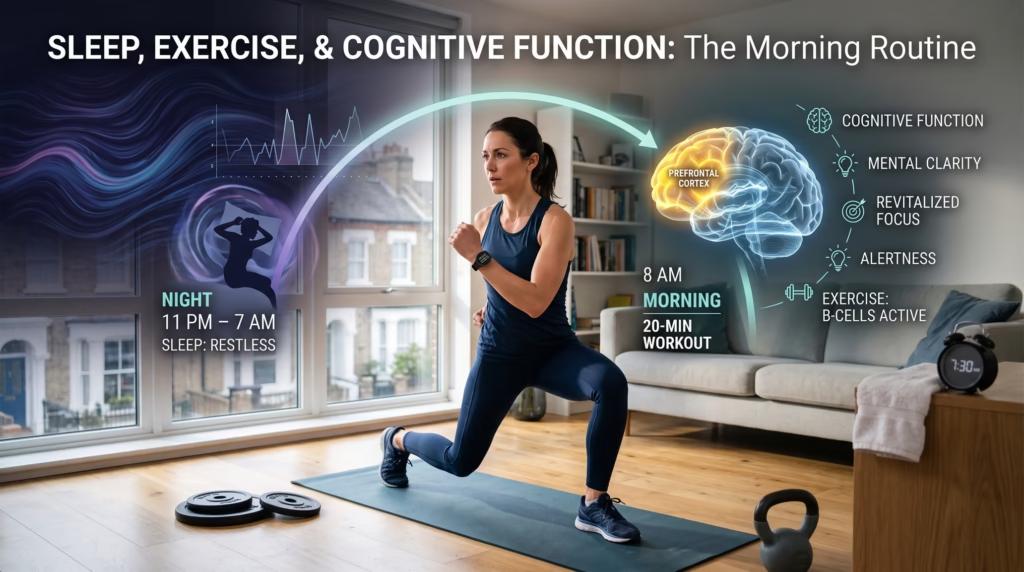
Sleep Better, Think Better: Can a 20-Minute Workout Undo a Sleepless Night?
Waking up after a sleepless night of tossing and turning feels like trying to operate…
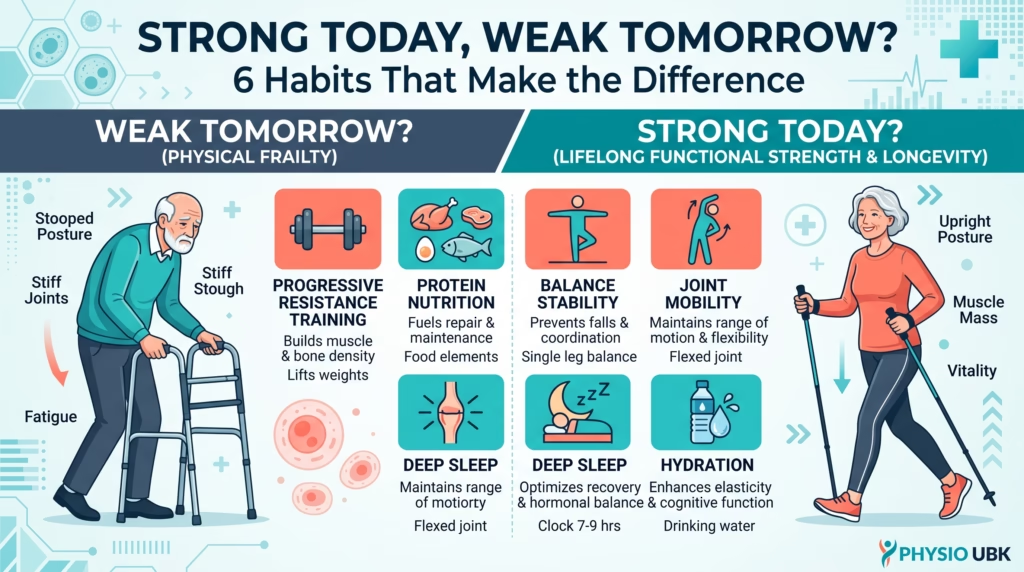
Strong Today, Weak Tomorrow? 6 Habits That Make the Difference
Physical strength often feels permanent when we have it. When you can effortlessly carry heavy…
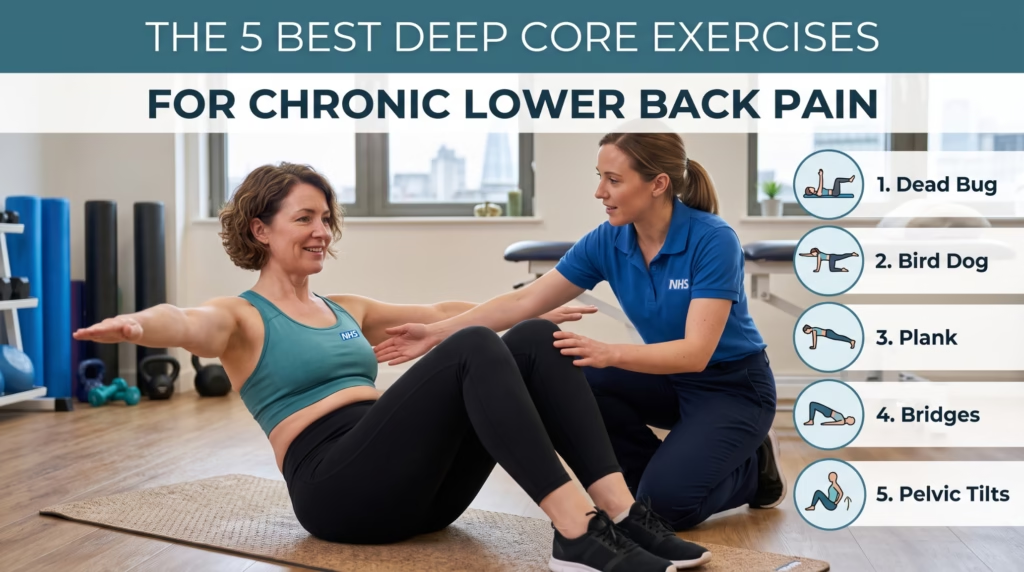
The 5 Best Deep Core Exercises for Chronic Lower Back Pain
Lower back pain is the leading cause of disability worldwide. Millions of people wake up…
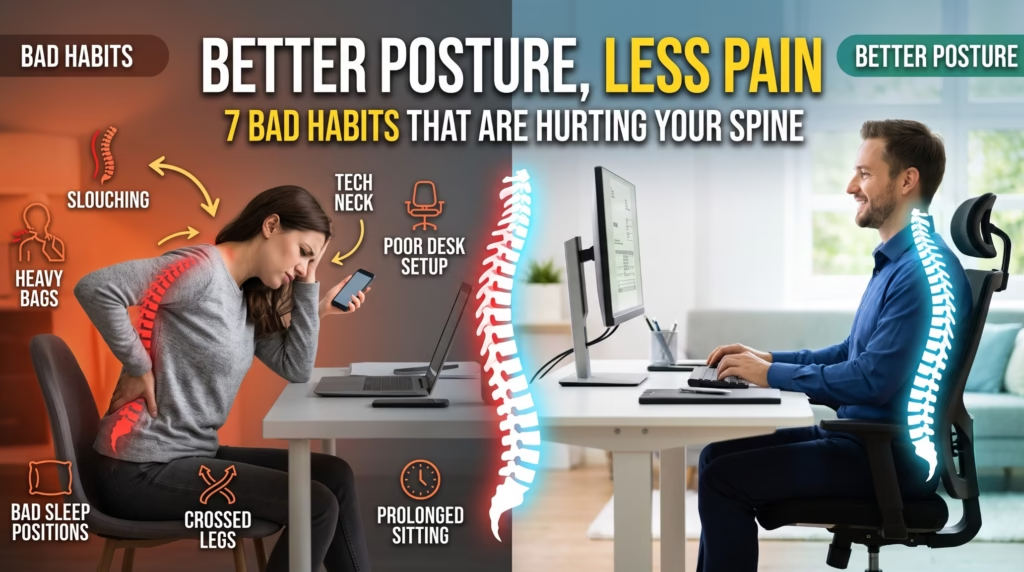
Better Posture, Less Pain: 7 Bad Habits That Are Hurting Your Spine
In our modern world, back and neck pain have become almost universal human experiences. We…
Great content! Keep up the good work!