
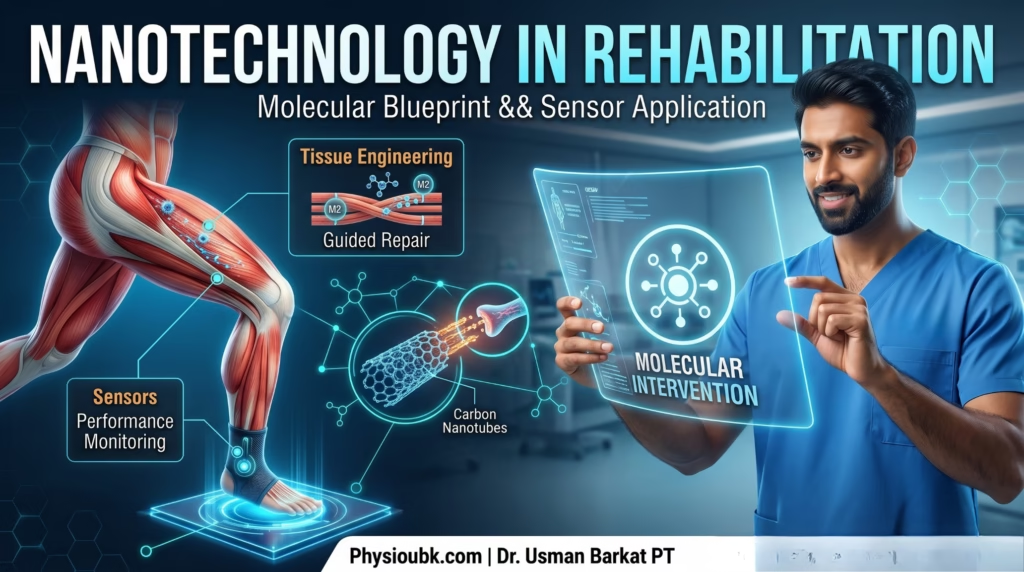
The traditional boundaries of physical rehabilitation have long been defined by macro-level interventions: manual therapy, mechanical loading, structural braces, and localized thermal modalities. While these methods remain highly effective at modifying macro-mechanics, they are ultimately dependent on the body’s intrinsic, unassisted cellular speed of healing. For patients recovering from severe neuro-muscular trauma, elite athletes aiming to cut downtime, or individuals managing degenerative joint diseases, the bottleneck of recovery isn’t the physical therapy protocol, it is the rate of cellular repair.
Nanotechnology in rehabilitation. By manipulating matter at the nanoscale (1 to 100 nanometers), modern bioengineering is intersecting directly with clinical physical therapy. This integration is shifting rehabilitation from a passive, mechanical discipline into an active, molecularly guided recovery process. From cellular scaffolding that directs muscle tissue growth to wearable nanosensors that track biomechanical strain in real time, nanotechnology is redefining the limits of physical recovery.
Educational Disclaimer: This article is intended strictly for educational and informational purposes. It discusses emerging biomedical and biophysical engineering frameworks in rehabilitation and does not constitute direct medical advice or treatment prescriptions.
1. The Biophysics of Nanomaterials in Tissue Engineering
At the core of nanorehabilitation is the ability to mimic the body’s natural Extracellular Matrix (ECM). When a tendon, ligament, or muscle fiber is ruptured, the body lays down a disorganized web of Type III collagen, creating rigid scar tissue that limits future mobility and power output. Nanomaterials allow clinicians and bioengineers to guide this architecture on a cellular level.
Carbon Nanotubes (CNTs) and Electrical Conductivity
Skeletal muscle and neural pathways are inherently electrical systems. Carbon nanotubes, cylindrical molecules composed of carbon atoms, possess extraordinary electrical conductivity and mechanical tensile strength. When embedded into biocompatible polymers, CNTs create a conductive scaffold across a tissue tear.
Nerve/Muscle Injury ──► Carbon Nanotube Scaffold Insertion ──► Restored Electrical Continuity ──► Accelerated Myoblast Alignment
This structural bridge allows action potentials to pass smoothly across damaged tissue zones. As a result, it accelerates the recruitment of satellite cells, minimizes muscular atrophy during periods of immobilization, and promotes organized, parallel alignment of new muscle fibers instead of chaotic scar tissue.
Smart Hydrogels for Targeted Drug Delivery
Traditional oral medications and systemic anti-inflammatories suffer from poor localized bioavailability; only a fraction of the active compound reaches a deeply buried tear in a tendon like the supraspinatus. Nanoparticle-infused smart hydrogels solve this issue.
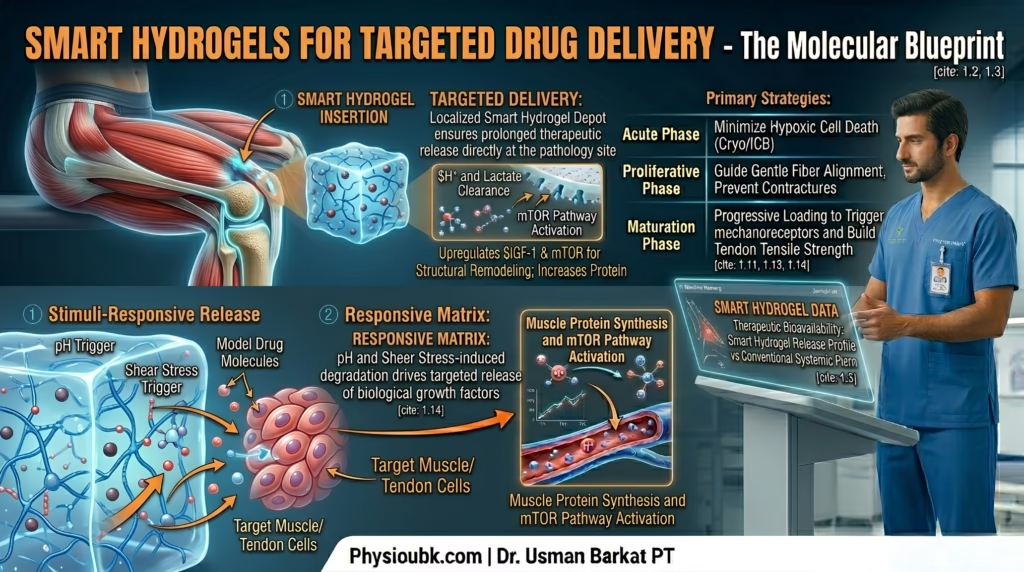
These injectable, biocompatible matrices are engineered to react to specific physical cues in the localized tissue environment, such as changes in shear stress, temperature, or pH. When a physical therapist applies localized therapeutic ultrasound or targeted manual therapy to the area, the mechanical pressure or thermal shift alters the hydrogel’s nanostructure. This causes the controlled release of embedded growth factors directly into the damaged tissue fibers, accelerating healing precisely where it is needed.
2. Wearable Nanosensors and Real-Time Biomechanical Telemetry in Nanotechnology in rehabilitation
The success of any physical therapy protocol depends entirely on volume, intensity, and biomechanical precision. Moving too early or with improper form can disrupt healing tissues, while moving too late delays recovery. Nanotechnology bridges this gap by turning common wearable supports into advanced diagnostic tools.
| Technology Type | Mechanism of Action | Clinical Application in Rehab | Primary Benefit |
| Piezoelectric Nanowires | Generates voltage from atomic-level mechanical deformation. | Embedded in knee/ankle sleeves to track joint angles. | Captures exact biomechanical deviations during movement. |
| Graphene-Based E-Skin | Changes electrical resistance when stretched or compressed. | Applied directly over muscle bellies to monitor contractions. | Identifies micro-compensations and muscle guarding. |
| Microfluidic Nanosensors | Analyzes trace biomarker concentrations in localized sweat. | Wearable patches tracking lactic acid and cortisol levels. | Prevents overtraining and identifies systemic stress. |
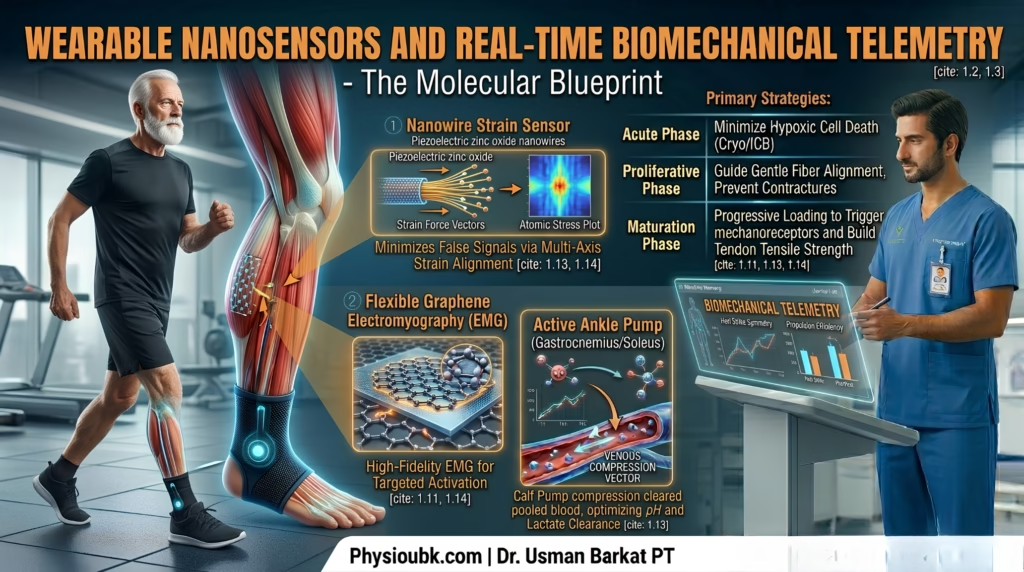
By utilizing these nanoscale components, a knee sleeve shifts from a simple passive structural support to an active biometric telemetry hub. If a patient begins to favor a recovering ACL during a squat, introducing a microscopic, single-degree rotational compensation, the nanosensors instantly catch the deviation and alert the therapist’s dashboard before macro-trauma can occur.
3. Cellular Mechanotransduction and Nanoparticle Therapy
Physical therapy relies on mechanotransduction, the biological process where cells convert physical, mechanical forces (like stretching or weight-bearing) into chemical signals that promote cellular growth and tissue remodeling. Nanotechnology amplifies this mechanism.
Therapeutic Ultrasound/Laser ──► Nanoparticle Excitation ──► Localized ATP Synthesis ──► Rapid Cellular Proliferation
When custom-engineered nanoparticles (such as gold or silica nanoparticles) are introduced to an injured joint capsule, they bind specifically to the cell membranes of damaged target tissues. When a therapist introduces external physical modalities, such as Low-Intensity Pulsed Ultrasound (LIPUS) or Photobiomodulation (Cold Laser Therapy), the nanoparticles absorb and amplify these waves.
This localized amplification increases the mechanical vibration on the cell’s integrin receptors without increasing the overall heat or thermal strain on the surrounding tissue. This physical stimulus accelerates cellular metabolism (ATP synthesis), opens voltage-gated calcium channels, and signals the nucleus to speed up cellular proliferation and tissue repair.
4. Clinical Implementations and Future Horizons
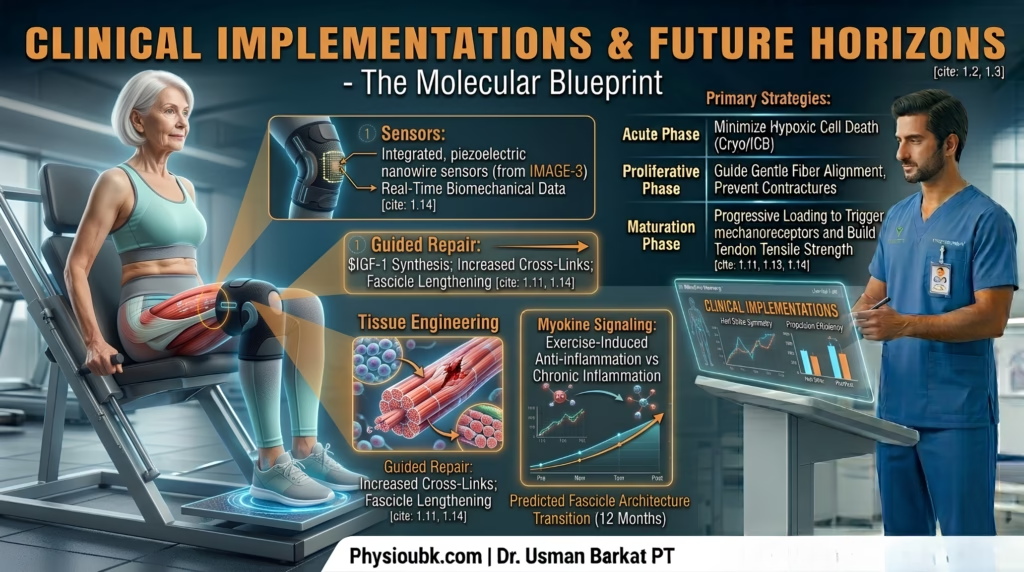
While parts of molecular nanotechnology are still undergoing rigorous clinical trials, several nanomedical frameworks are already reshaping modern physical therapy and sports medicine clinics:
- Targeted Osteoarthritis Management: Intra-articular injections of lipid-based nanoparticles are being used to deliver localized anti-inflammatory agents straight into the joint space. This delivers long-lasting pain relief and protects remaining cartilage without the systemic side effects of traditional oral NSAIDs.
- Advanced Neural Regeneration: In cases of peripheral nerve injuries or spinal cord rehabilitation, electrospun nanofibrous conduits are used to guide growing axons across lesion sites, helping patients recover motor control and sensory function significantly faster.
- Smart Orthotics: The integration of graphene into custom orthotic plastics allows for the creation of ultra-lightweight, high-durability braces that flex dynamically in response to a patient’s gait speed and ground reaction forces.
Conclusion: Moving Beyond Macro-Rehabilitation
Nanotechnology represents a paradigm shift in how we approach recovery, injury prevention, and physical performance. By merging advanced biophysics and molecular engineering with the established principles of physical therapy, we are moving past an era of simply managing symptoms and structural limitations. Instead, we can actively optimize the healing environment on a molecular scale. As these technologies continue to mature and integrate into daily clinical practice, the future of rehabilitation promises to be faster, highly personalized, and precisely targeted, redefining how we restore, protect, and enhance the human body.
Ayesha Tariq
Analytical Chemist | Writer
Ayesha Tariq is a professional analytical chemist who explores the fascinating intersections of molecular chemistry, human physiology, and physical well-being. Writing at the crossroads of laboratory science and clinical life, she specializes in breaking down complex biochemical pathways—from cellular metabolism to tissue inflammation—into accessible, actionable insights for both healthcare professionals and patients. Her periodic contributions bridge the gap between microscopic chemical reactions and their profound impact on daily medical and physical health.
What is a Functional Capacity Evaluation (FCE) in Physical Therapy?
CLINICAL GUIDE & ASSESSMENT PROTOCOL An exhaustive, clinician-reviewed guide explaining the protocols, physical tolerance metrics,…
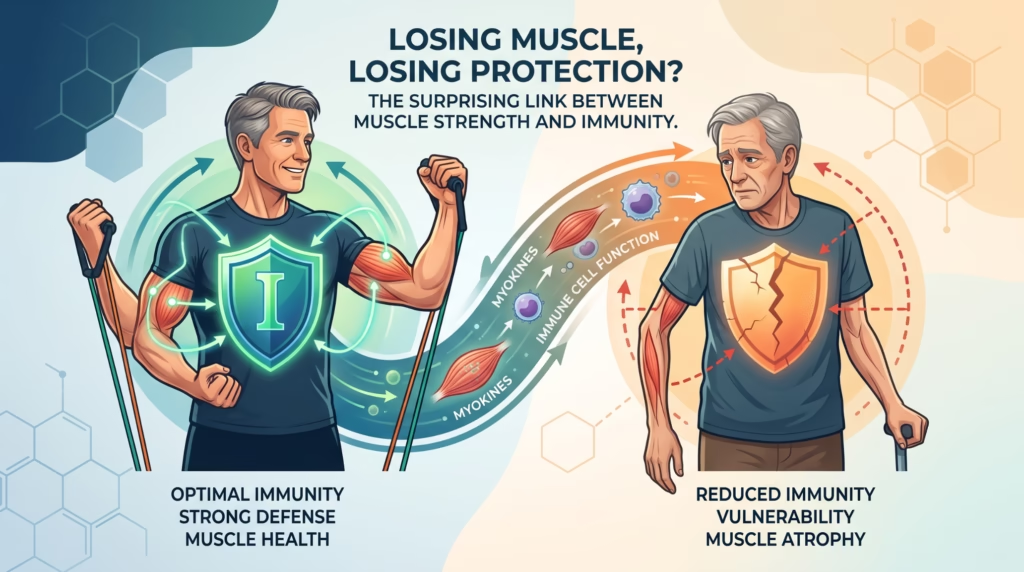
Losing Muscle, Losing Protection? The Surprising Link Between Muscle Strength and Immunity
When most people think of the immune system, they picture white blood cells, lymph nodes,…
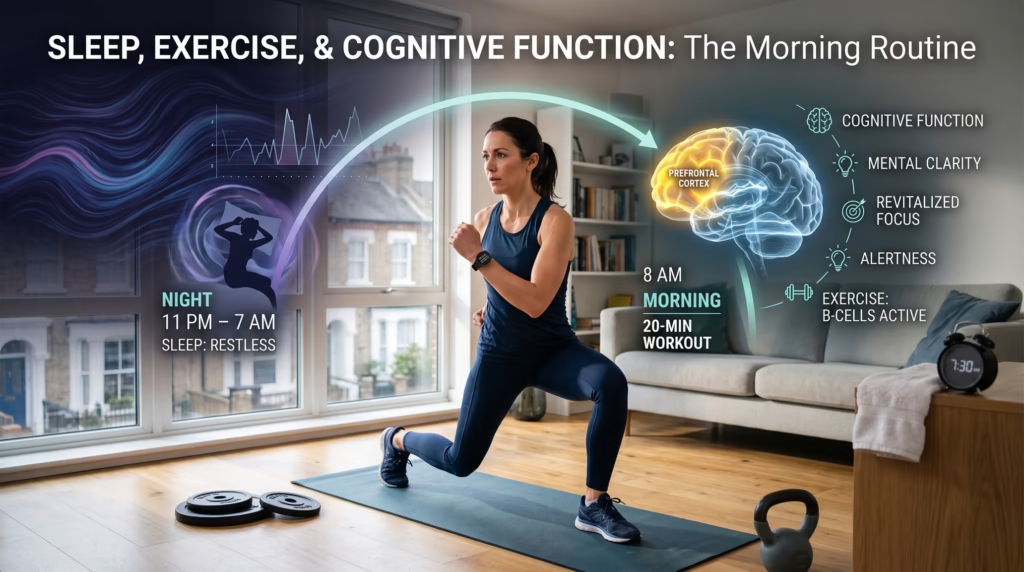
Sleep Better, Think Better: Can a 20-Minute Workout Undo a Sleepless Night?
Waking up after a sleepless night of tossing and turning feels like trying to operate…
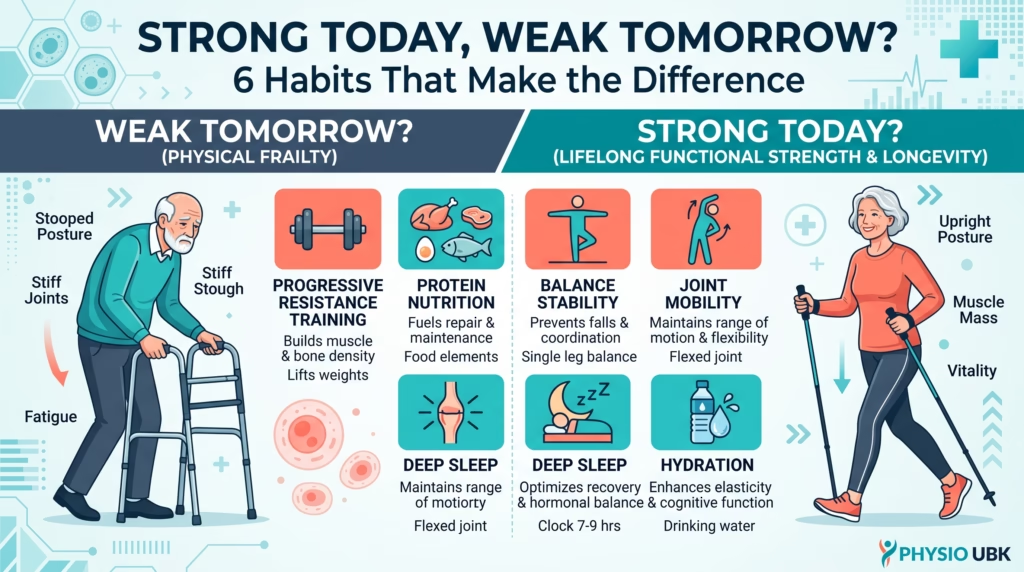
Strong Today, Weak Tomorrow? 6 Habits That Make the Difference
Physical strength often feels permanent when we have it. When you can effortlessly carry heavy…

The 5 Best Deep Core Exercises for Chronic Lower Back Pain
Lower back pain is the leading cause of disability worldwide. Millions of people wake up…
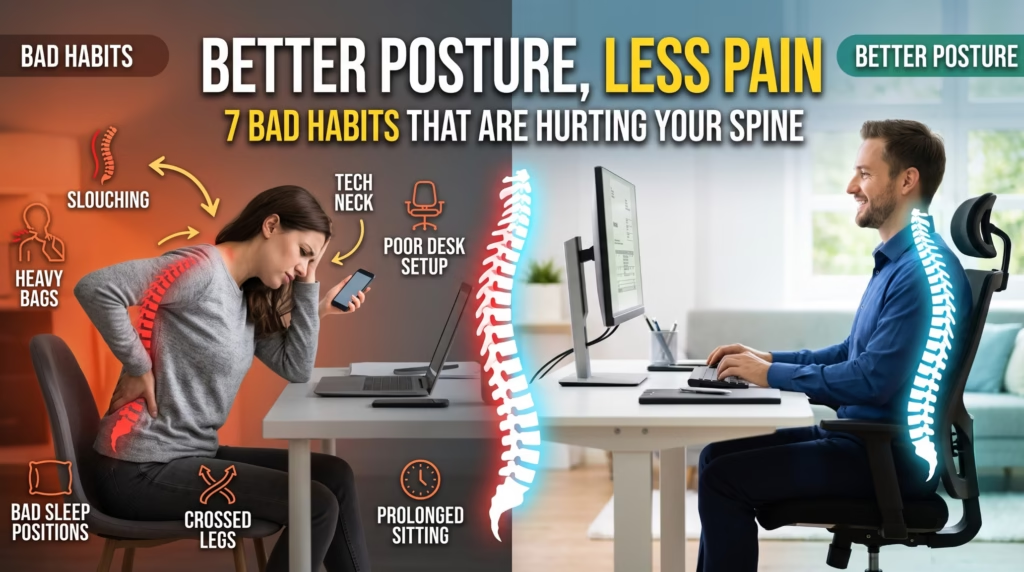
Better Posture, Less Pain: 7 Bad Habits That Are Hurting Your Spine
In our modern world, back and neck pain have become almost universal human experiences. We…