
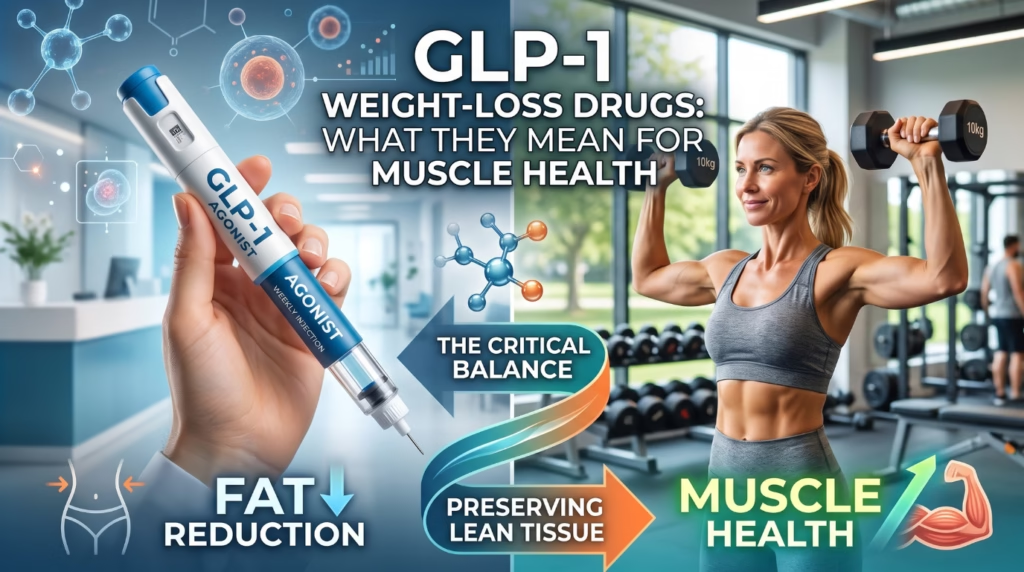
The landscape of metabolic medicine and weight management has undergone a historic transformation. Medications like semaglutide (Ozempic, Wegovy) and tirzepatide (Mounjaro, Zepbound), collectively known as GLP-1 receptor agonists (and dual GLP-1/GIP agonists), have demonstrated unprecedented efficacy in helping individuals lose significant body weight and manage type 2 diabetes.
By mimicking natural gut hormones, these therapies slow gastric emptying, suppress appetite, and recalibrate metabolic signaling in the brain. However, as millions of people achieve rapid weight loss, medical researchers, physical therapists, and sports medicine physicians are raising an essential physiological question: What kind of weight is actually being lost?
When the body sheds mass at an accelerated rate, it does not discriminate between visceral fat, subcutaneous fat, and skeletal muscle tissue. Preserving lean muscle mass during GLP-1 therapy is not merely an aesthetic concern, it is a fundamental requirement for metabolic health, joint stability, functional independence, and long-term weight maintenance.
In this comprehensive clinical breakdown, we will explore how GLP-1 weight-loss drugs affect muscle tissue, why muscle loss occurs, the long-term consequences of sarcopenia, and actionable strategies to protect your lean mass while taking these revolutionary drugs.
The Physiology: How GLP-1 Medications Work
GLP-1 (glucagon-like peptide-1) is an incretin hormone naturally secreted by the L-cells of the small intestine in response to food intake. It plays several critical roles:
- Insulin Secretion: Enhances glucose-dependent insulin secretion from pancreatic beta cells.
- Appetite Suppression: Binds to receptors in the hypothalamus, increasing feelings of satiety and reducing food cravings.
- Delayed Gastric Emptying: Slows the rate at which the stomach empties into the small intestine, keeping you full for longer.
When administered at pharmacological doses (as seen in Wegovy or Zepbound), GLP-1 receptor agonists create a substantial, continuous caloric deficit by dramatically decreasing voluntary calorie intake.
While a caloric deficit is the fundamental mechanism required for weight loss, rapid caloric restriction triggers systemic physiological adaptations that can compromise skeletal muscle.
GLP-1 Drugs and Muscle Loss: What the Clinical Data Shows
To understand the impact of GLP-1 therapies on muscle health, it is vital to examine the body composition metrics recorded in major clinical trials.
When individuals lose weight through traditional dietary restriction alone, roughly 20% to 30% of the total weight lost typically comes from lean mass (which includes skeletal muscle, organ tissue, and body water), with the remaining 70% to 80% coming from fat mass.
Clinical trial data for GLP-1 receptor agonists reveal similar or slightly elevated rates of lean tissue loss:
Key Clinical Insights
- Semaglutide (STEP-1 Trial Sub-study): In a sub-analysis of the STEP-1 trial using dual-energy X-ray absorptiometry (DXA) scans, participants taking semaglutide lost an average of 15% of their total body weight over 68 weeks. However, lean mass accounted for approximately 39% of the total weight lost, while fat mass accounted for 61%.
- Tirzepatide (SURMOUNT-1 Trial Sub-study): Body composition analysis from the SURMOUNT-1 trial demonstrated that participants taking tirzepatide lost significant body fat alongside lean mass. Lean mass loss accounted for approximately 25% to 30% of total weight reduction.
While overall body fat percentage decreases significantly, resulting in a net improvement in metabolic markers, the absolute loss of skeletal muscle mass remains a notable concern, particularly for older adults or individuals who are already sarcopenic before starting treatment.
Why Does Muscle Loss Occur on GLP-1 Medications?
Muscle tissue is metabolically active and energetically expensive for the body to maintain. When exposed to rapid weight loss induced by GLP-1 agonists, several physiological drivers contribute to muscle breakdown:
1. Severe Caloric Deficits and Reduced Protein Intake
Because GLP-1 medications significantly suppress appetite and cause early satiety, many patients struggle to consume adequate food throughout the day. In some cases, daily caloric intake drops well below baseline metabolic requirements.
When the body experiences a severe caloric deficit without sufficient dietary protein, it mobilizes amino acids from skeletal muscle through gluconeogenesis to maintain blood glucose levels and fuel vital organs.
2. Reduced Muscle Protein Synthesis (MPS)
To maintain or build muscle tissue, the rate of Muscle Protein Synthesis (MPS) must equal or exceed the rate of Muscle Protein Breakdown (MPB). High-grade appetite suppression often leads to protein malnutrition. Without a steady supply of essential amino acids (specifically leucine), the mechanistic target of rapamycin (mTOR) pathway remains un-stimulated, causing MPS to drop significantly below MPB.
3. Physical Inactivity and Lack of Mechanical Loading
If a patient loses weight rapidly without engaging in regular resistance exercise or weight-bearing movement, the neuromuscular system receives no signal that skeletal muscle tissue is needed. The “use it or lose it” principle applies: without mechanical tension, the body preferentially breaks down unneeded muscle tissue.
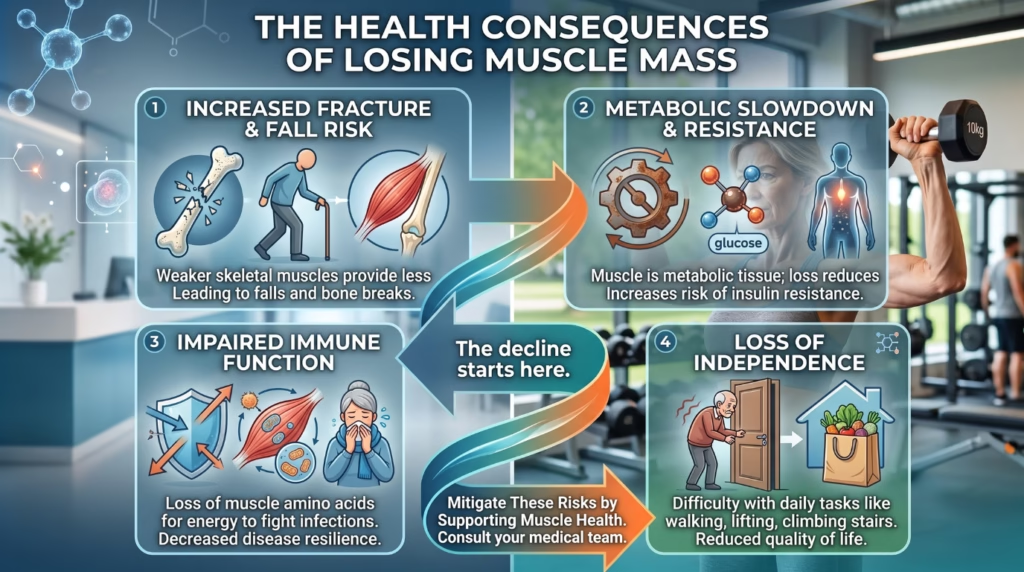
The Health Consequences of Losing Muscle Mass
Losing skeletal muscle isn’t just about athletic performance or physical appearance; muscle is a primary endocrine organ and the cornerstone of physical durability.
1. Metabolic Slowing and “Rebound” Weight Gain
Skeletal muscle is a key contributor to your Resting Metabolic Rate (RMR), the number of calories your body burns at rest. Each pound of muscle burns substantially more calories per day than a pound of fat.
When you lose significant muscle mass, your baseline resting metabolism drops. If you eventually discontinue GLP-1 therapy or plateau on your dose, your lower metabolic rate makes you highly susceptible to rapid “rebound” weight gain, often in the form of visceral fat rather than restored muscle tissue.
2. Sarcopenic Obesity
If an individual loses equal amounts of fat and muscle, or regains weight primarily as fat, they risk developing sarcopenic obesity, a condition characterized by high body fat percentage combined with low muscle mass and strength. Sarcopenic obesity is strongly linked to insulin resistance, chronic systemic inflammation, and cardiovascular disease.
3. Joint Instability, Osteoarthritis, and Fall Risk
Muscles act as dynamic shock absorbers for your joints. The quadriceps, hamstrings, and gluteal muscles absorb impact during walking, stair climbing, and daily activity, protecting the cartilage in your knees, hips, and spine.
Losing lower-body muscle mass compromises joint stability, accelerating joint wear and increasing the risk of:
- Knee and hip osteoarthritis progression.
- Balance impairment and postural instability.
- Falls and fragility fractures, particularly in adults aged 50 and older.
4. Decreased Impaired Glucose Handling
Skeletal muscle is the body’s largest sink for glucose disposal, absorbing up to 80% of post-meal blood sugar via GLUT4 transporters. Losing muscle mass reduces your overall capacity for glucose clearance, which can paradoxically compromise long-term glycemic control if muscle loss is severe.
How to Protect Muscle Health While Taking GLP-1 Drugs
The good news is that muscle loss during GLP-1 weight-loss therapy is not inevitable. By implementing targeted lifestyle interventions, you can bias your body toward losing fat while preserving, or even building, lean skeletal muscle mass.
Strategy 1: Prioritize Protein Intake
When appetite is suppressed, every bite counts. Protein must become the center of your nutritional strategy.
Clinical Guidelines:
- Aim for 1.2 to 1.6 grams of protein per kilogram of body weight (approx. 0.55 to 0.73 grams per pound) daily. For an adult weighing 180 lbs (82 kg), this translates to roughly 100 to 130 grams of high-quality protein per day.
- Distribute protein evenly: Spread protein intake across 3 to 4 meals throughout the day (aiming for 25–40 grams per meal) to consistently stimulate Muscle Protein Synthesis via the mTOR pathway.
- Focus on high-leucine, nutrient-dense sources: Eggs, poultry, lean beef, fish, Greek yogurt, cottage cheese, tofu, and whey protein isolate.
Practical Tip: If solid food feels unappealing due to GLP-1-induced nausea or early fullness, utilize liquid protein supplements (such as whey or plant-based protein isolate shakes) to meet your daily protein targets without overfilling your stomach.
Strategy 2: Implement Progressive Resistance Training (PRT)
Nutrition provides the building blocks for muscle, but mechanical tension provides the signal. Resistance training is the single most effective tool to prevent lean mass loss during weight reduction.
Research published in The New England Journal of Medicine and the Journal of Applied Physiology demonstrates that combining weight-loss interventions with resistance training preserves almost 100% of lean mass compared to diet alone.
Key Programming Principles for GLP-1 Users:
- Frequency: Engage in progressive resistance training 2 to 3 days per week on non-consecutive days.
- Focus on Compound Movements: Prioritize exercises that recruit large muscle groups and multiple joints simultaneously:
- Lower Body: Goblet squats, leg presses, Romanian deadlifts, step-ups.
- Upper Body Pull: Lat pulldowns, cable rows, dumbbell rows.
- Upper Body Push: Chest presses, overhead shoulder presses, push-ups.
- Intensity: Choose weights that allow you to complete 8 to 12 repetitions per set with proper form, leaving 2 to 3 reps “in the tank” before failure.
- Progressive Overload: Gradually increase the weight, repetitions, or control over time as your strength improves.
Strategy 3: Avoid Excessively Rapid Weight Loss
While shedding weight quickly can feel motivating, losing weight too rapidly dramatically increases the proportion of lean muscle tissue lost relative to fat.
- Target Rate of Weight Loss: Aim for a controlled loss of 1 to 2 pounds per week (or roughly 0.5% to 1% of total body weight per week).
- Work with Your Prescriber: If you are losing weight at a rate faster than 3 pounds per week and experiencing extreme fatigue or weakness, discuss titrating or adjusting your GLP-1 dosage with your prescribing physician to slow down weight loss to a safer, more sustainable pace.
Strategy 4: Track Body Composition, Not Just Scale Weight
Relying solely on a standard bathroom scale can be misleading. A standard scale measures total weight, hiding whether you are losing dangerous amounts of muscle or beneficial body fat.
Better Tracking Methods:
- DXA (Dual-Energy X-ray Absorptiometry) Scans: The gold standard for measuring body fat percentage, lean muscle mass, and bone mineral density. Consider getting a baseline scan before starting therapy and repeating it every 6 to 12 months.
- Bioelectrical Impedance Analysis (BIA): Smart scales or clinical BIA devices provide reasonable trends in body composition over time.
- Functional Strength Benchmarks: Monitor your physical strength. If your gym weights or daily functional abilities (e.g., standing up from a chair, carrying groceries) are rapidly declining, you are likely losing skeletal muscle.
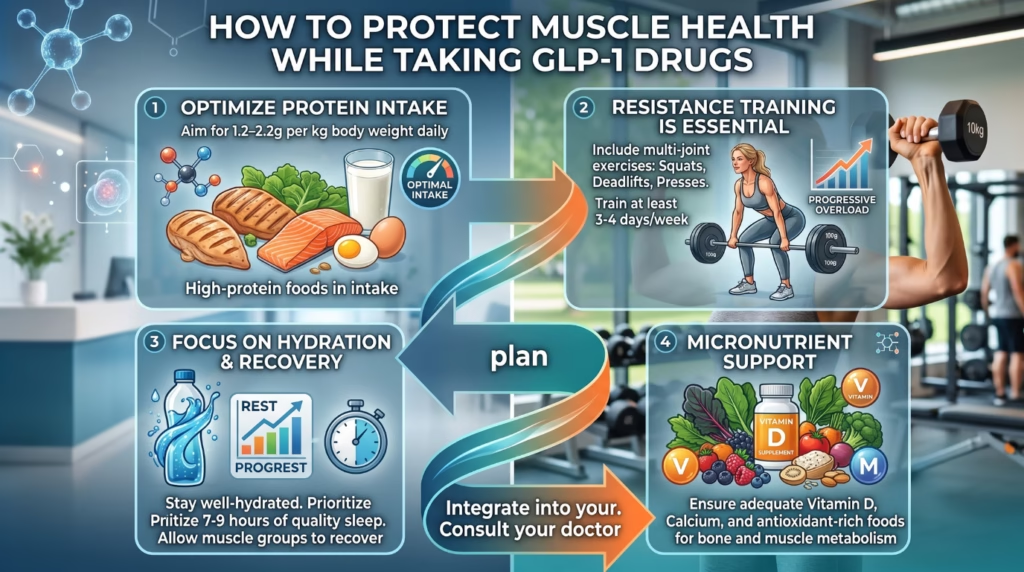
Strategy 5: Prioritize Hydration and Electrolytes
Dehydration is a common side effect of GLP-1 therapies due to reduced fluid and food intake. Because skeletal muscle tissue is comprised of roughly 75% water, chronic dehydration can reduce muscle cell volume, impair physical performance, and accelerate muscle breakdown.
- Drink water consistently throughout the day.
- Supplement with balanced electrolytes (sodium, potassium, magnesium) if experiencing low blood pressure, lightheadedness, or muscle cramping during workouts.
The Role of Physical Therapy and Exercise Physiology
If you are starting a GLP-1 medication and have pre-existing joint pain, chronic back issues, or limited exercise experience, navigating a resistance training program can feel daunting.
Consulting a physical therapist or certified exercise physiologist provides personalized guidance:
- Pre-Exercise Evaluation: Assessing joint mobility, movement patterns, and baseline strength.
- Customized Resistance Programs: Designing safe exercise progressions tailored to your current fitness level and joint health.
- Injury Prevention: Ensuring proper biomechanics during loaded movements to protect your spine, knees, and shoulders.
Final Thoughts
GLP-1 receptor agonists represent a landmark breakthrough in metabolic health and obesity management. They offer millions of people a powerful tool to reduce visceral fat, lower cardiovascular risk, and improve quality of life.
However, medication is only one piece of the puzzle. Weight loss without muscle preservation compromises your long-term metabolic health, strength, and durability.
By pairing GLP-1 therapy with adequate protein intake, progressive resistance training, controlled weight loss rates, and body composition tracking, you can transform your health safely, losing unwanted body fat while building a stronger, more resilient body for years to come.
Expert Consultation
If you are taking GLP-1 weight-loss medications and want to ensure you are losing fat while protecting your muscle mass, consulting a physical therapist is essential for building a safe, structured resistance program. At Tariq Medicare in Khanewal, Dr. M. Usman Barkat and the PhysioUBK clinical team provide expert, individualized physical therapy evaluations tailored to your metabolic and joint health needs. Whether you are managing joint discomfort, recovering from movement restrictions, or seeking a personalized strength strategy, visit us at Tariq Medicare or connect with us online at physioubk.com to schedule your consultation today.

What is a Functional Capacity Evaluation (FCE) in Physical Therapy?
CLINICAL GUIDE & ASSESSMENT PROTOCOL An exhaustive, clinician-reviewed guide explaining the protocols, physical tolerance metrics,…
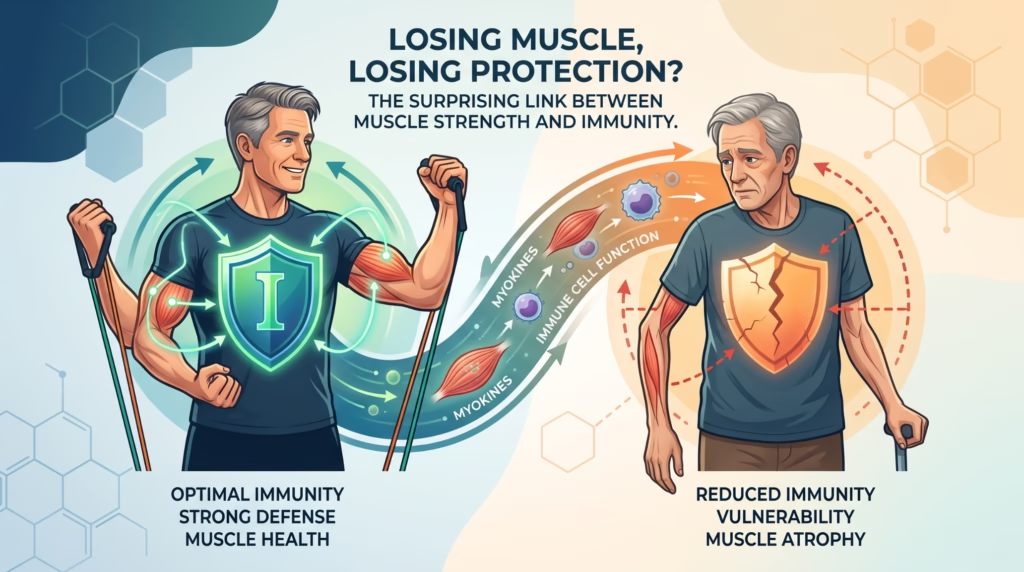
Losing Muscle, Losing Protection? The Surprising Link Between Muscle Strength and Immunity
When most people think of the immune system, they picture white blood cells, lymph nodes,…

Sleep Better, Think Better: Can a 20-Minute Workout Undo a Sleepless Night?
Waking up after a sleepless night of tossing and turning feels like trying to operate…
Strong Today, Weak Tomorrow? 6 Habits That Make the Difference
Physical strength often feels permanent when we have it. When you can effortlessly carry heavy…

The 5 Best Deep Core Exercises for Chronic Lower Back Pain
Lower back pain is the leading cause of disability worldwide. Millions of people wake up…

Better Posture, Less Pain: 7 Bad Habits That Are Hurting Your Spine
In our modern world, back and neck pain have become almost universal human experiences. We…
Weight loss is important, but preserving muscle is just as important for long-term health. This is a great reminder that strength training, adequate protein, and regular movement should be part of the conversation around GLP-1 medications. A valuable read for anyone looking to lose weight while staying strong and functional!
Losing weight shouldn’t mean losing strength. Understanding muscle preservation is an essential part of healthy, sustainable weight management. Great insights in this article!