Work out with DOMS: To Rest or to Train?
Every athlete and fitness enthusiast eventually faces the same morning-after surprise: waking up so stiff that even walking down the stairs feels like a chore. This is Delayed Onset Muscle Soreness (DOMS), a deep muscular ache that typically peaks 24 to 48 hours after an intense or unfamiliar workout.
Historically, the standard advice was simple: if you’re sore, rest. However, modern sports physiotherapy has evolved.
Prolonged, passive rest often leads to joint stiffness, muscle shortening, and a sluggish lymphatic system. Instead, clinical evidence shows that targeted functional fitness and active recovery are actually much faster pathways to relief. By keeping your body moving through controlled, multi-planar patterns, you can actively speed up tissue repair and restore pain-free mobility.
Find out 7 Ways to Relieve Sore Muscles & DOMS After Workout. Quick Recovery Tips and Ibuprofen for DOMS. This blog post demonstrate visually about ways to relieve sore muscles and explain ibuprofen usage in DOMS.
Biomechanical Mechanics: Why Active Recovery Wins
From a physiological standpoint, absolute rest is a passive state, whereas healing is an active process.
When muscle fibers sustain microscopic tears during exercise, they trigger a localized inflammatory response. While this inflammation is necessary for muscle growth, the chemical waste products (such as lactic acid and hydrogen ions) can pool in the tissues if you remain completely sedentary.
This is where the transition to functional fitness integration changes the game. Unlike traditional machine exercises that lock you into a single, rigid line of motion, functional training focuses on three-dimensional, full-body movement.
Active Recovery vs. Absolute Rest for DOMS
| Physiological Factor | Absolute Sedentary Rest | Active Functional Recovery | Clinical Impact on DOMS |
| Blood & Lymph Flow | Minimal; relies on basic systemic circulation. | High; muscular contractions act as a natural pump. | Rapidly flushes out metabolic waste and delivers fresh, oxygenated blood to healing tissues. |
| Joint Lubrication | Decreased; synovial fluid pools and thickens. | Increased; movement stimulates synovial fluid production. | Alleviates joint stiffness and preserves functional range of motion. |
| Neuromuscular Pathway | Remains dormant or guarded (protective splinting). | Gently stimulated via low-load, multi-planar movement. | Resets the brain’s “pain alarm,” lowering overall muscle guarding and tension. |
| Tissue Alignment | Scar tissue forms in random, disorganized patterns. | Gentle tension aligns new collagen fibers along natural lines of pull. | Prevents chronic tightness and ensures future muscle elasticity. |
The Green-Light Checklist: When Is It Safe to Train?
Before jumping back onto the exercise mat, you need to differentiate between safe, normal muscle soreness (DOMS) and actual acute injury.
[Is the pain symmetrical?] ──> Yes ──> [Does it ease with movement?] ──> Yes ──> [Safe to Train (Borg 3-4)]
       │                                     │
       No (Unilateral)                       No (Sharp/Pinching)
       ▼                                     ▼
 [High Risk of Injury]                 [Absolute Rest / Consult Physio]
Use this quick clinical checklist to determine if you should proceed with an active recovery session:
- Is the pain bilateral (on both sides of the body)? Normal DOMS is symmetrical. If only one knee, shoulder, or side of your lower back hurts, you may be dealing with a localized strain or sprain.
- Does the pain improve with light movement? DOMS typically softens and feels better once your body warms up and blood starts pumping. Acute injuries feel worse as you keep moving.
- Is your range of motion functional? If your soreness is so severe that you cannot bend your knees past 90 degrees or lift your arms to shoulder height, your body is too inflamed for a workout. Focus on gentle mobility and static stretching instead.
3 Functional Fitness Movements for Active Recovery
If you have the “green light” to move, your goal is to utilize low-intensity, full-body movements that restore kinetic chain alignment without adding extra structural stress.
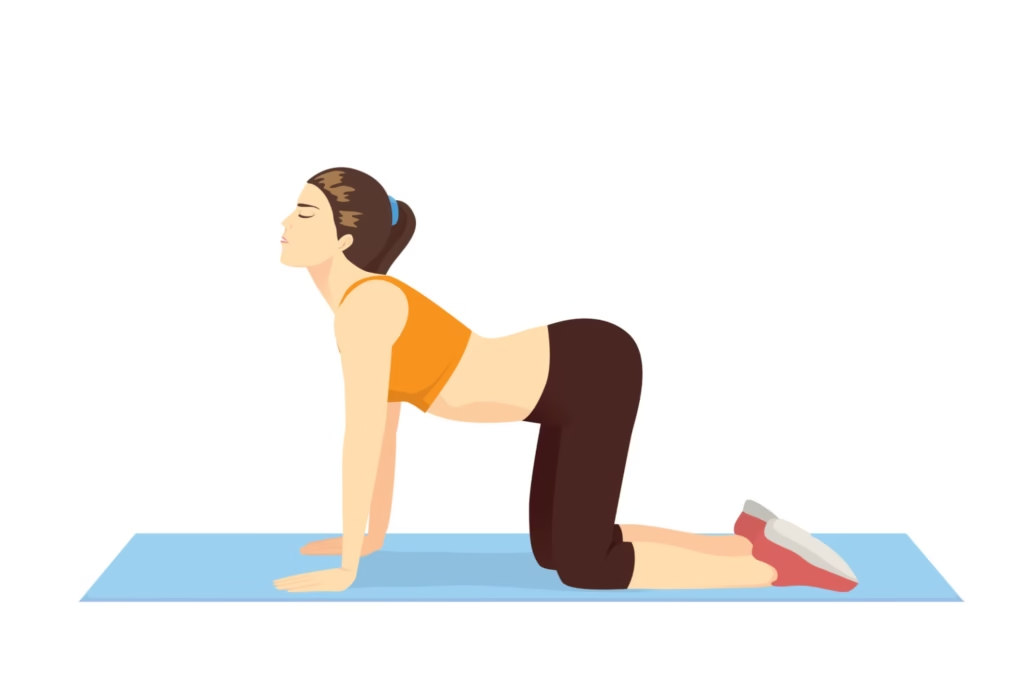
1. The Dynamic Cat-Cow Flow
- Target Area: Entire spinal column (cervical to lumbar) and deep stabilizing muscles.
- Biomechanical Execution: Start on your hands and knees in a tabletop position. Inhale as you arch your back, dropping your belly toward the floor while lifting your chest and gaze upward. Exhale as you round your spine toward the ceiling, tucking your chin and tailbone tightly.
- Clinical Impact: This gentle sagittal-plane movement lubricates the spinal facets, decompresses tight paraspinal pathways, and co-activates the deep core stabilizers without loading the joints.
Source: solar22 / Getty Images
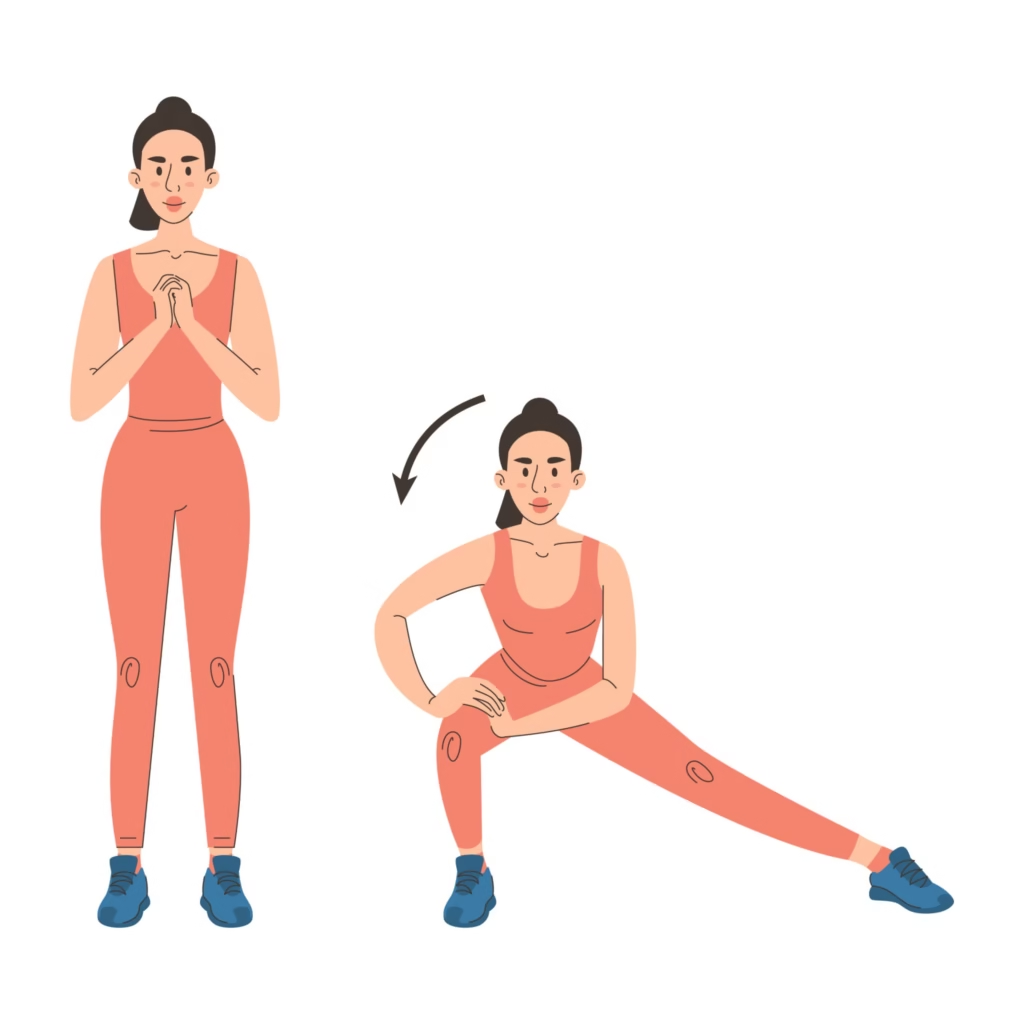
2. Supported Multi-Planar Lunges
- Target Area: Hip flexors, glutes, and lateral stabilizers.
- Biomechanical Execution: Stand tall near a wall or chair for light balance support. Step forward into a shallow, comfortable lunge. Return to standing, then step out diagonally at a 45-degree angle. Finally, step directly out to the side. Repeat 5 to 8 times on each leg.
- Clinical Impact: Sitting at a desk locks your hips in one plane. This multi-directional lunging sequence gently co-activates the gluteus medius and stretches the hip adductors, restoring multi-planar coordination.
Source: Gleb Kosarenko / Getty Images.
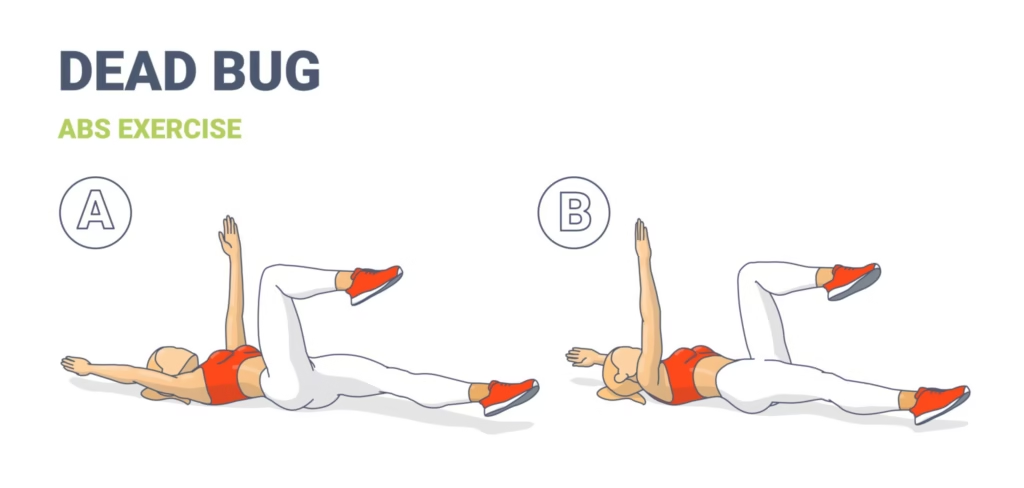
3. De-Loaded Tabletop Dead Bug
- Target Area: Deep core bracing and pelvic stabilizers.
- Biomechanical Execution: Lie flat on your back, lifting your legs into a bent, modified tabletop position. Keeping your lower back pressed firmly against the mat, slowly lower one heel to lightly tap the floor, then lift it back up using your lower abdominals. Alternate sides slowly while keeping your arms flat by your sides for stability.
- Clinical Impact: This exercise challenges deep core stability while completely removing gravity’s load from your spine. It re-educates your trunk to brace dynamically, easing the lower back tightness often caused by severe leg soreness.
Source: Oleksii Bulgakov / Getty Images.
Managing Your Training Volume: The Borg Recovery Zone
The number one mistake athletes make during active recovery is pushing too hard. When your primary goal is muscle repair, keeping your intensity low is essential.
To keep your workout safe, use the Borg CR10 Scale of Perceived Exertion. During active recovery, your intensity should never exceed a Score of 2 to 3 (Easy to Moderate).
Borg Intensity Guide for Active Recovery
| Exertion Rating | Recovery Target | Physical Feedback | Guideline |
| Score 1–2 | Very Easy | Warmth, very light breathing, no joint strain. | Ideal for early morning mobility or gentle active stretching. |
| Score 3 | Moderate (The Sweet Spot) | Steady breathing, light muscle warmth, minor fatigue. | Target zone for DOMS active recovery sessions. |
| Score 4–5 | Hard | Heavy breathing, muscles starting to burn. | Too high for active recovery; will delay muscle tissue repair. |
| Score 6+ | Exhausting | Form breakdown, joint pinching, muscle guarding. | Stop immediately. This level increases your risk of acute injury. |
The Takeaway: Listen to Your Body
Functional fitness proves that recovery is not about doing nothing—it is about moving with purpose. By replacing absolute rest with gentle, deliberate, multi-planar active recovery exercises, you can easily ease post-workout stiffness, protect your joints from injury, and return to your regular training program faster and stronger.
About the PhysioUBK Editorial Team:
This recovery guide was curated by the PhysioUBK editorial team, under the supervision of Dr Usman Barkat PT. Physioubk.com is a leading digital voice in physical medicine, dedicated to translating sports recovery science, biomechanics, and structural physical health profiles into actionable guides for an international audience. For deep-dive clinical advice or to find advanced care options at Tariq Medicare Khanewal, stay connected to our updated medical platform.
Book Appointment and consult online with our worthy Dr Usman Barkat PT.

Tech Neck: 5 Desk Habits That Hurt Your Neck
Your head weighs about 5 kg. Tilt it forward 60 degrees to look at your…
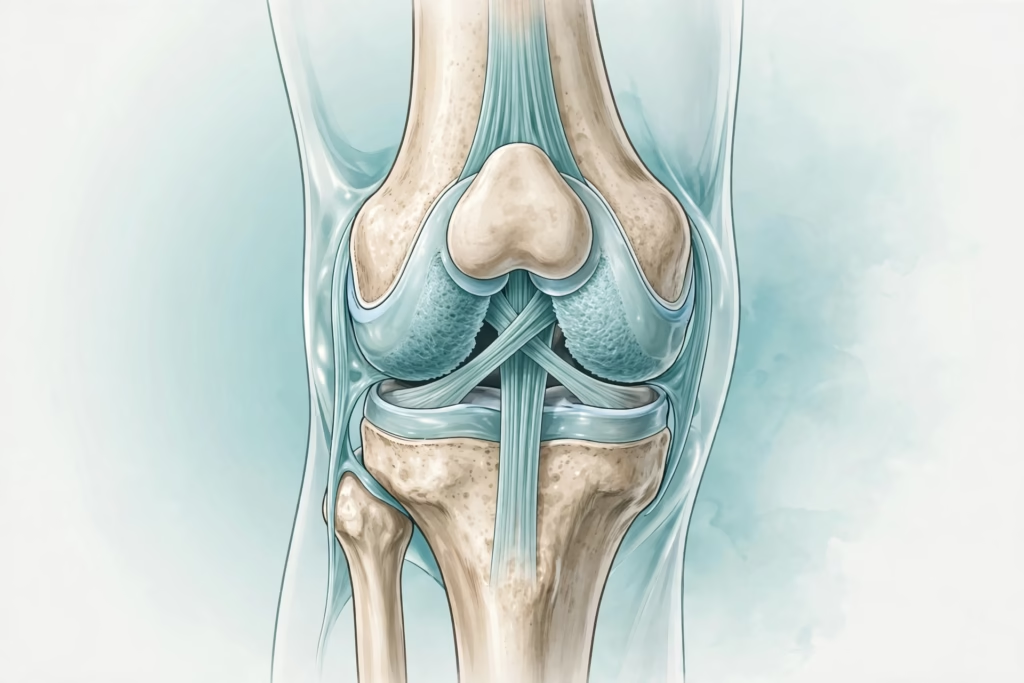
Knee Pain Treatment in Khanewal: Walk, Climb, and Squat Without Fear
A few weeks ago a schoolteacher in her early fifties walked into my clinic and…

How to Choose the Right Pillow for Neck Pain
“Best pillow for neck pain” is one of the fastest-rising health searches in Pakistan —…

The Best Sleeping Positions for Sciatica Pain
There’s a special cruelty to sciatica at night. The day was manageable — then you…
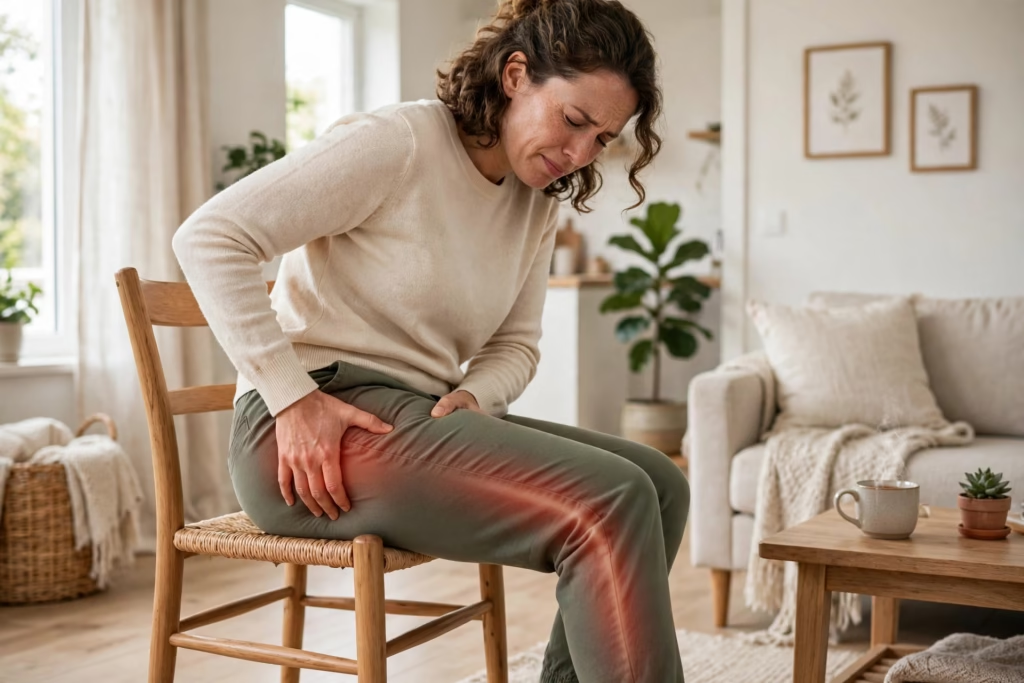
Sciatica or Piriformis Syndrome? How to Tell the Difference
“Doctor sahab, mujhe sciatica hai” — I hear this almost daily. But here’s the thing:…
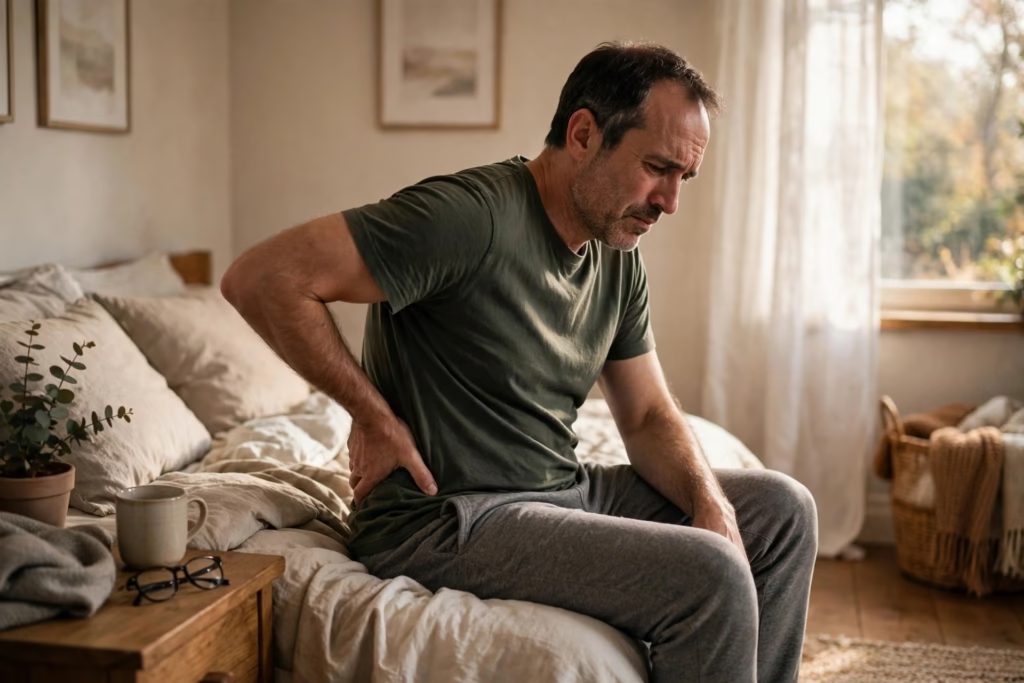
Kamar Dard Ka Ilaj: When Home Remedies Aren’t Enough
Kamar dard Pakistan mein itna aam hai ke taqreeban har ghar mein koi na koi…