
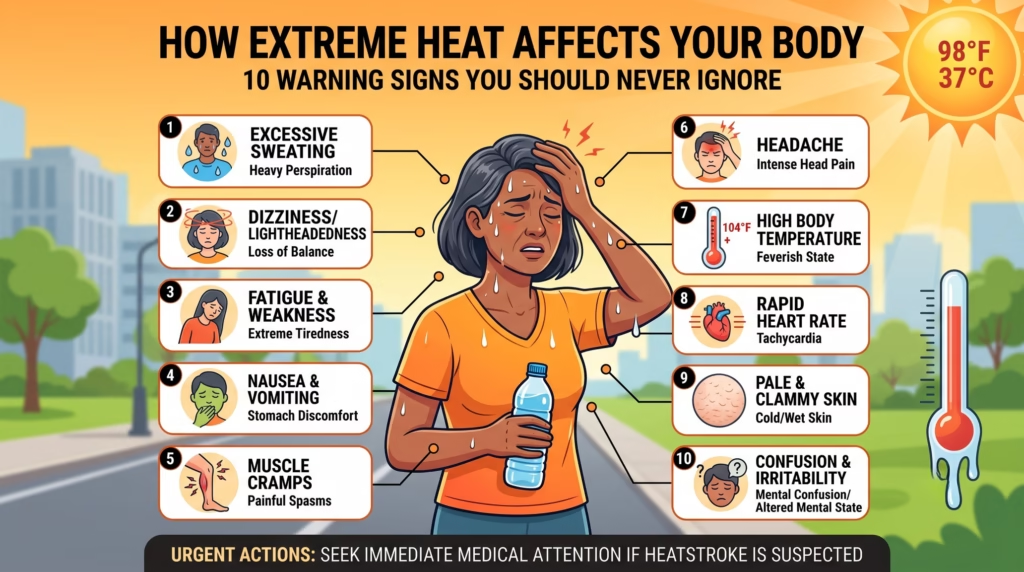
Rising global temperatures and scorching summer heatwaves have transformed high temperatures from a seasonal inconvenience into a serious public health threat. Whether you are an outdoor construction worker logging hours in direct sunlight, a senior citizen managing cardiovascular health, an active athlete pushing through a workout, or a parent caring for young children, extreme heat places an extraordinary physiological burden on the human body.
When the ambient temperature climbs and humidity spikes, your body’s internal cooling systems must work overtime to prevent dangerous core temperature elevations. If those cooling mechanisms fail or become overwhelmed, minor discomfort can quickly spiral into severe heat illness.
Recognizing how extreme heat disrupts your internal biology, and knowing the critical warning signs you should never ignore, can mean the difference between safe recovery and a life-threatening medical emergency.
The Physiology of Heat: How Your Body Cools Itself
To understand why extreme heat is so dangerous, it helps to examine how your internal thermostat works. Your normal core body temperature hovers around 98.6°F (37°C). To maintain this balance when exposed to high heat or physical exertion, your brain’s hypothalamus triggers two primary cooling responses:
- Vasodilation: Blood vessels close to the skin expand, redirecting warm blood from your internal organs toward your skin’s surface so heat can escape into the surrounding air.
- Sweating (Evaporative Cooling): Your sweat glands secrete moisture onto your skin. As that sweat evaporates, it cools your body down.
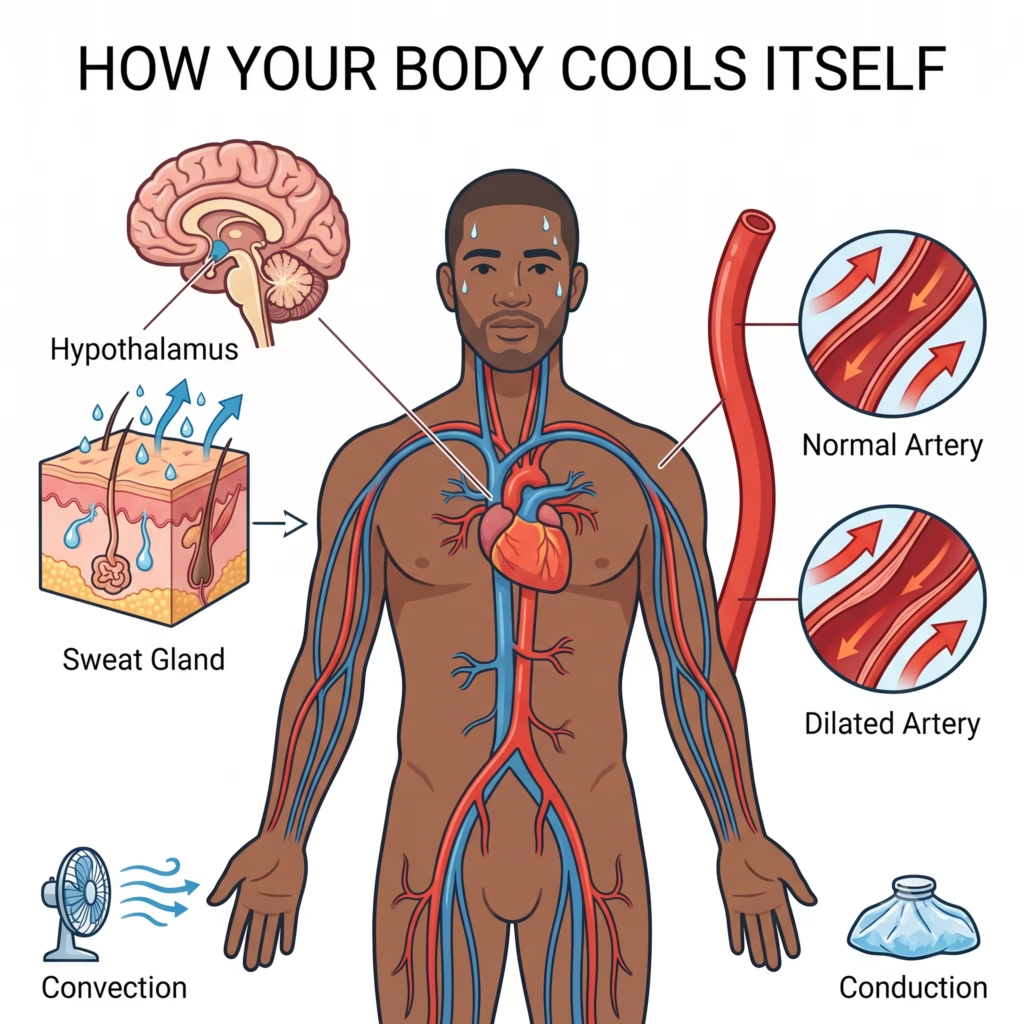
However, this system has limits. When ambient humidity is high, sweat cannot evaporate efficiently, trapping heat inside your body. Furthermore, when your heart must pump large volumes of blood to the skin for cooling while supplying working muscles during physical activity, the cardiovascular system experiences massive strain.
When your cooling capacity is exhausted, core temperature rises, leading to progressive stages of heat-related illness: heat cramps, heat exhaustion, and ultimately, fatal heatstroke.
The Vulnerable Populations: Who Is Most at Risk?
While anyone can suffer from heat illness, certain groups face significantly higher biological vulnerability:
- Seniors and Older Adults: Age-related changes in the cardiovascular system, diminished skin blood flow, and a reduced sense of thirst make it harder for older adults to notice or react to overheating.
- People with Chronic Conditions: Individuals with heart disease, diabetes, obesity, or kidney disorders have compromised physiological reserves to handle heat stress. Certain medications (such as diuretics, beta-blockers, and antihistamines) further impair the body’s ability to regulate temperature or stay hydrated.
- Outdoor Workers and Laborers: Constantly exposed to direct sunlight and physical exertion, outdoor workers face prolonged thermal accumulation throughout the day.
- Athletes and Fitness Enthusiasts: High-intensity exercise generates massive amounts of internal metabolic heat, which can easily overwhelm environmental cooling capacity during hot spells.
- Infants and Young Children: Children have a higher surface-area-to-mass ratio than adults, produce more metabolic heat relative to their size, and rely entirely on caregivers to keep them hydrated and cool.
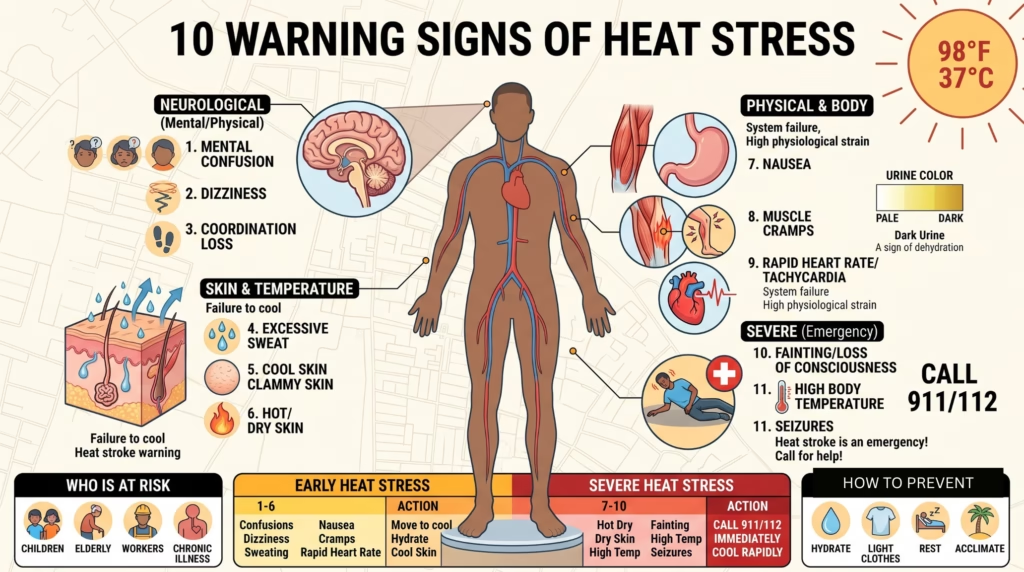
10 Warning Signs of Heat Stress You Should Never Ignore
When your body begins to buckle under extreme thermal stress, it sends clear warning signals. Ignoring these symptoms can allow mild heat exhaustion to progress rapidly into life-threatening heatstroke.
1. Throbbing Headaches and Dizziness
A pounding headache or sudden lightheadedness is often one of the earliest indicators that heat is affecting your central nervous system. As blood vessels dilate to cool the skin, blood pressure can drop temporarily, reducing oxygen flow to the brain and causing dizziness, unsteadiness, or cognitive fog.
2. Excessive Sweating (or Sudden Cessation of Sweat)
Profuse, drenching sweat is your body’s initial frantic attempt to cool down. However, if you notice that you have suddenly stopped sweating entirely despite high heat and exertion, this is a profound medical red flag. It indicates that your body has run out of fluids, your sweat glands have shut down, and you are hurtling toward heatstroke.
3. Nausea, Vomiting, and Stomach Cramps
Extreme heat pulls blood away from your gastrointestinal tract and redirects it to your skin and muscles to aid cooling. This sudden drop in visceral blood flow disrupts digestion, triggering intense nausea, stomach upset, vomiting, and painful abdominal cramps.
4. Muscle Cramps and Spasms (Heat Cramps)
Painful involuntary muscle spasms, frequently striking the calves, thighs, or abdomen, occur when heavy sweating depletes your body of critical electrolytes (sodium and potassium) and fluids. While heat cramps are often the mildest form of heat illness, they serve as a clear warning that your electrolyte balance is critically compromised.
5. Rapid Pulse and Rapid Breathing (Tachypnea)
When your core temperature rises, your heart rate spikes to pump more blood to your skin for cooling. If you notice your heart racing or your breathing becoming shallow and fast while resting or performing normal tasks, your cardiovascular system is under severe thermal distress.
6. Extreme Fatigue, Weakness, and Lethargy
Feeling utterly drained, weak, or profoundly sluggish on a hot day is more than just feeling tired. It is a sign of systemic dehydration and electrolyte depletion. Your muscles lack the cellular energy and fluid balance required to contract efficiently.
7. Confusion, Agitation, or Altered Mental State
When body temperature climbs past 103°F (39.4°C), the brain begins to suffer thermal injury. Confusion, disorientation, slurred speech, irrational behavior, irritability, or hallucinations are classic signs of heatstroke, a true medical emergency requiring immediate 911 intervention.
8. Hot, Flushed, and Dry Skin
In heat exhaustion, skin is typically pale, cool, and moist. However, in advanced heatstroke, the skin often becomes intensely hot, red, flushed, and completely dry. The absence of sweat combined with searing skin heat indicates that internal thermoregulation has completely failed.
9. Fainting or Syncope (Passing Out)
Sudden dizziness that culminates in fainting usually occurs when prolonged standing or exertion in the heat causes blood to pool in the lower extremities, starving the brain of oxygenated blood. Never brush off a fainting episode during high temperatures.
10. Dark Urine or Complete Cessation of Urination
Your kidneys act as the ultimate barometer of your hydration status. If your urine turns dark amber or brownish, or if you go several hours without needing to urinate while exposed to heat, your body is desperately conserving internal water due to severe dehydration.
Heat Exhaustion vs. Heatstroke: Knowing the Difference
It is vital to distinguish between heat exhaustion and heatstroke, as their treatments and severity differ drastically.
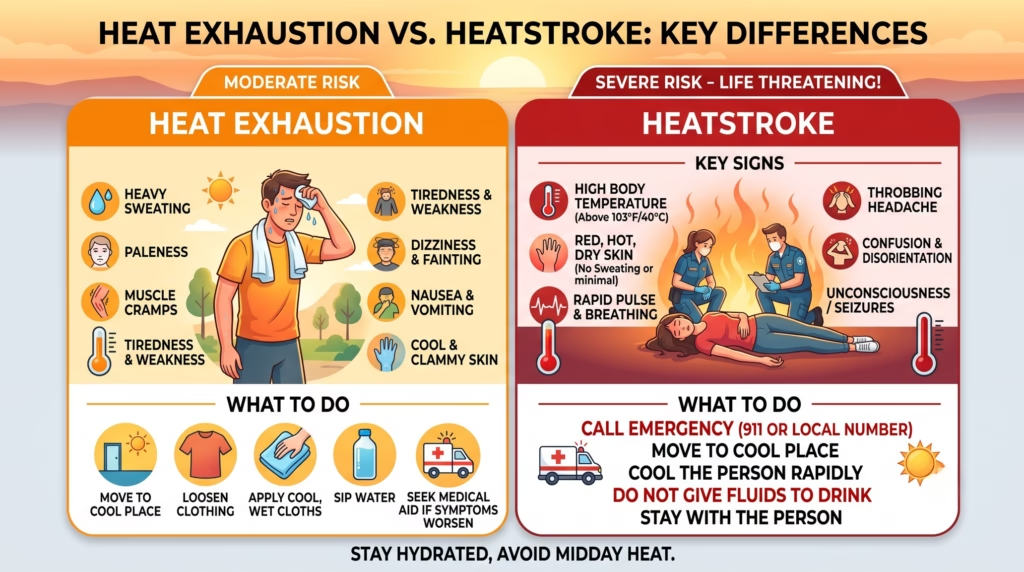
- Heat Exhaustion: A moderate heat illness characterized by heavy sweating, pale skin, muscle cramps, fatigue, dizziness, headache, and nausea. Body temperature is usually elevated but below 104°F (40°C).
- Action: Move the person to a shady or air-conditioned room, loosen tight clothing, have them sip cool water, and apply wet cloths to their skin.
- Heatstroke: A life-threatening medical emergency where core body temperature exceeds 104°F (40°C). Symptoms include altered mental state, confusion, loss of consciousness, hot/dry skin (or profuse sweating), rapid pulse, and seizures.
- Action: Call 911 immediately. Aggressively cool the person by immersing them in cold water or an ice bath, placing ice packs on their armpits, groin, and neck, and fanning them continuously while waiting for emergency responders.
Actionable Strategies to Protect Yourself in Extreme Heat
Prevention is always safer and more effective than emergency treatment. Implement these protective measures during high-heat advisories:
1. Master Strategic Hydration
- Do not wait until you feel thirsty to drink water; thirst is a delayed indicator of dehydration.
- Sip cool water consistently throughout the day. If you are sweating heavily during strenuous outdoor work or exercise, supplement with an electrolyte solution containing sodium and potassium to replace lost minerals.
- Avoid alcohol, excessive caffeine, and sugary sodas, which can accelerate dehydration.
2. Time Your Exposure
- If you are an outdoor worker, fitness enthusiast, or parent planning outdoor activities, schedule strenuous tasks for the coolest parts of the day, early morning (before 10:00 AM) or late evening (after 6:00 PM).
- Take frequent rest breaks in shaded or air-conditioned environments (aim for 10–15 minutes of rest in the shade for every hour of outdoor work).
3. Wear Appropriate, Breathable Clothing
- Choose lightweight, loose-fitting, and light-colored clothing made from breathable synthetic fabrics (like moisture-wicking athletic wear) or natural fibers like loose cotton or linen. Light colors reflect sunlight rather than absorbing it.
- Protect your head and eyes with a wide-brimmed hat and UV-blocking sunglasses. Always apply broad-spectrum sunscreen (SPF 30 or higher), as sunburn damages the skin’s ability to release heat effectively.
4. Protect Vulnerable Family Members and Neighbors
- Check in frequently on elderly relatives, neighbors who live alone, and individuals with chronic medical conditions during heatwaves. Ensure their living spaces have working air conditioning or adequate cross-ventilation fans.
- Never leave children, elderly adults, or pets unattended in a parked vehicle, even for a few minutes. Car internal temperatures can skyrocket by 20°F in just 10 minutes, turning a vehicle into a fatal heat trap.
Final Thoughts
Extreme heat is a silent and formidable stressor that tests the limits of human physiology. By understanding how high temperatures impact your body, respecting your biological limits, and paying close attention to the 10 warning signs of heat stress, you can protect yourself, your family, and your community. Stay cool, stay hydrated, and never ignore what your body is trying to tell you.
Visit physioUBK.com for more healthcare advices and workout sessions !
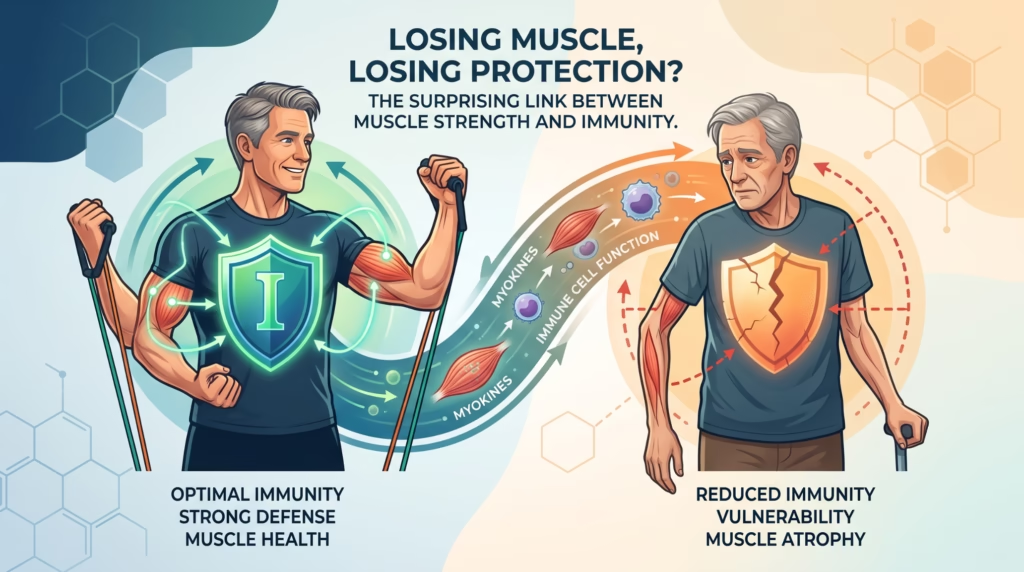
Losing Muscle, Losing Protection? The Surprising Link Between Muscle Strength and Immunity
When most people think of the immune system, they picture white blood cells, lymph nodes,…
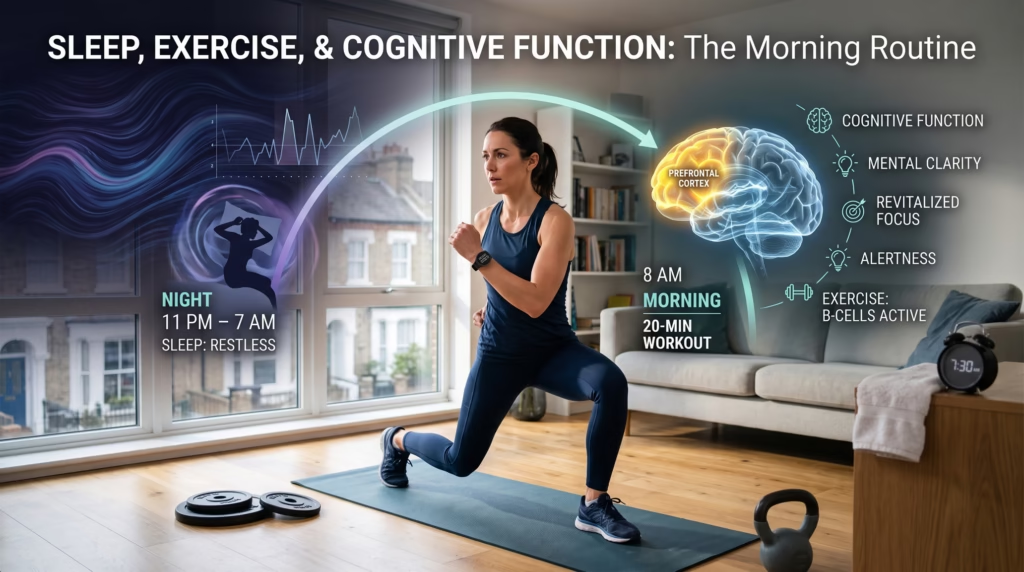
Sleep Better, Think Better: Can a 20-Minute Workout Undo a Sleepless Night?
Waking up after a sleepless night of tossing and turning feels like trying to operate…
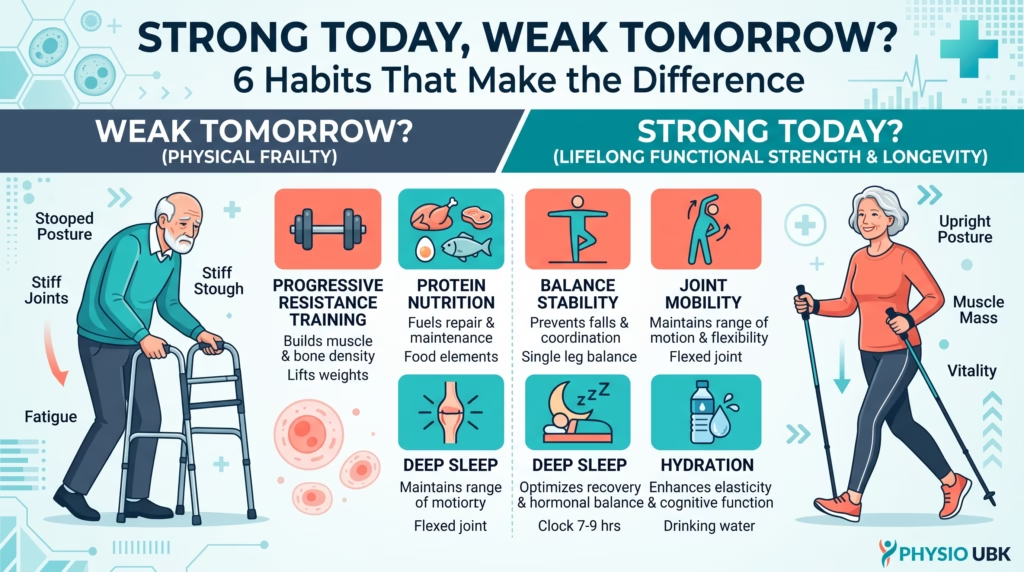
Strong Today, Weak Tomorrow? 6 Habits That Make the Difference
Physical strength often feels permanent when we have it. When you can effortlessly carry heavy…
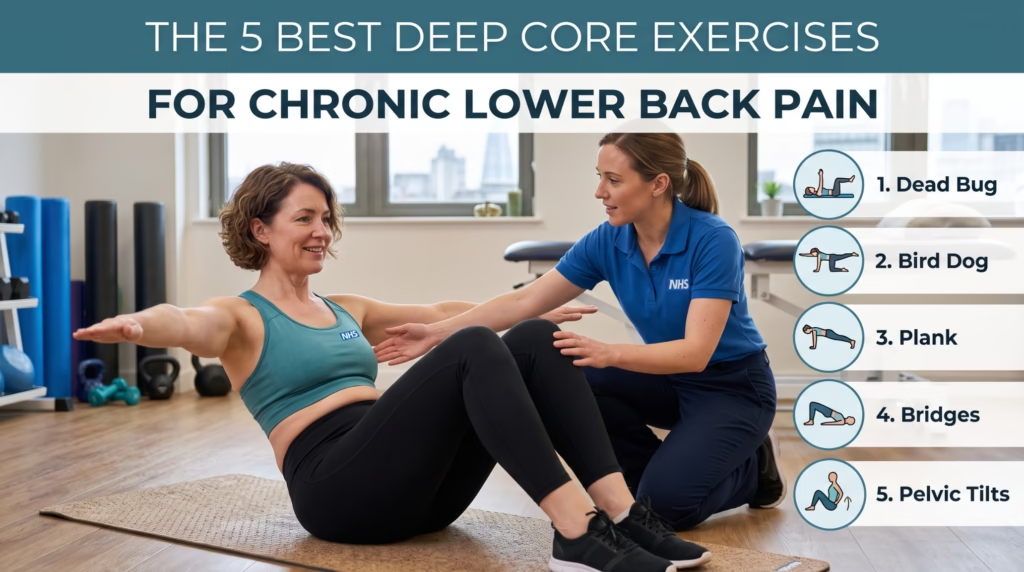
The 5 Best Deep Core Exercises for Chronic Lower Back Pain
Lower back pain is the leading cause of disability worldwide. Millions of people wake up…
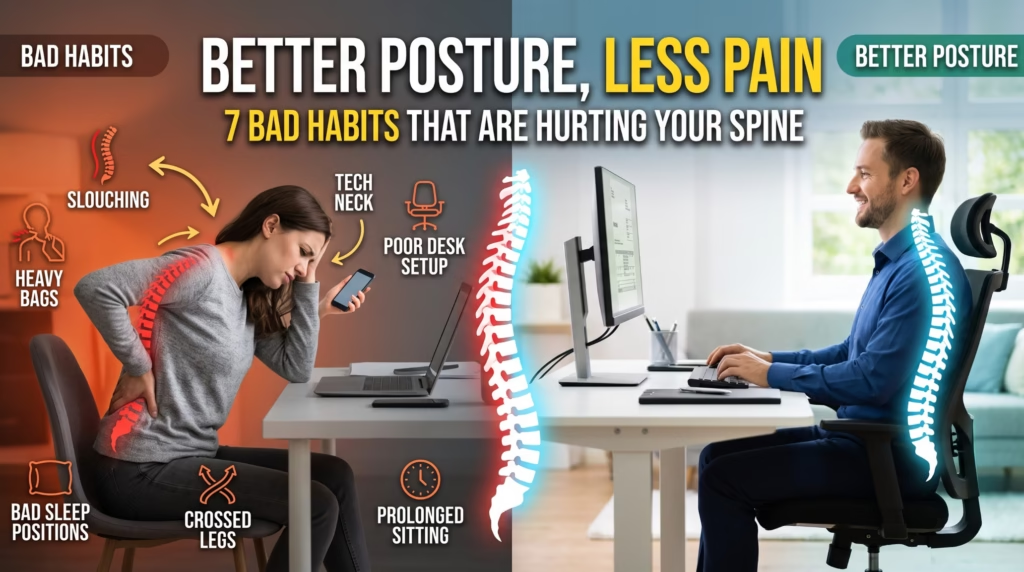
Better Posture, Less Pain: 7 Bad Habits That Are Hurting Your Spine
In our modern world, back and neck pain have become almost universal human experiences. We…
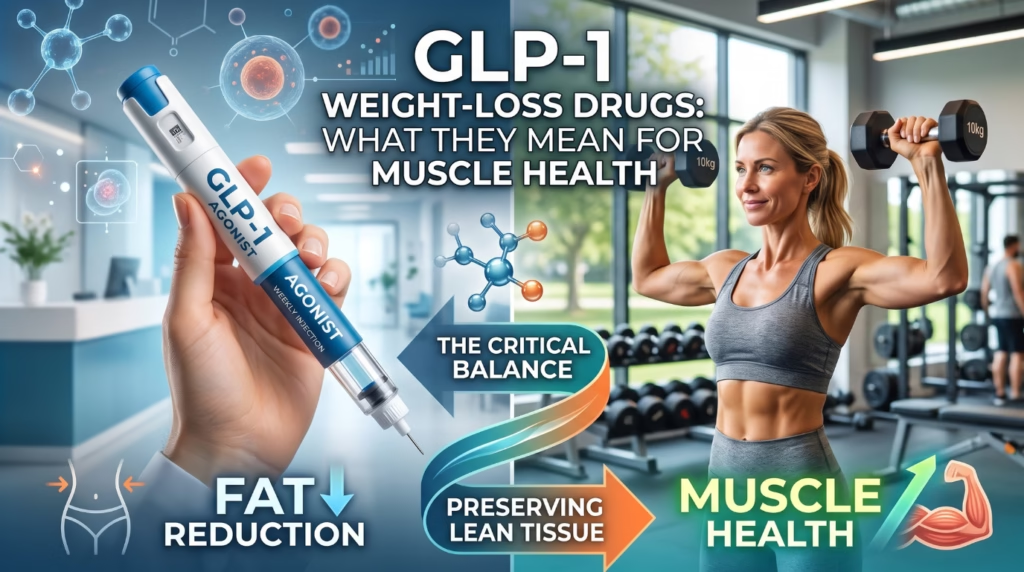
GLP-1 Weight-Loss Drugs: What They Mean for Muscle Health
The landscape of metabolic medicine and weight management has undergone a historic transformation. Medications like…