
In today’s fast-paced world, “I’m so stressed” has become a default response when catching up with friends, colleagues, or family. We wear our busyness like a badge of honor, pushing through long workdays, late-night study sessions, endless caregiving demands, and packed weekends.
However, there comes a point where everyday stress morphs into something far more insidious: burnout.
Whether you are a corporate professional navigating high-stakes projects, an entrepreneur running a business, a university student juggling exams, a teacher managing a crowded classroom, or a caregiver supporting a loved one, burnout does not discriminate.
While stress and burnout are often used interchangeably, they are biologically and psychologically distinct states. Mistaking burnout for simple stress can lead you to adopt solutions that make the problem worse.
In this comprehensive guide, we will break down the crucial differences between stress and burnout, explore 10 distinct warning signs, and provide evidence-based, actionable strategies to help you recover your energy, focus, and vitality.
Stress vs. Burnout: Understanding the Key Difference
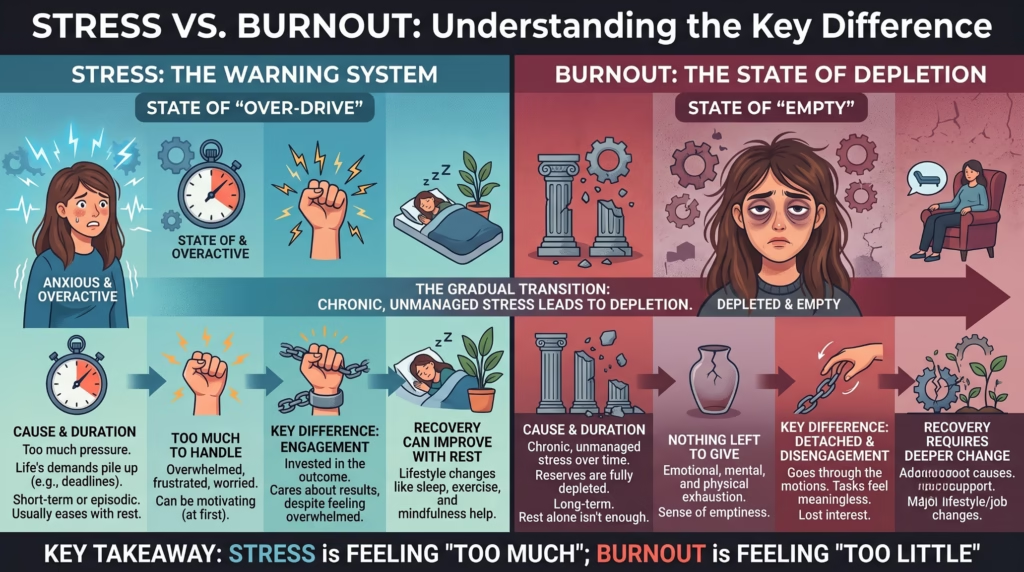
To tackle burnout, you must first understand what sets it apart from everyday stress.
The World Health Organization (WHO) officially recognizes burnout in the International Classification of Diseases (ICD-11) as an occupational phenomenon. It defines burnout as a syndrome resulting from chronic workplace stress that has not been successfully managed.
The fundamental distinction lies in engagement vs. depletion:
- Stress is characterized by too much: Too many demands, too many responsibilities, and too much pressure. When you are stressed, you are over-engaged. Your body produces elevated levels of stress hormones (cortisol and adrenaline), driving you to urgency. Stressed individuals often believe that if they can just get everything under control, they will feel better.
- Burnout is characterized by not enough: Not enough energy, not enough motivation, and not enough emotion. Burnout is a state of severe physical, mental, and emotional exhaustion caused by prolonged, unmanaged stress. Instead of feeling over-engaged, you feel completely disengaged, detached, and hopeless.
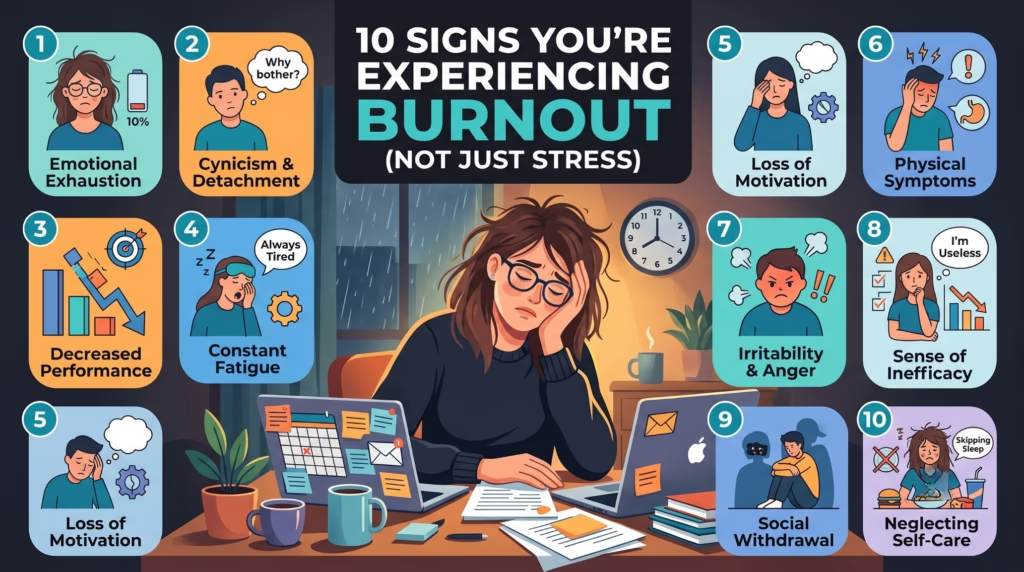
10 Critical Warning Signs You Are Experiencing Burnout
1. Chronic, Unyielding Exhaustion
Unlike normal fatigue that disappears after a solid night of sleep or a relaxing weekend, burnout fatigue is deep, systemic, and relentless.
You wake up feeling just as tired as when your head hit the pillow. Basic tasks, like opening your inbox, preparing a meal, or folding laundry, feel like climbing a mountain. This exhaustion affects you on three levels:
- Physical: Heavy limbs, persistent low energy, and slow recovery.
- Emotional: Feeling drained and incapable of offering empathy or enthusiasm.
- Cognitive: Brain fog, slurred focus, and slow mental processing.
2. Growing Cynicism, Detachment, and Negativity
Cynicism is one of the three core clinical pillars of burnout. It serves as an unconscious psychological defense mechanism: when your mind can no longer handle the emotional load of your environment, it detaches.
You might notice yourself:
- Feeling unusually bitter or irritable toward co-workers, clients, students, or family members.
- Adopting a “what’s the point?” attitude toward projects you used to care about deeply.
- Distancing yourself emotionally from your work, caregiving duties, or social relationships.
3. A Deep Sense of Inefficacy and Reduced Performance
Burnout directly impacts your confidence and ability to perform. Even if you are putting in the same (or more) hours, your productivity declines, and simple tasks take twice as long to complete.
This creates a painful internal loop: as your performance drops, you begin to doubt your skills, expertise, and worth. You may feel like a fraud or believe that no matter how hard you try, your contributions do not matter.
4. Sleep Disturbances and Late-Night “Revenge Procrastination”
Despite feeling utterly exhausted throughout the day, people experiencing burnout often struggle to sleep at night, a frustrating paradox known as being “tired but wired.”
Common sleep patterns during burnout include:
- Initial Insomnia: Laying awake for hours as your mind races with anxieties, unfinished tasks, or tomorrow’s demands.
- Middle-of-the-Night Waking: Waking up around 3:00 AM with a racing pulse and an inability to fall back asleep.
- Bedtime Revenge Procrastination: Intentionally staying up late scrolling on your phone or watching TV because it feels like the only time of day where you have total autonomy over your time.
5. Unexplained Physical Symptoms and Lowered Immunity
The mind and body are intrinsically linked. When chronic stress drains your nervous system, your immune system takes a severe hit.
Prolonged high levels of stress hormones suppress immune function, leaving you vulnerable to frequent colds, infections, and slow wound healing. Furthermore, somatic symptoms often manifest, including:
- Persistent tension headaches or migraines.
- Frequent muscle aches, shoulder tightness, or unexplained lower back pain.
- Gastrointestinal issues, such as bloating, stomach cramps, acid reflux, or IBS flare-ups.
6. Cognitive Decline: Brain Fog, Forgetfulness, and Indecision
Neurobiological research shows that chronic stress and burnout can alter the architecture of the brain, specifically shrinking the prefrontal cortex (responsible for executive functioning, planning, and decision-making) and enlarging the amygdala (the fear center).
As a result, you may notice:
- Difficulty concentrating on a single task for more than a few minutes.
- Forgetting appointments, misplacing key items, or dropping details.
- Experiencing “decision fatigue,” where picking what to wear or what to eat for dinner feels overwhelming.
7. Social Withdrawal and Isolation
When you are burnt out, social interactions require emotional energy you simply do not possess. As a result, you begin to pull away from your support networks.
You might stop responding to text messages, turn down invitations from friends, skip team social events, or isolate yourself at home. While isolation feels like a relief in the short term, it removes the very social support systems essential for emotional recovery.
8. Loss of Enjoyment in Things You Used to Love (Anhedonia)
Anhedonia, the inability to feel pleasure from activities you normally enjoy, is a classic sign that stress has crossed over into burnout or clinical depression.
If your favorite hobbies, exercise routines, creative pursuits, or quiet moments with loved ones now feel like chores on a to-do list, your reward pathways in the brain are depleted. Life feels monochrome rather than colorful.
9. Reliance on Unhealthy Coping Mechanisms
When your natural energy reserves are empty, it is easy to rely on external substances or behaviors to artificially boost your energy or numb your emotional distress.
Common unhealthy coping patterns include:
- Excessive caffeine consumption just to get through the workday.
- Relying on alcohol, sleeping aids, or substances to turn off your brain at night.
- Emotional overeating (especially high-sugar, comfort foods) or skipping meals entirely.
- Compulsive doom-scrolling, shopping, or gaming to escape reality.
10. Neglecting Personal Care and Boundaries
In the early stages of burnout, you might push harder to keep up. But as burnout deepens, personal boundaries collapse, and self-care drops to the bottom of your priority list.
You may find yourself:
- Working through lunch breaks and answering emails late into the night.
- Skipping workouts, stretching routines, or outdoor walks.
- Neglecting basic personal hygiene or delaying routine health check-ups.
- Saying “yes” to additional responsibilities because you are too exhausted to set firm boundaries.
The 5 Stages of Burnout: Where Do You Stand?
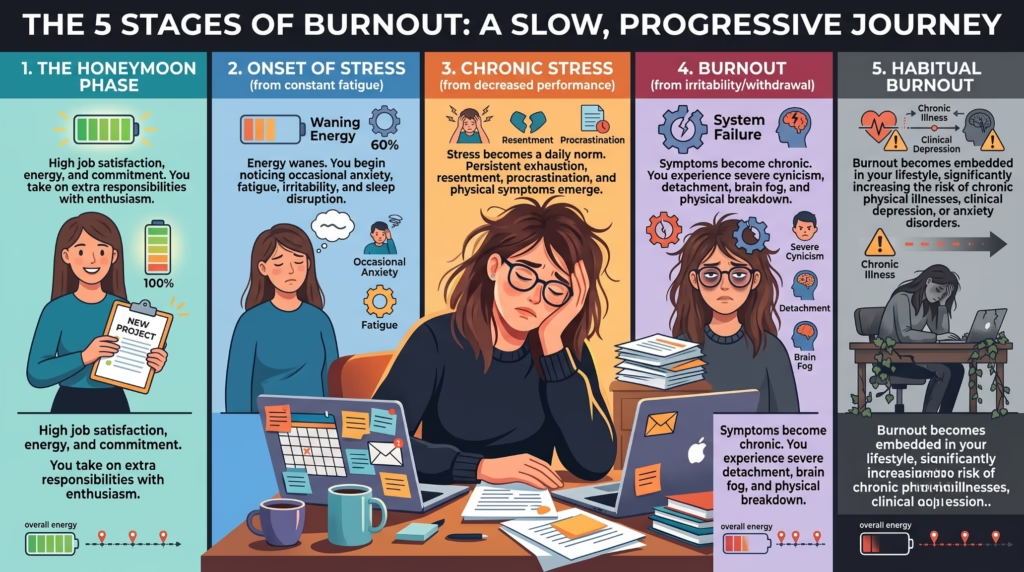
Burnout does not happen overnight. It is a slow, progressive journey through five distinct stages:
- The Honeymoon Phase: High job satisfaction, energy, and commitment. You take on extra responsibilities with enthusiasm.
- Onset of Stress: Energy wanes. You begin noticing occasional anxiety, fatigue, irritability, and sleep disruption.
- Chronic Stress: Stress becomes a daily norm. Persistent exhaustion, resentment, procrastination, and physical symptoms emerge.
- Burnout (The Crisis Phase): Symptoms become chronic. You experience severe cynicism, detachment, brain fog, and physical breakdown.
- Habitual Burnout: Burnout becomes embedded in your lifestyle, significantly increasing the risk of chronic physical illnesses, clinical depression, or anxiety disorders.
How to Recover from Burnout: A Practical Roadmap
Recovering from burnout requires a fundamental shift in how you manage your energy, boundaries, and lifestyle. You cannot cure burnout with a single day off or a bubble bath; recovery demands intentional, sustained action.
Step 1: Establish Strict Boundaries
- Audit Your Commitments: List everything on your plate. Identify tasks that can be delegated, postponed, or eliminated entirely.
- Learn the Power of “No”: Protect your remaining bandwidth by declining non-essential tasks or projects.
- Create Hard Stop Times: Set a strict end to your workday. Close your laptop, silence work notifications, and create a transitional ritual (like a 10-minute walk) to signal to your brain that work is over.
Step 2: Prioritize Nervous System Down-Regulation
To recover, your nervous system must shift out of sympathetic (“fight-or-flight”) mode and into parasympathetic (“rest-and-digest”) mode.
- Practice Micro-Breaks: Take 2 to 3 minutes every hour to step away from screens, do slow diaphragmatic breathing, or look out a window.
- Engage in Low-Intensity Movement: Gentle activities like gentle yoga, walking in nature, or mobility routines help release stored physical tension without adding metabolic stress.
Step 3: Reconnect with Meaningful Support
- Talk to Someone You Trust: Share what you are experiencing with a friend, partner, mentor, or therapist. Verbalizing your exhaustion reduces isolation and validates your feelings.
- Seek Professional Help: If burnout symptoms persist or severely impair your daily life, consult a healthcare provider or licensed mental health professional for personalized guidance.
Final Thoughts
Experiencing burnout is not a sign of weakness, laziness, or failure. It is simply proof that you have been strong for too long in an environment or routine that lacked balance, support, or sustainable boundaries.
By recognizing these 10 warning signs early, honoring your body’s signals, and taking proactive steps to set boundaries and rest, you can heal from burnout and rebuild a life centered on sustainable vitality, purpose, and peace.

What is a Functional Capacity Evaluation (FCE) in Physical Therapy?
CLINICAL GUIDE & ASSESSMENT PROTOCOL An exhaustive, clinician-reviewed guide explaining the protocols, physical tolerance metrics,…
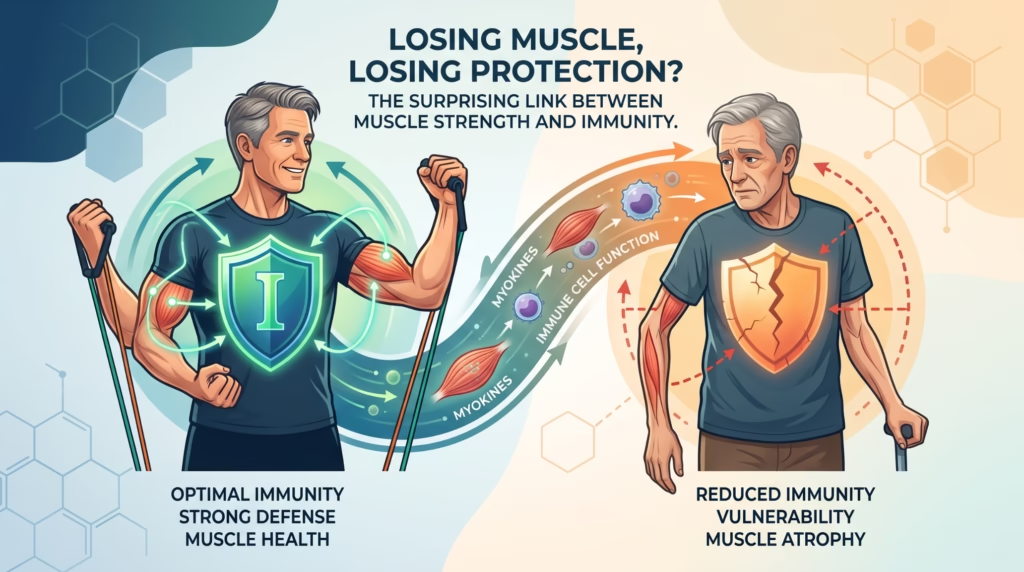
Losing Muscle, Losing Protection? The Surprising Link Between Muscle Strength and Immunity
When most people think of the immune system, they picture white blood cells, lymph nodes,…
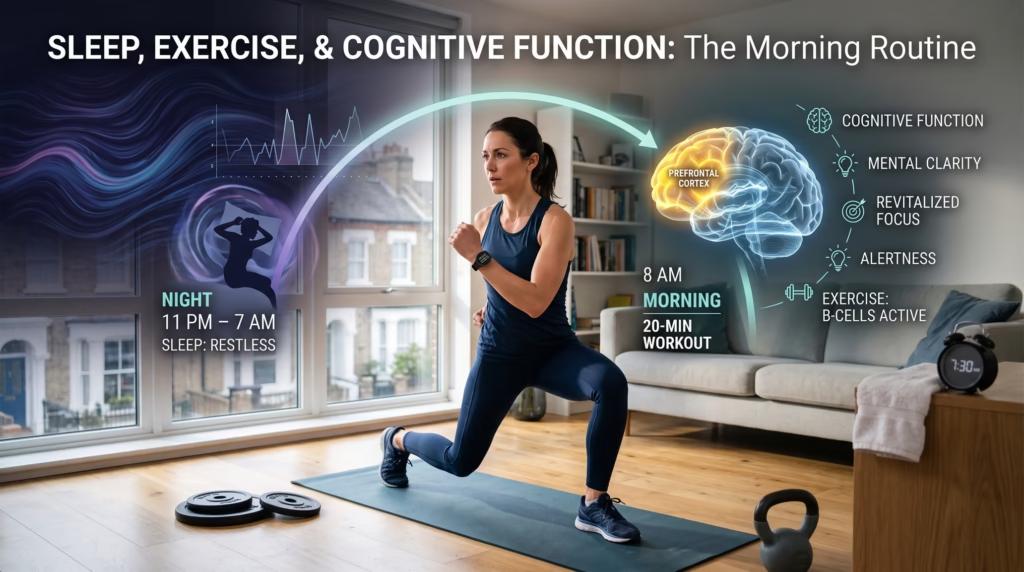
Sleep Better, Think Better: Can a 20-Minute Workout Undo a Sleepless Night?
Waking up after a sleepless night of tossing and turning feels like trying to operate…
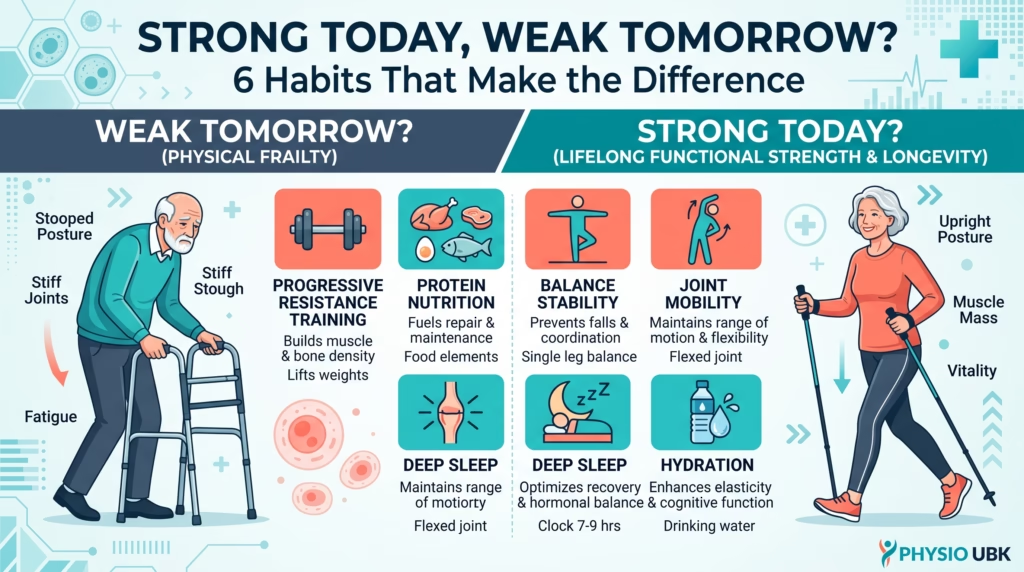
Strong Today, Weak Tomorrow? 6 Habits That Make the Difference
Physical strength often feels permanent when we have it. When you can effortlessly carry heavy…

The 5 Best Deep Core Exercises for Chronic Lower Back Pain
Lower back pain is the leading cause of disability worldwide. Millions of people wake up…
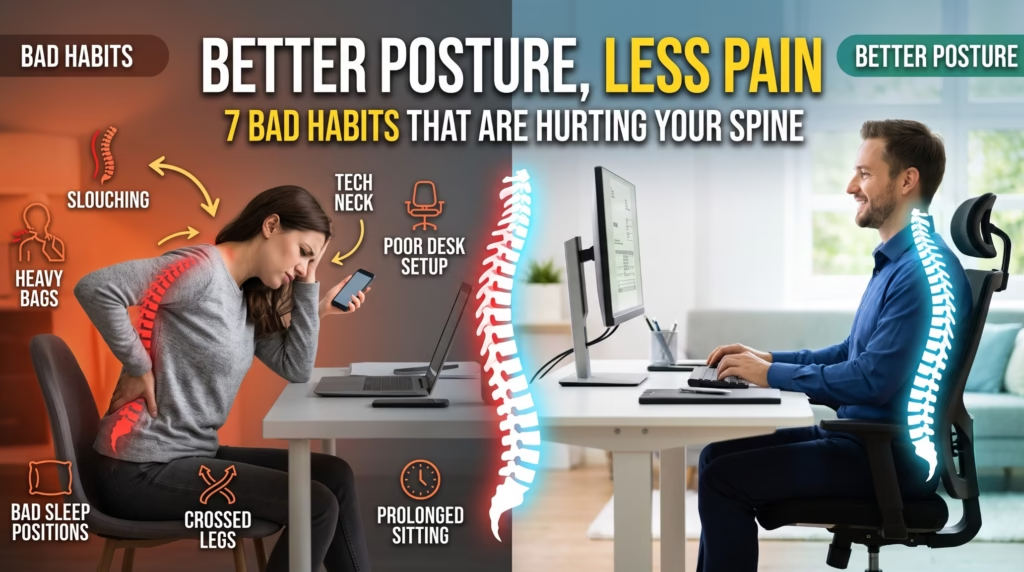
Better Posture, Less Pain: 7 Bad Habits That Are Hurting Your Spine
In our modern world, back and neck pain have become almost universal human experiences. We…
This is a very informative and well-written article. I appreciate how burnout is explained in a simple, practical way, making it easier to recognize the warning signs before they become overwhelming. The distinction between burnout and everyday stress was especially helpful. The actionable tips at the end make this more than just an educational post, they provide readers with realistic steps to start feeling better. Thank you for sharing such valuable insights on an issue that affects so many people today.