

Every morning, millions of people sling a heavy bag over one shoulder and head out the door. Students carry overloaded backpacks stuffed with textbooks, laptops, and water bottles. College-goers carry heavy totes, while commuters and office workers lug tech backpacks packed with laptops, chargers, lunch boxes, and gym gear.
While carrying a bag seems harmless, doing it incorrectly day after day places immense stress on your musculoskeletal system. Over time, an overloaded or ill-fitting bag alters your posture, strains your neck and shoulders, compresses your spinal discs, and leads to chronic back pain i.e., backpack pain.
Understanding how heavy backpacks impact your spine and adopting simple, practical ergonomic fixes can help you stay pain-free whether you are heading to class or commuting to the office.
The Biomechanics of Carrying a Heavy Load
To understand why your back aches after carrying a bag, it helps to look at basic spinal alignment.
Your spine has three natural curves: an inward curve at the neck (cervical curve), an outward curve at the upper back (thoracic curve), and an inward curve at the lower back (lumbar curve). When your posture is aligned, these natural curves evenly distribute your body weight and absorb shock as you walk.
When you put on a heavy backpack, that balance shifts:
- Center of Gravity Shift: The extra weight pulls your torso backward. To keep from falling over, your body compensates by leaning forward at the hips or rounding the upper back.
- Forward Head Posture: As your upper body leans forward, your head projects toward the front to maintain your line of sight. For every inch your head moves forward, it adds roughly 10 pounds of extra strain on your neck and upper back muscles.
- Spinal Compression: Heavy loads squeeze the intervertebral discs, the shock-absorbing pads between your vertebrae. Over time, this compression leads to muscle fatigue, stiffness, and early wear and tear.
How Heavy Bags Affect Different Group Demographics
Backpack and bag strain isn’t exclusive to one age group. How you carry your belongings affects your body at every stage of life.
1. Schoolchildren and Teens
Young bodies are still developing. Carrying a bag that exceeds 10% to 15% of a child’s body weight can lead to temporary spinal distortion, muscle fatigue, and poor postural habits that persist into adulthood.
2. College Students & Young Adults
College life often involves walking long distances across campus with laptops, heavy textbooks, and personal items. Using trendy one-shoulder bags, tote bags, or loose single-strap backpacks causes uneven weight distribution, pulling the spine to one side.
3. Office Workers & Daily Commuters
Modern professionals face unique ergonomic challenges. A typical tech backpack contains a laptop, tablet, power banks, documents, and personal gear. Combining a heavy bag with long hours of sitting at a desk creates a double blow: rigid desk posture followed by dynamic spinal compression during the commute.
Common Injuries Associated with Heavy Backpacks
Carrying too much weight incorrectly doesn’t just cause temporary soreness. It can lead to persistent musculoskeletal conditions, including:
- Muscle Strain and Spasms: Overworked back and shoulder muscles remain in a constant state of contraction, causing painful spasms, tightness, and trigger points.
- Shoulder Pinched Nerves (Brachial Plexus Strain): Tight, heavy straps press down directly on the nerves and blood vessels passing through your shoulders. This can lead to tingling, numbness, or weakness in your hands and fingers.
- Cervicogenic Headaches: Strain in the upper trapezius and neck muscles often radiates upward, triggering tension headaches that start at the base of the skull.
- Lower Back Strain & Disc Stress: Constant forward leaning flattens the natural lumbar curve, putting excess pressure on the lower back discs and soft tissues.
Signs Your Bag Is Too Heavy (or Worn Incorrectly)
How do you know if your bag is causing you discomfort? Watch for these red flags:
- You have to lean forward significantly to balance the weight of the bag.
- You notice deep strap marks or red indentations on your shoulders after taking off your bag.
- You experience numbness, tingling, or “pins and needles” in your arms or hands while walking.
- You regularly suffer from shoulder tightness, upper back stiffness, or lower back aches at the end of the day.
- You raise or hike one shoulder higher than the other when carrying a bag or purse.
Practical Solutions for a Healthier Spine
Preventing backpack pain doesn’t mean you have to stop carrying your essentials. Small adjustments to your routine, loading technique, and bag choices make a huge difference.
1. Follow the 10% Rule
Keep your total bag weight under 10% to 15% of your ideal body weight. If you weigh 150 lbs (68 kg), your loaded bag should ideally weigh no more than 15 lbs (6.8 kg).
2. Pack Smart (Weight Distribution)
- Place the heaviest items (laptops, thick books) closest to your back and centered.
- Use compartment pockets to keep smaller items from shifting around.
- Leave non-essential items at home or in your desk/locker.
3. Wear Both Straps
Always use both shoulder straps. Carrying a bag on one shoulder causes your spine to curve sideways to compensate, straining muscles on one side of your body.
4. Adjust the Straps Properly
Adjust the shoulder straps so the bag fits snugly against your back. The bottom of the backpack should sit at or just above your waistline, never hanging more than 4 inches below your belt line.
5. Look for Ergonomic Bag Features
When buying a new bag or backpack, look for:
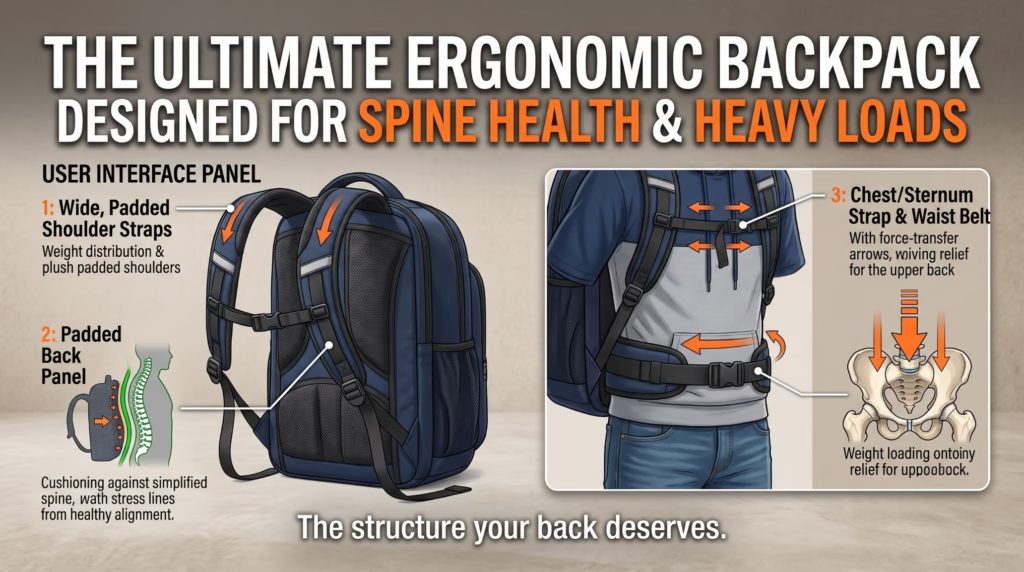
- Wide, Padded Shoulder Straps: Distribute weight evenly across the shoulders.
- Padded Back Panel: Protects your spine from hard edges.
- Chest/Sternum Strap & Waist Belt: Transfers heavy loads off your upper back and down onto your pelvis and hips.
Simple Exercises to Relieve Backpack Tension
Incorporating a few targeted stretches into your daily routine can reverse the effects of carrying a heavy load:

Doorway Chest Stretch: Stand in a doorway, place your forearms on the doorframe at a 90-degree angle, and gently step forward until you feel a comfortable stretch across your chest and shoulders. Hold for 20–30 seconds.

Chin Tucks: Sit or stand up straight. Looking straight ahead, gently draw your head back as if making a subtle double chin. Hold for 3–5 seconds and release. Repeat 10 times to relieve neck strain.
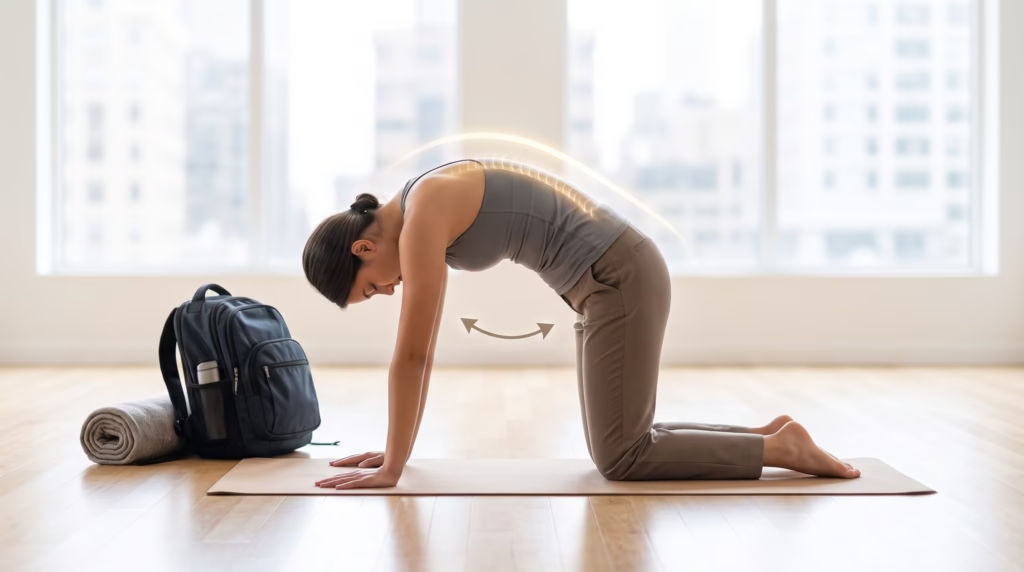
Cat-Cow Stretch: On hands and knees, arch your back upward toward the ceiling (Cat), then drop your belly toward the floor while lifting your head and chest (Cow). Perform 10 fluid repetitions to restore mobility to your spine.
Final Thoughts
Your spine carries you through life, so take care of what you carry on your spine. By auditing what’s inside your bag, wearing both straps, and adjusting the fit, you can dramatically reduce strain, improve your posture, and prevent chronic back pain before it starts.
About the PhysioUBK Editorial Team:
This recovery guide was curated by the PhysioUBK editorial team, under the supervision of Dr Usman Barkat PT. Physioubk.com is a leading digital voice in physical medicine, dedicated to translating sports recovery science, biomechanics, and structural physical health profiles into actionable guides for an international audience. For deep-dive clinical advice or to find advanced care options at Tariq Medicare Khanewal, stay connected to our updated medical platform.
Book Appointment and consult online with our worthy Dr Usman Barkat PT.
Losing Muscle, Losing Protection? The Surprising Link Between Muscle Strength and Immunity
When most people think of the immune system, they picture white blood cells, lymph nodes,…
Sleep Better, Think Better: Can a 20-Minute Workout Undo a Sleepless Night?
Waking up after a sleepless night of tossing and turning feels like trying to operate…
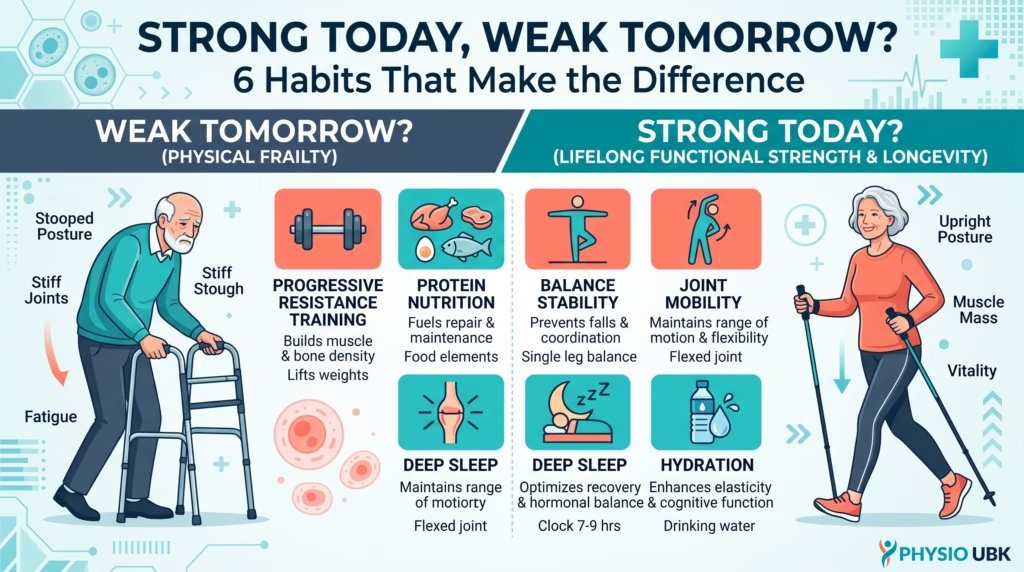
Strong Today, Weak Tomorrow? 6 Habits That Make the Difference
Physical strength often feels permanent when we have it. When you can effortlessly carry heavy…

The 5 Best Deep Core Exercises for Chronic Lower Back Pain
Lower back pain is the leading cause of disability worldwide. Millions of people wake up…
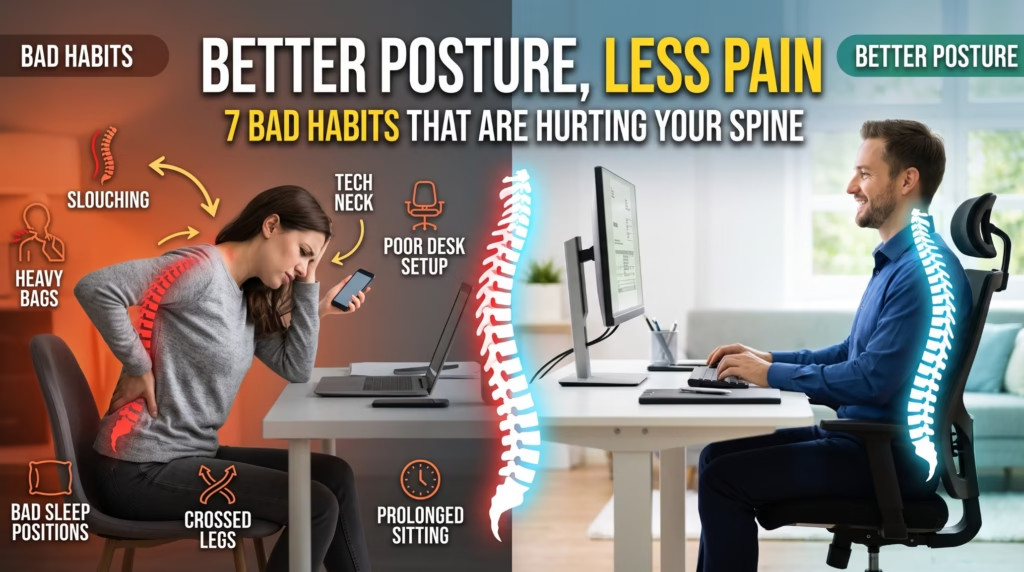
Better Posture, Less Pain: 7 Bad Habits That Are Hurting Your Spine
In our modern world, back and neck pain have become almost universal human experiences. We…

GLP-1 Weight-Loss Drugs: What They Mean for Muscle Health
The landscape of metabolic medicine and weight management has undergone a historic transformation. Medications like…